buybuycart.com

BuyBuyCart Admin

market research is important

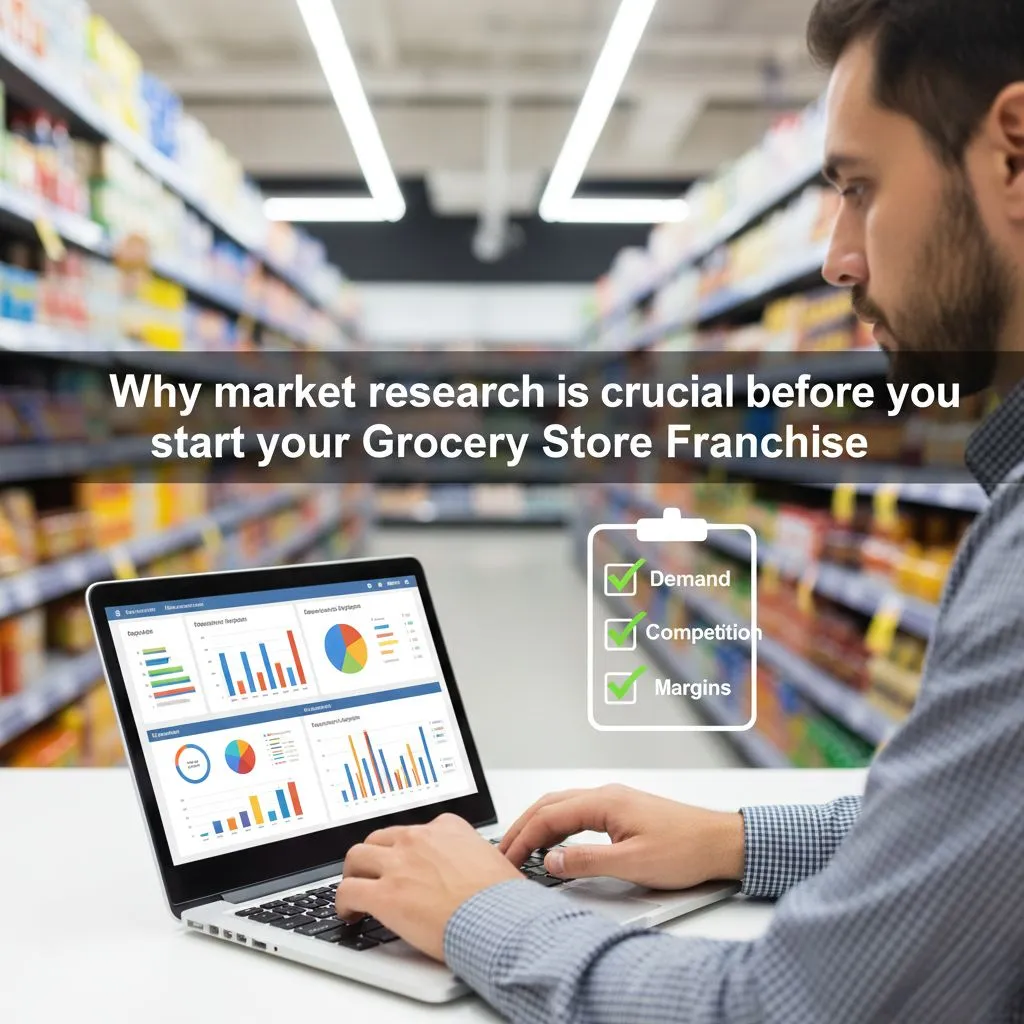
Why Market Research is Important Before Opening your Grocery Franchise?

Are you considering opening a supermarket franchise? This is a good business opportunity with high profit potential. Success is not guaranteed. The first thing you need to do is conduct a thorough market study. You can use market research to better understand your customers, your competitors, and your overall economic environment. You can use this knowledge to make smarter decisions and avoid costly mistakes. This guide will tell you why it is important to conduct market research before opening a franchise for a food store in India. It also explains what to do to start a business that succeeds. Why Market Research is Important for Grocery Franchise You should gather information and research the market before investing in a franchise. It is the best way to build a profitable business. This is how it works: Know the Competition. Market research will show you just how many grocery stores there are in your area. You can then determine if your market has too many competitors or whether there is room for you to differentiate yourself. Trend Identifier: This tool helps you identify the newest trends in the food industry. For example, the increasing demand for plant-based or organic products. You can stock products that your customers want. Please get to know your customers: By knowing what they need and want, you can better serve them. You can use this information to offer your customers the best products and services. This will lead to increased sales and loyalty. Better Decisions: By having the correct information, you will be able to make better decisions in regards to everything from pricing and location. The Key Factors to Consider When Researching a Grocery Franchise Focus your research to build a strong foundation for your supermarket franchise. 1. Understanding Your Target Market Knowing your target market is the most crucial part of any research. Demographics of your customers: Take a look at the people in your region. How much do they earn? What is their income level? Analysis of Shopping Behavior: Identify what, where, and when people shop for groceries. Are they more likely to make quick shopping trips, or do you prefer big weekly purchases? Do they have a preference for certain items, such as gluten-free products or vegan alternatives? Stocking the correct products is easier when you understand their habits. 2. Analysis of your competitors You won\’t have the only grocery store in your town. It\’s important to understand your competition. Identify competitors: List direct competitors, such as other grocery stores (and local markets), and indirect competitors. Assess Strengths and Weaknesses: Learn what your competitors are doing well, and how they can improve. It can help you identify gaps in the marketplace that your franchise could fill. This will give you an advantage. 3. Selecting the Best Location Location is a major factor in the success of a grocery franchise. Analysis of Location: Analyze potential locations by examining foot traffic, parking, and accessibility. Customers will be more likely to buy from a location that is visible and accessible. Regulations Locales: Understand the local regulations before signing a contract. This includes health and safety laws and requirements for business licenses. You will avoid any legal problems down the line. Also Read: How to Handle Supply Chain Issues In Supermarket Franchise 4. Set Your Pricing Strategy Your business\’s success or failure can be determined by your pricing. Know Market Prices: Check what other companies charge for products similar to yours. You can then set prices that are competitive and still leave a profit. Price Sensitivity of Consumers: What is the average price that customers are willing to pay in your region? You should be able to tell from your research whether consumers are more concerned with low prices or if they prefer quality and convenience. 5. Choose Your Product It is important to choose the best products for your business in order to attract and retain customers. Select the right product mix: The products you choose should be in line with your market\’s needs. Mix essentials with specialty products to attract a wider customer base. Locate Reliable Suppliers. Look for suppliers that can consistently deliver high-quality goods at an affordable price. A key to long-term business success is building strong relationships with trusted suppliers. 6. Plan Your Marketing You need to have a marketing plan in place for your new franchise. Marketing channels that work: Your research will show you the most effective ways to reach out to your target audience. You can reach your audience through local newspapers, social media, or events in the community. Develop a unique value proposition: Why is your supermarket franchise different? Make sure you clearly communicate what makes your grocery franchise different from others. Building Your Success through Research A grocery franchise can be a lucrative venture. But its success begins with thorough market research. Understanding your market, customers, and competitors will help you build a sustainable and profitable business. What is your opinion of the most crucial factor that should be researched before starting up a new business? Comment below and share your ideas!

Why Market Research is Important Before Opening your Grocery Franchise? Read More »

how to handle supply chain issues in supermarket franchise

How to Handle Supply Chain Issues In Supermarket Franchise

A supermarket franchise can be a rewarding but complex venture. The supply chain is one of many factors that affect success. It is important that the supply chain works smoothly so products can flow from your suppliers directly to your shelves. This keeps customers satisfied. This flow can be disrupted by issues such as material shortages and port congestion. The article explores common challenges that a franchised supermarket faces in the supply chain and offers practical solutions to these problems. Understanding these challenges and finding effective solutions will help you reduce costs and boost efficiency while providing a positive shopping experience to your customers. Understand the Supply Chain of Supermarkets It\’s crucial to know how a franchised supermarket works before you can fix any problems. The supply chain is a complex network of resources and people that gets products from the source to a customer\’s cart. Key players include: Sources of raw materials: These are the people or businesses that provide products with their raw materials, such as farmers who grow produce and companies that make packaging. Producers/Manufacturers: They take the raw materials and create the finished goods you sell, like a company that bakes bread or bottles milk. Distribution: This is the team of logistics professionals who deliver products to franchise stores or warehouses from their manufacturers. Franchisees (Your Franchise): As the last link of the chain, you are responsible for storing, displaying, and selling products to the customers. Customer: End-users, who are the ones driving demand throughout the supply chain. Your supermarket\’s franchise could be seriously affected if there is a breakdown in any part of the chain. The Impact of Common Supply Chain Problems Each supermarket will have to deal with supply chain challenges. The first step to finding solutions is to recognize them. Materials and labor Shortages Raw materials are sometimes in short supply. It could be because of a poor harvest, natural disasters, or an increased demand. A shortage of employees at factories, farms, or distribution centers could also slow the process. This results in an empty shelf and unhappy customers for your franchise supermarket. High Rates of Return Returns are made when products arrive damaged or do not meet the quality standard. Return rates are high, which means lost revenues and extra logistical tasks to deal with the goods. This can also indicate a problem that may exist with the supplier or distributor. Transport and Logistical Constraints Transport delays are an everyday problem. A shortage of drivers and port congestion could mean that your products are sitting in a warehouse for several weeks. The delays can create confusion and hinder the management of inventory. Strategies for Managing Supply Chain Issues Supply chain management, if done well, can assist your franchise in navigating these difficulties. Consider these strategies. Also Read: Grocery Store Franchise: A Complete Guide to Daily Operations 1. Diversify Your Suppliers It is dangerous to rely on one supplier for an important product. Your supply will be cut off if that supplier is having problems. Build relationships with several suppliers of your key products. You\’ll have a backup option in case one of your suppliers is unable to deliver. This will make your supply chain resilient. To create a network that is balanced, look for national and local vendors. 2. Enhance Communication and Collaboration It is important to maintain a constant and clear communication with your partners in the supply chain. Regularly meet with suppliers and distributors in order to review forecasts, challenges, and performances. Shared technology platforms provide you with real-time insight into your inventory and shipping status, so that you can react to disruptions quickly. 3. Improve Inventory Management The technology can be an ally. Inventory management software can help you track data on sales and better forecast demand. You can avoid both overstocking and understocking, which will lead to loss of sales. A good system will ensure that you always have enough product on hand at the correct time. 4. Transport and Logistics Optimization Working closely with your logistics partners, find the best routes for transportation. Consider comparing different transport options, such as a combination of rail and trucking, to determine which is the most reliable and cost-effective. The cost of transportation and carbon footprint can be reduced by consolidating your shipments. Making your Supermarket Franchise Stronger The supply chain is an inevitable part of operating a franchise supermarket, but it doesn\’t need to be the main focus. Understanding the parts of your supply chain, identifying problems, and using smart strategies will help you build an efficient and robust operation. Strong supply chains lead to reduced costs, happy customers, and an improved bottom line. This will help your franchise achieve long-term success and growth.

How to Handle Supply Chain Issues In Supermarket Franchise Read More »

grocery store franchise a complete guide to daily operations

Grocery Store Franchise: A Complete Guide to Daily Operations

In India, opening a franchise for a supermarket requires much more than paperwork and investment. Once you start serving customers, the real challenges begin. Your success depends on your ability to manage the daily operations of your business, including inventory management and customer service. To run a successful grocery franchise, you must master eight areas that have a direct impact on your bottom line. These operations can create happy customers, lower costs, and help you build your brand in the community when managed well. This guide outlines the daily activities that make a grocery store successful or not. These strategies can help maximise your profitability and satisfy customers, whether you are considering or operating a grocery franchise in India. How to manage your grocery store inventory: the foundation of success Successful grocery stores are built on effective inventory management. Inventory control problems can lead to empty shelves and spoiled goods, as well as frustrated customers. Inventory tasks for daily inventory include tracking items that move quickly, identifying products that are slow-moving, and checking expiration dates. To maintain accurate inventory levels, smart grocery store owners combine manual counting, barcode scanning, and newer systems such as RFID technology. First-in, first-out (FIFO) is a method that\’s crucial for perishables. Rotate your stock to ensure older items sell first, and newer products are sold last. The simple act of rotating stock will reduce spoilage and increase your profits. Modern inventory management systems can alert you in real time if your stock is low and produce reports that show sales trends. These data help you to make better purchasing decisions and prevent both overordering and stockouts. Build Your Grocery Store Staff with Effective Staff Management Employees directly impact customer satisfaction and efficiency. Staff who are well-trained and motivated can manage busy times smoothly, while teams with poor management create chaos. Training should include product information, skills in customer service, and correct procedures. Workshops help employees stay up to date on the latest products and policies, while also building cohesion. Make sure you have a clear plan to ensure that there is adequate staffing during the peak times. Insufficient staffing is a major problem for many grocery stores during peak morning and evening hours. Recognise and reward outstanding performance. Employees who are happy provide better service to customers and remain longer. This reduces costly turnover. Also Read: Grocery Store Franchises in India: Hypermarket or Supermarket? Billing and Technology Operations in Your Grocery Store Modern Point of Sale systems (POS) streamline business transactions while providing valuable insights. They can handle the multiple payment options that customers today expect, including cards, cash and digital wallets. The scanning of barcodes speeds checkout while updating the inventory automatically. This integration reduces errors by eliminating manual input and displays accurate information about stock levels in real time. You should be able to generate reports that show sales trends and the most popular items. This data can be used to adjust staffing levels, plan promotions, and adjust inventory. Regular system maintenance prevents technical issues during busy periods. To avoid checkout delays, train multiple staff on common issues. Customer Service Excellence at Grocery Stores Your grocery store\’s exceptional customer service will set it apart from the competition. The convenience of the store, knowledge about products, and quick resolution to problems are what customers value most. Staff should be trained to help new customers find products and remember their preferences. Customers return to businesses that offer competitive prices because they receive personal attention. Use customer loyalty programs to offer birthday discounts, reward points, and special offers. The programs provide information about the shopping habits of customers and increase their lifetime value. Handle complaints professionally and quickly. An issue that is resolved well can create more loyalty from a client than one who has never had a problem. Clean and maintain your grocery store Cleaning directly affects customer perceptions and safety. Cleanliness is important to attract customers. A dirty grocery store will drive them away, regardless of price or choice. Set up daily cleaning schedules in high traffic areas, such as aisles, entryways, counters and checkouts. Shop cart handles and other surfaces that customers frequently touch should be given special attention. Equipment maintenance is essential to ensure food safety and prevent costly failures. To identify problems as early as possible, check refrigeration systems, air conditioners, and checkout systems every day. Customers expect improved sanitisation procedures after a pandemic. Hand sanitisers are a must, as is maintaining clean bathrooms and ensuring visible cleaning throughout the day. Grocery Store Success: Financial Reporting and Tracking Financial tracking gives you a clear picture of your store\’s performance and can help identify areas for improvement. Important business decisions are guided by daily sales reports, tracking expenses, and profit analyses. Keep track of key metrics, such as daily sales, transaction values and turnover rates. Comparing these figures to the previous period will help you identify seasonal trends. Keep detailed records for all expenditures, including utility bills, employee wages and payments to suppliers. These records are essential to ensuring tax compliance as well as identifying opportunities for cost reduction. Identify your best-selling products and optimise pricing using financial data. Prioritise high-margin products for marketing and shelf space. Smooth Grocery Store Operations: Vendor coordination A strong vendor relationship ensures timely deliveries of high-quality products at affordable prices. Stockouts, poor quality, and customer dissatisfaction of customers are all the result of bad vendor management. Dedicate staff to receive deliveries, inspect invoices and check product quality. Standardise the procedures used for receiving and reporting damaged items. Avoid disruptions by building relationships with several suppliers of critical products. When your primary supplier is unable to deliver, having backup suppliers will protect you. Maintain good relations with suppliers by negotiating payment terms to support your cash flow. Most suppliers will offer you discounts for paying promptly or ordering in bulk. Market Your Grocery Shop with Marketing Activities Marketing that works attracts and retains customers effective. Marketing for grocery stores that is successful combines both traditional and digital marketing strategies. Spending increases around holidays like Diwali and Holi, as well as Christmas and Eid, can be used to plan special promotions. Promote these events with eye-catching banners on social media. Use loyalty

Grocery Store Franchise: A Complete Guide to Daily Operations Read More »

hypermarket or supermarket

Grocery Store Franchises in India: Hypermarket or Supermarket?

Supermarkets and hypermarkets come to mind when you are thinking about where to shop for daily necessities. They both offer an extensive selection, affordable prices, and a convenient experience. While they may seem the same, they\’re actually quite different. Understanding these differences will be crucial to anyone who wants to open a supermarket franchise in India. These differences are mainly based on their sizes, product variety, location, and overall shopping experience. Knowing these differences will help customers choose the best place to shop for their needs. This knowledge is especially important for aspiring entrepreneurs who are planning to enter India\’s retail market. The choice you make between a superstore and a hypermarket will determine your entire business strategy, starting with the initial investment, all the way to day-to-day operations. The key differences between a supermarket and a hypermarket will be explained in this guide to assist you with making an informed choice. What Is a Supermarket The supermarkets are medium-sized stores that sell a variety of household and food products. Imagine it as a friendly, neighborhood shop that is designed to make shopping quick and simple. Most supermarkets are located near residential areas. This makes them easy to reach for shoppers who need their essentials every day. A supermarket is primarily focused on the convenience of its customers. The supermarkets stock everything, from fruits, vegetables, meats, dairy, to cleaning products and personal care. It is laid out to make it easy for shoppers to find the items they are looking for. The supermarket is a good choice for anyone interested in a franchise. It\’s a low-cost option and can serve the local community well. What is a hypermarket? Hypermarkets are massive retail stores that combine a grocery store and a department store all under one roof. They are much larger than regular supermarkets, and they offer a wide range of goods that go beyond the usual groceries. You can buy everything in a hypermarket: from furniture and clothes to sports goods, garden supplies, and electronics. They are usually located in the suburbs, where they have enough room to park and accommodate their huge footprint. The hypermarkets are designed as a destination for all your shopping requirements in one trip. The investment required to open a hypermarket-style grocery store in India may be higher, but the sales potential is greater. The Differences Between Supermarkets and Hypermarkets Anyone planning to start a franchise grocery store in India should be aware of the differences between these formats. 1. Dimensions Supermarket: This is a medium-sized store, which usually ranges from 1,000 square feet to 5,000. They are optimized to serve a neighborhood. Supermarket: They are huge, with an average size of over 20,000 square feet. They can carry an enormous inventory of products in many categories due to their sheer size. 2. Product range The selection of products is mainly groceries, household essentials, and fresh produce. This is a large selection within the categories, but not much more. Supermarket: Has a wider range of goods. You\’ll also find home and office goods, electronics, clothing, and apparel in addition to a full grocery section. You can purchase a milk carton and a television all in one visit. 3. Location and accessibility Located strategically in or near residential areas to maximize convenience. It is important to become the store of choice for small, frequent shopping trips. Supermarket: These are usually located in suburbs or city outskirts where the land is more affordable and plentiful. These are stores where customers make trips, and often not very frequently. 4. Customers\’ Shopping Purpose Customers come to the supermarket for regular shopping and daily or weekly essentials. Shopping is quick and convenient. Hypermarket People shop at hypermarkets to buy in bulk and for one-stop convenience. The shoppers are more willing to browse and explore the variety of products available. 5. Investing and Operating Costs A Supermarket Generally, a franchise for a supermarket requires less initial capital in the form of inventory and real estate. The Hypermarket is a large-scale store with a lot of inventory and requires specialized staff to run it. Also Read: What are the Grocery Supermarket Trends in 2025: How Technology Involving? What are your next steps in retail? One of the biggest decisions to make is whether you want a Hypermarket or a Supermarket when opening a franchise for grocery stores in India. The decision you make will be based on budget, audience, and goals. If you are looking to build up a customer base and serve the local community, a supermarket can be a great option. A hypermarket is the best option if you are able to invest a lot of money and wish to build a one-stop shop for large-scale shopping. The Indian market has proven both models to be very successful. It is important to do thorough research on the market, identify the needs of potential clients, and create a business plan aligned with your chosen retail format. You can create a profitable and thriving retail business by carefully evaluating these factors.

Grocery Store Franchises in India: Hypermarket or Supermarket? Read More »

supermarket trends in 2025

What are the Grocery Supermarket Trends in 2025: How Technology Involving?

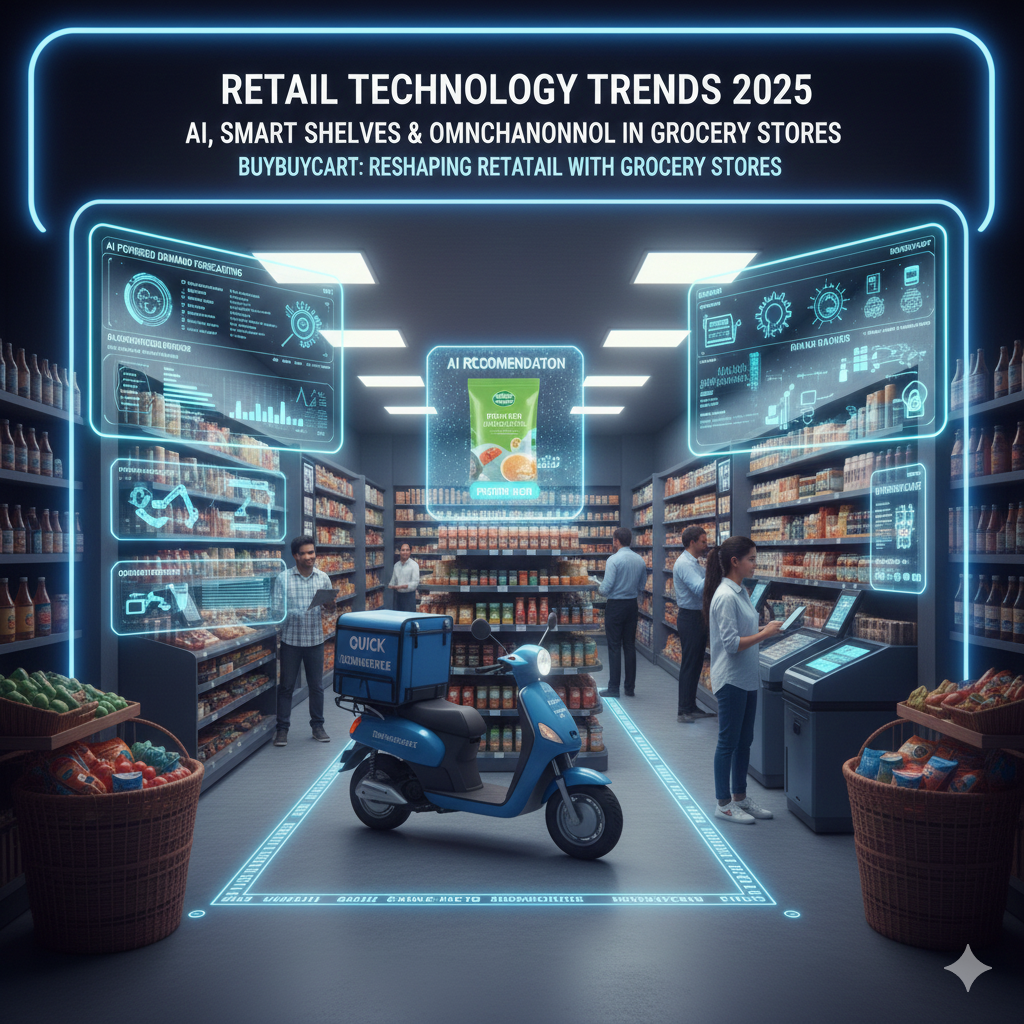
Grocery retail is undergoing unprecedented changes. Technological advances, changing consumer tastes, and increased health awareness are all affecting how franchises run and service customers. Understanding these trends will help owners and entrepreneurs who are considering opening a supermarket franchise to remain competitive. The changes in the grocery industry are not just superficial. They represent fundamental changes to how people shop, value food, and interact with retailers. Franchisees who adapt to the new trends are likely to thrive. Those who do not will struggle to remain relevant in a market where competition is increasing. Technology Integration Improves the Customer Experience Franchise operations of grocery stores are increasingly adopting digital solutions to bridge the gap between online and offline shopping. Sensor-equipped smart shelving systems track stock levels in real time, triggering automatic restocking notifications and preventing empty shelves. The technological improvements reduce operating costs and ensure customer satisfaction. Artificial intelligence revolutionizes how franchises serve and understand their customers. AI-powered systems that analyze past purchases to recommend products create personalized shopping experiences, increasing basket sizes and customer loyalty. The self-checkout system has evolved from basic scanning to include weight verification, product recognition, and mobile payments. Apps for mobile devices have been proven to be essential in the success of modern supermarket franchises. Customer expects features such as digital shopping lists and store navigation maps. They also want real-time updates on product availability. They also allow for targeted promotional campaigns based on customer shopping habits, which increases sales and engagement. Integrating Online and Offline Media Digital and physical grocery stores are increasingly blurring. The most successful grocery store models offer customers seamless omnichannel shopping experiences. Customers can start their journey in the online world and finish it at the physical location, or vice versa. The click-and-collect service is now a standard feature, not a premium. Online grocery shopping allows customers to order and collect their groceries at a designated time, saving them valuable time. The service has been particularly popular with busy professionals and families. The home delivery service is expanding outside of urban areas into rural and suburban markets. To meet the growing demand of doorstep convenience, grocery store franchisees are developing their own delivery services or partnering up with third-party platforms. Health-Conscious Products Drive the Market The growing awareness of consumers about nutrition and health is changing the product offerings in franchised grocery stores. Many stores dedicate entire aisles to natural and organic goods. The shift is a reflection of the growing willingness of consumers to pay higher prices in exchange for perceived benefits. The shelf space devoted to plant-based products is increasing. These products, which range from meat alternatives to dairy substitutes, appeal to environmentally conscious shoppers, health-conscious customers, and vegetarians. When grocery store owners stock a variety of plant-based products, they often experience higher profits and customer retention. Local sourcing is now a major competitive advantage. Locally grown products and specialty regional items are increasingly popular with customers. The trend helps local economies while also reducing the environmental impact and transportation costs for franchised grocery stores. Data Analytics for Personalization The success of modern grocery store franchises is heavily dependent on data-driven decisions. Point-of-sale systems capture customer behaviour patterns to enable personalized campaigns and optimize inventory. These programs are now sophisticated tools for managing customer relationships. These programs offer more than just discount coupons. They also provide personalized coupons, access to early sales, and rewards that are based on the individual\’s shopping preferences. These data help grocery franchise owners to predict demand and optimise product placement. Dynamic pricing is becoming increasingly common. Franchises that use real-time analysis can change prices in response to demand, seasonality, and competitors\’ pricing, while still maintaining profits. Sustainable Practices Attract Conscious Consumers The environmental consciousness of consumers is impacting the operations of grocery stores in multiple ways. The use of reusable bags and the ban on plastic bags reflect shifting consumer expectations regarding environmental responsibility. While reducing operational costs, energy-efficient refrigerators and LED lighting appeal to customers who are environmentally aware. Solar panels are being installed at many grocery franchises to demonstrate sustainability. Initiatives to reduce waste are becoming more popular. Some franchises offer bulk bins of dry goods, programs for refillable containers, and partnerships to reduce food waste with local charities or composting plants. Also Read: What is the best way to market your Grocery Store Franchise in India? Look Ahead and Prepare for Success As consumer demands and technological advances continue to evolve, the grocery franchise industry is expected to change. Successful franchise owners must be able to adapt and invest in technology, staff training, and improvements to the customer experience. According to market research, convenience, value, and quality will continue to be the main drivers for customer loyalty. Market share will be captured by grocery store franchises that deliver consistently on these three key pillars, while also embracing technology innovation. Franchisees should view these trends as opportunities for investment, not operational challenges. Every trend offers a way to stand out from the competition, gain new customers, and strengthen relationships with current ones. Grocery store owners who see change as an opportunity will be the future\’s leaders. Franchisees who invest in technology and prioritize customer satisfaction can create profitable, sustainable businesses while serving their local communities.

What are the Grocery Supermarket Trends in 2025: How Technology Involving? Read More »

grocery store franchise in india

What is the best way to market your Grocery Store Franchise in India?

A grocery franchise is an excellent investment in India, as you will be able to tap into a market with a value of over Rs 31 trillion. Owning a franchise is just the beginning. You need to have a marketing strategy that will attract loyal customers if you want your business to succeed. This guide provides simple but effective marketing strategies that will help you grow your Indian grocery franchise. Building a strong foundation with your brand You need to know what makes your shop unique before you market it. Branding is about more than a logo. It\’s an experience. Humanize Your Brand Faceless corporations are not as appealing to people. Tell the tale of your business. Share your employees\’ dedication to service on social media. By showing the human face of your company, you can build trust with your customers and create a connection. Customers will feel as if they\’re shopping with their friends. Concentrate on Expertise and Trust Demonstrate to your clients that you can be trusted for all their needs. Make sure your shop is well organized, clean, and filled with quality products. Your staff should be well-versed in the products that you sell. Customers will prefer your store if they trust you. It is important to market your Indian grocery franchise effectively. The Customer Experience is Prioritized Your most effective marketing tool is a great customer experience in your store. Happy customers will return and refer their friends. Create a Welcoming Environment Make your shop easy to find. Keep the aisles wide and the signs clear. Also, ensure that the store layout is logical. Shopping in a clean, bright, and well-lit store is more enjoyable. Urban families are likely to spend the majority of their earnings on food, and they prefer convenient shopping. Service Exceptional A helpful and friendly staff can make a normal shopping experience into an enjoyable one. Encourage staff to smile, greet, assist, and answer questions with a friendly attitude. It is easy but very effective to build your customer base and market your Indian grocery franchise by providing excellent service. Increase your Reach with Digital Marketing Digital marketing is important for any business. You can connect to new clients and keep in touch with your existing customers. Target Relevant Keywords You want to be found when people look up \”grocery stores near me\” and \”best deals on groceries in town\”. Your website, Google Business Profile, and other online content should include local keywords. Use phrases such as \”grocery franchise in delhi\”, for example, to draw local search traffic. Encourage Engagement on Social Media Engage your audience on social media sites like Facebook or Instagram. Update your community with new product updates, store events, and special offers. Ask questions or run contests to get people talking and sharing. The interaction will keep your store at the forefront of your customers\’ minds and build a brand community. Also Read: Grocery Store Franchises in India: Local Sourcing Builds Trust Connect with Your Community Joining your community in India can help your franchise grow. Encourage customer interaction You can ask for feedback by using surveys or comment cards. React to online reviews, positive or negative. It is important to show that you care about customer feedback. Customers are more likely to become brand advocates when they feel that their opinions have been heard. Get Local Mentions and Backlinks Join forces with bloggers in your area, local community groups, or businesses. By linking to your site or mentioning your business, they boost your online authority. They also introduce your franchise to new audiences. Sponsoring an event in your area can result in positive media coverage and backlinks. The Path to Success in Marketing It\’s not difficult to market your Indian grocery franchise effectively. You can retain customers by focusing on building your brand and providing a great customer experience. This cycle will bring more customers to your grocery store as happy clients spread the news. Implement these tips now to make sure your grocery franchise survives and thrives.

What is the best way to market your Grocery Store Franchise in India? Read More »

local sourcing builds trust

Grocery Store Franchises in India: Local Sourcing Builds Trust

When they shop at supermarkets, modern shoppers are looking for more than just convenience. Fresh produce, reasonable prices, and a sense of belonging to the local community are what they seek. Local sourcing is a winning strategy for grocery franchise owners in India. It meets all of their expectations and boosts profitability. Local sourcing is a partnership with local farmers, producers, and suppliers instead of solely relying on distribution centres located far away. The grocery franchise model is transformed by this approach, which has benefits far beyond their shelves. Why Grocery Store Owners Select Local Sourcing New Products Customers Will Notice Customers are constantly looking for new essentials, exciting products and other items that will make life easier. The grocery aisles constantly change, from eco-friendly cleaners and healthier flours to ready-to cook mixes and healthy cooking oils. The shoppers love finding new varieties of essentials such as rice, lentils and spices. They also enjoy value packs that include household staples including tea, coffee and snacks. By highlighting these products, you not only improve the customer experience but build loyalty as well by demonstrating that your shop is up-to-date with current needs and trends. Transport Costs Reduced Transporting products between states is expensive. Transport delays, fuel costs, and handling charges add up fast. These logistics costs can be significantly reduced by sourcing locally. Even if a grocery franchise purchases rice locally instead of from distant suppliers, it can save hundreds of thousands of rupees per month on transport. The savings could be transferred to the customer through competitive prices or used for store improvements. Building Community Connections Indians value community and relationships. A grocery franchise that sources local producers and farmers creates an emotional bond with customers. The customers feel good about supporting local businesses. Customers are loyal to these companies, and it\’s hard for them to replace them. Shoppers choose stores where they believe their purchases have a positive effect on the community. The Benefits of Local Sourcing Inventory Management: Benefits Smaller quantities can be delivered more often by local suppliers. The flexibility of this system allows grocery stores to maintain a fresher stock without having excessive inventory. Stores can get fresh vegetables every couple of days instead of buying a whole month of produce that could spoil. A better inventory turnover results in less wastage and better use of space. Stores can be stocked with a greater variety of items without increasing storage costs. Predictable supply chains Local providers face less disruption than networks of long-distance transportation. Distance suppliers are more affected by weather delays, fuel fluctuations, and state regulations than local suppliers. Local partnerships with a grocery franchise can improve delivery times. The reliability of the product helps to reduce costs for emergency orders, maintain consistency in products, and help franchise owners plan more effectively. Direct Negotiation Opportunities By working directly with local suppliers, you can avoid middleman markups. Franchise owners of grocery stores can negotiate exclusive agreements, better payment terms, and lower prices with local suppliers. Direct relationships can often result in cost savings between 15-25% when compared with traditional distribution channels. Implement Local Sourcing for Your Grocery Franchise You can start with high-volume products Start local sourcing by focusing on products that customers purchase frequently, such as rice, lentils, and seasonal vegetables. This high-turnover product offers the best opportunity to show quality improvements and achieve significant cost savings. Concentrate on just one or two categories of products at first. You can build relationships and expertise without overstretching your operation. Develop Supplier Relationships Personal visits to local producers, farms, and mills are a great way to build trust. You can build trust by understanding their operation and assessing quality. Local suppliers will appreciate direct relationships and work harder to meet specific needs. From the start, establish clear standards for quality, payment schedules, and delivery dates. Communication is key to preventing misunderstandings and ensuring consistent service. You can educate your customers Simple signage that highlights locally-sourced products is a great way to get the word out. Local products are often more expensive, but customers will pay a little bit extra for them if they know where the food is coming from. Social media, in-store displays, and other means of communication can be used to share stories about local suppliers. Transparency builds trust and sets your franchise apart from other grocery stores that rely on an anonymous supply chain. Also Read: Grocery Store Franchise: Top Five Reasons to Start Now Common Challenges with Solutions Quality Consistency Standardisation may not be as high-quality at local suppliers. Set clear specifications for quality and conduct regular checks on quality. Improve supplier processes slowly by working with them. Offer longer contracts to those suppliers that consistently meet your standards. The security they receive encourages them to invest in more equipment and better training. Seasonal availability Dealing with local sourcing involves seasonal restrictions. Prepare your product mix and inform customers of seasonal changes in advance. Seasonal scarcity can be used as an opportunity to market – for example, \”limited local mangoes\”, which creates excitement and urgency. Measure Success Monitor key metrics such as product turnover, customer satisfaction, and savings due to reduced transport expenses. Customer feedback on product quality and freshness is monitored. Compare the performance of your franchised grocery stores before and after local sourcing. In six months, most franchisees see an increase in their customer retention rate and profits. Growing Your Local Network Local sourcing can be a great way to expand. Local suppliers who are satisfied often refer other reliable producers. You can make your grocery franchise a partner of the local farmers. Organise local suppliers\’ meets or participate in regional trade shows. You can discover new suppliers and products by attending these events. Local sourcing is a major advantage to grocery franchisees in India. This approach is designed to address the major challenges faced by modern supermarkets. It does this by reducing costs and improving the quality of products, as well as building trust in communities. Build relationships slowly and carefully to ensure that your franchise is firmly rooted in the community.

Grocery Store Franchises in India: Local Sourcing Builds Trust Read More »

top five reasons to start now

Grocery Store Franchise: Top Five Reasons to Start Now

You may have always wanted to be your own boss, but you were unsure of where to start. Starting a new business can be challenging. The grocery store franchise, also called ration stores, is a great way to start your own business with an integrated support system. You can run your business and benefit from the brand that people know. This blob will help you find a successful business. This blog will explain the five most important reasons to invest in a franchise in grocery store. This model offers brand recognition, operational support, and a path towards profitability. What are the top 5 benefits of owning a grocery store franchise? 1. Everyone Knows The Brand Brand recognition is one of the most difficult challenges for any business. To build a brand that people trust, it takes time, Money, and marketing efforts. By joining a franchise, you can skip this step. As a franchisee, you become a part of an established brand. From the first day, people know you and your brand. Customers are more inclined to enter your store if they feel instantly trusted. 2. There is a Proven business model already in place Why start a new business after all the trials and errors? You are investing in a proven business model with a franchise. From inventory management to layout of the store and marketing, franchisors have already developed effective strategies. You can then avoid the common mistakes made when starting a business and concentrate on managing your store effectively. This gives you a roadmap that will help generate revenue faster. 3. Get All The Support You Need From Franchise It can be daunting to run a business by yourself. You are never alone when you own a franchise. You will receive ongoing training as well as comprehensive support from the beginning. Franchise team guides you in every facet of business, including how to set up your shop, manage daily operations, and handle customer service. The support system is a safety net that gives you confidence in navigating challenges and growing your business. 4. The Profit Potential is High We\’ll start with the important thing: Making Money. The franchise for grocery stores is a great way to achieve financial success. You can expect a steady stream of income if you operate under a well-known brand that has devoted customers. As groceries are a necessity, your business is likely to be in demand no matter what the economic climate. Your profits can grow over time as you build up your business in your community. Also Read: Top Reasons Why Grocery Store Franchises Are Booming in India’s Tier 2 & 3 Cities 5. You are part of a larger community Franchise ownership means that you\’re part of an extensive network of entrepreneurs. The community offers unique benefits that independent entrepreneurs do not have. This community gives you access to resources that are shared, buying power collective (which lowers your costs), and an experienced network of peers. Your business is yours, but you\’re not alone. The collaborative atmosphere encourages growth and provides you with the tools to succeed. Are you ready to be your own boss? A franchise is an excellent way to realize your business dream. The freedom to be your own boss is combined with the safety of a well-known brand and an extensive support network. A proven business model is provided, along with continuous support and a path to profitability. This could be the ideal opportunity for you if you are ready to build your own business and take charge of your finances. Why delay your start?

Grocery Store Franchise: Top Five Reasons to Start Now Read More »

booming in india’s tier 2 & tier 3 cities

Top Reasons Why Grocery Store Franchises Are Booming in India’s Tier 2 & Tier 3 Cities

In India, the grocery retail industry is undergoing a dramatic transformation. Grocery Stores Franchises in India have shifted their focus from metropolises to smaller towns and cities. This shift in strategy represents one of today\’s most important business opportunities. Organized retail is experiencing a boom, especially in Tier 2 and Tier 3 Indian cities. Entrepreneurs are finding that markets from Coimbatore up to Kanpur offer unique benefits that make these ideal locations for franchising. The rising disposable income fuels demand Indian grocery store franchises thrive in smaller towns because families can afford to buy quality goods. Economic growth has led to a rise in the middle class, who value convenience and brand goods. Contrary to metropolises where the income growth plateaued in recent years, cities of Tier 2 or Tier 3 have consistently increased salaries across all sectors. This economic boom is a result of government jobs, emerging industries, and small businesses. Organized grocery stores are popular among families earning Rs 2-6 lakhs per year. Franchise owners will benefit directly from this growing buying power. These cities are known for their large-scale purchases, which lead to higher average sales values than urban markets. Low Real Estate costs mean higher profits Affordable commercial space is one of the greatest advantages for franchises operating in India\’s smaller cities. A 1000 square foot store in Mumbai may cost between Rs 2 and 3 lakhs per year approx, but the same area in smaller cities such as Nashik or Salem is only Rs 30 to 50 thousand approx. Franchise owners can benefit from a dramatic reduction in their rental costs. Profit margins are maintained Spend more on inventory and the customer experience Get your initial investment back faster Expansion to other locations in the same city The smart entrepreneurs take advantage of this by purchasing prime locations for a fraction of the cost in metro cities. Successful franchisees started with just one outlet and have now expanded to 3-4 in the same town. Reduced competition, more market share Grocery chains saturate the metro cities. It isn\’t easy to get established in these areas. Franchises for grocery stores in India are not as competitive in Tier 2 or Tier 3 cities. In most smaller towns, traditional weekly markets and kirana shops are still the mainstay of shopping. Modern grocery chains offer a more organized experience than local competition. Franchise owners can quickly capture market share with this first-mover\’s advantage. Customers are willing to test out new brands and stores because there are fewer established retailers. The franchise owner can develop strong relationships with customers without having to compete against organized retail chains. Changing Consumer Preferences Consumers in small cities today want to enjoy the same shopping experiences as those in large metropolises. Indian grocery store franchises can meet the demand for air-conditioned shops, large aisles, and a diverse range of products. Young families, couples with children, educated shoppers, and working couples prefer one-stop shopping. The factors they value include: Freshness and quality of the product Transparent pricing Clean, organized store layouts Payment options Home delivery services Franchise businesses have a great opportunity to stand out and gain loyal customers by offering these amenities. Also Read: Grocery Stores Franchises: India\’s Next Big Business Opportunity Government Support and Infrastructure Development With the Indian government focusing on smaller cities, conditions are ideal for franchises to grow in India. Franchise operations are more profitable than ever thanks to improved roads, electricity, and payment systems. Smart Cities Mission, Digital India, and other initiatives have changed the landscape of business in cities that fall into Tier 2 or Tier 3. Internet connectivity is essential for modern POS, inventory management, and digital marketing. GST has also leveled out the field for organized retail and unorganized, giving franchises a competitive edge through transparent and compliant operations. What\’s Your Next Business Step? The Indian grocery store franchise is a business model that has a strong potential for growth in smaller towns. Combining rising incomes with lower costs, decreased competition, and changing consumer behaviour creates a perfect environment for growth. Successful franchise owners recommend that you start by conducting thorough research on the market and choosing franchise partners who have a strong supply network. It is important to move quickly, while the markets are developing and there is still limited competition. It\’s not just a trend, but the future of organised retail in India.

Top Reasons Why Grocery Store Franchises Are Booming in India’s Tier 2 & Tier 3 Cities Read More »

india's next big business opportunity

Grocery Stores Franchises: India\’s Next Big Business Opportunity

India has a culture of daily grocery shopping. Every family relies on the local store to meet their daily needs, from fresh vegetables and household necessities. In the last few years, franchises for grocery stores have been one of India\’s most lucrative and long-lasting business opportunities. This sector is growing due to changing lifestyles and the demand for quality, affordable products. This blog will explain why supermarket franchises shape the future of retailing in India and why investors are investing in this industry. We\’ll also show you how to benefit from this expanding sector. 1. Why are grocery store franchises so attractive? India\’s grocery industry is huge. Industry reports claim that food and grocery retail accounts for more than 60 percent of India\’s total retail market. No matter what the economy is doing, people will need to buy groceries. A franchised grocery store is a recession-proof and stable business model. Franchises offer entrepreneurs a brand already established, marketing support, supply-chain assistance, and training. Franchises for grocery stores are less risky than starting your own store. They also help you reach profitability faster. 2. Modern supermarkets are replacing Kirana Shops For decades, India\’s economy has been driven by small shops called kirana. These neighborhood stores are convenient, but customers expect more today. Customers want well-organized shelves, electronic billing, special offers, and a wide range of products. Franchises can help bridge this gap. These franchises allow shop owners to open modern supermarkets with smart features without having to pay for expensive branding and back-end operations. Even small-town entrepreneurs can compete with large retail chains using franchise models such as BuyBuyCart. 3. Low investment, high returns Starting a business requires hefty investments in advertising, branding, and set-up. Franchises for grocery stores offer ready-made solutions. In India, many franchises operate under a no-franchise-fee model. This means that you do not pay any ongoing fees from your profit. BuyBuyCart, for example, provides a complete store set-up, including inventory management, training of staff, billing software, and marketing assistance. Franchise partners can now enjoy a highly profitable and affordable process. A franchise can break even much quicker than an independent store if it is located in the best location. 4. The demand for housing in Tier 2 cities and Tier 3 cities is on the rise Metro areas already boast multiple retail giants. The real opportunities are in Tier 2, & Tier 3. The growth of supermarket franchises is driven by urbanization and rising aspirations among consumers living in smaller towns. In these cities, people are moving away from unorganized stores and towards supermarkets. Customers want more deals, better combos, and convenience. This demand can be tapped into by franchise owners to build loyal customers quickly. 5. Financed with Government Assistance Through schemes such as Stand-Up India and MUDRA Loans, the Indian Government has actively supported small businesses. These schemes can help entrepreneurs who are interested in starting grocery franchises to get access to more capital. Many franchises also help partners with the application of loans, GST, and licenses, all in an effort to make everything as easy and convenient as possible. The support lowers the entry barrier and helps encourage first-time business owners. 6. Digital Transformation and Technology Customers today expect much more than products. Customers want an easy shopping experience. The grocery store chains have adopted digital billing and loyalty programs, UPI payment systems, online ordering, and home delivery. Franchises can improve efficiency and reduce costs by using technology. Faster service and greater discounts are also a benefit to customers. This is one of the reasons why franchised grocery stores have become more popular in India. Also Read: Everything You Need to Know About the Best Grocery Store Franchise in India 7. Jobs and community growth Franchises play an important role in the development of communities, apart from their profitability. Cashiers, delivery drivers, and staff are employed directly by each store. It also indirectly supports local farmers, suppliers, and businesses. BuyBuyCart franchise models go a step further, allowing small business owners to open modern retail outlets. It creates wealth for the Indian people and helps to achieve Atmanirbhar Bharat (self-reliant India). 8. What to remember before opening a grocery store franchise Smart decisions are essential to success, even though the opportunities may be huge. These are important points to remember: Select the best franchise brand– Choose a brand that is well known, has a strong supply chain, and whose brand you trust. The location is important. A busy area, near residential areas or markets, would be ideal. The key to customer service– While discounts attract new customers, great service keeps them. Stay up to date with the latest trends. Seasonal promotions, online deliveries, and festive offers can all boost sales. With the correct strategy, franchised grocery stores could become profitable for a long time. 9. Last Thoughts In India, the demand for organized and reliable grocery retail will only increase. Franchises for grocery stores offer entrepreneurs the chance to get into this market without much risk. Franchises for grocery stores are the perfect option, whether you\’re a new business owner or an existing kirana store owner who wants to upgrade. The future of Indian retail grocery looks promising with models such as BuyBuyCart. If you have been looking for the perfect time to launch your business, now is that moment. The next great business opportunity in India is the grocery store franchise.

Grocery Stores Franchises: India\’s Next Big Business Opportunity Read More »