seagreen-bear-223044.hostingersite.com

Grocery

myseosmo logo

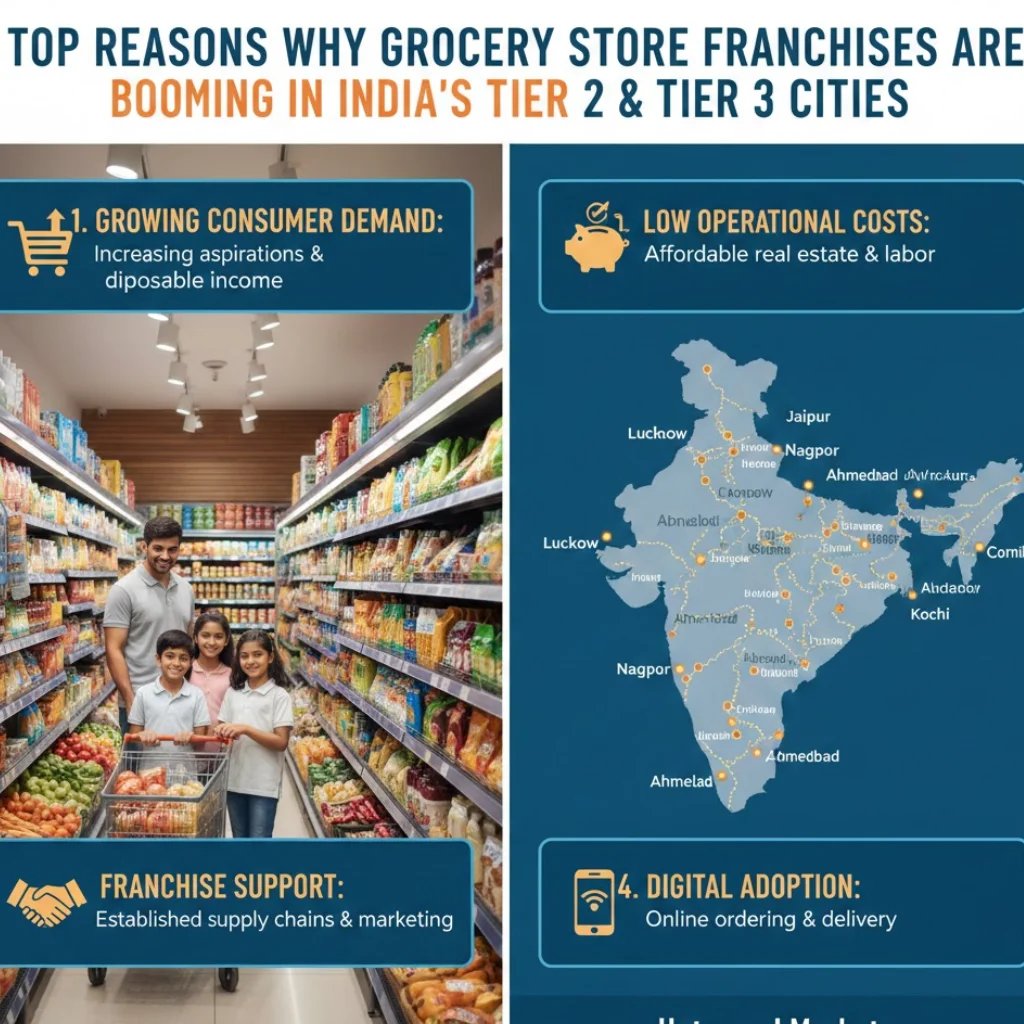
🛒 Grocery Store Franchise Challenges in Tier 2 & 3 Cities – and How to Overcome Them

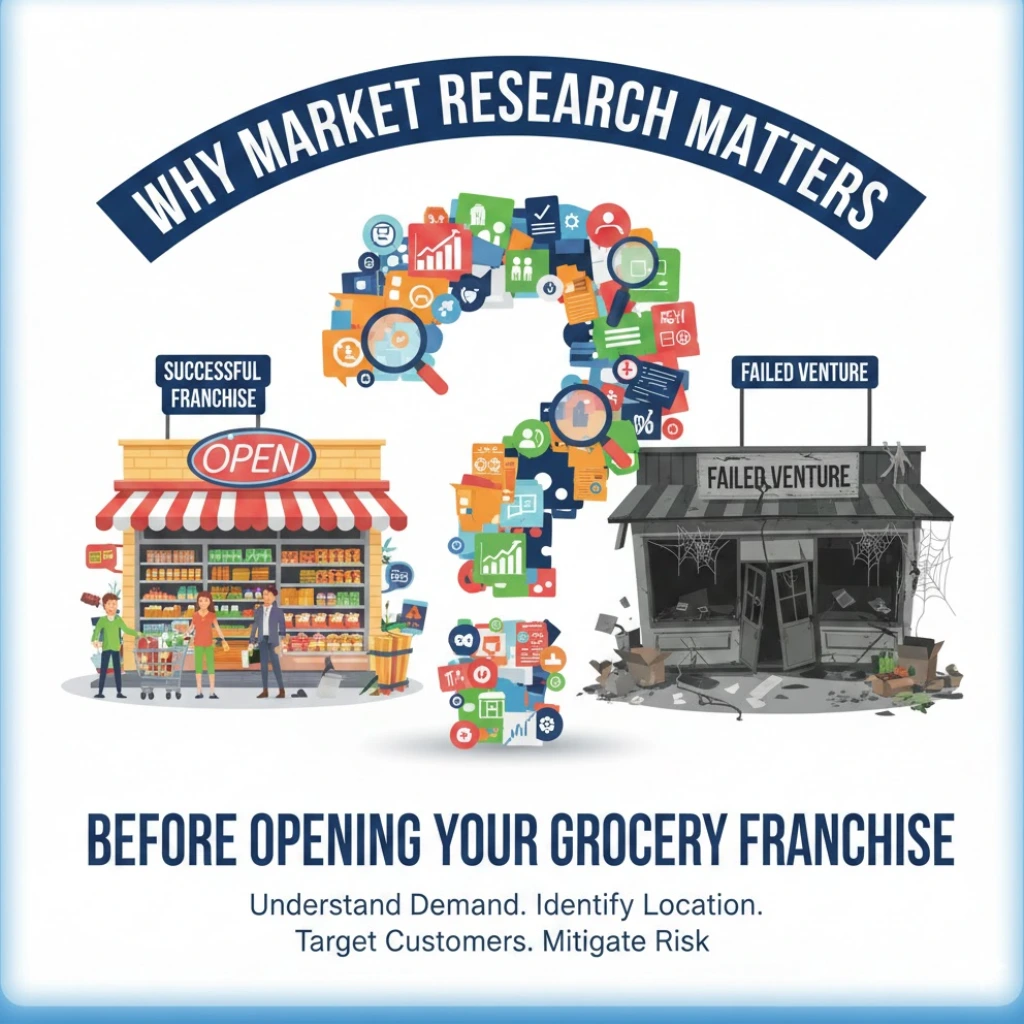
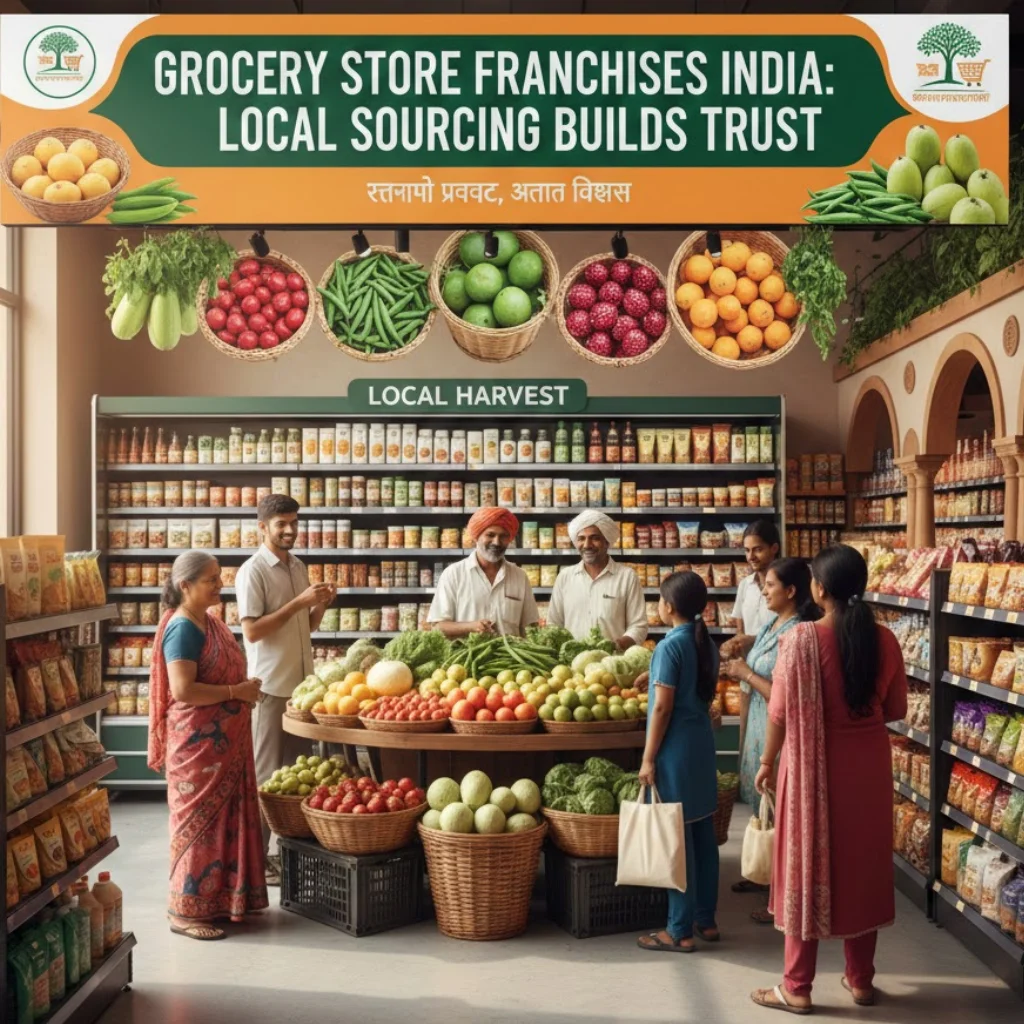
Indian retail is experiencing a remarkable expansion, and franchises for grocery stores are now available outside of metropolitan areas. The Tier 1 cities are saturated with modern supermarkets and organized retail chains, but Tier 2 and 3 cities provide promising opportunities for entrepreneurs who want to start a grocery franchise. These smaller cities have their own unique set of challenges, which require strategic planning. Knowing how to deal with these challenges and overcome them is the key difference between having a successful grocery franchise and a failing business. This guide can help you understand the challenges of operating a grocery store in India\’s growing cities, whether you are considering your first investment or expanding into smaller markets. Understand the Grocery Franchise Landscape India\’s retail grocery market has a value of over 600 billion dollars, and there is significant potential for growth in cities with Tier 2 or Tier 3 status. The markets in question represent about 70% of India\’s population, but are underserved. The gap in the market creates a lot of opportunities for franchise grocery stores that are willing to adapt their business to local conditions. Smaller cities, unlike metropolitan areas, where the consumer\’s behavior can be predicted, require that franchisees understand cultural differences, income levels, and long-established shopping habits. Grocery Store Owners Face Major Challenges Inventory Management and Supply Chain Management Establishing reliable supply chains is one of the most difficult challenges for grocery stores in smaller towns. Unlike Tier 1, which has a well-developed network of logistics, Tier 2 and Tier 3 cities face the following challenges: Transport delays are a result of poor road infrastructure and limited freight service. These delays can harm the quality of fresh produce, perishable goods, and waste. Due to limited supplier networks, franchise owners struggle with maintaining consistent stock levels. Most national suppliers concentrate on the major cities and leave smaller markets unserved. The storage challenges are caused by inadequate warehouse and cold storage infrastructure. This makes it hard to extend the shelf life and maintain quality. Customer Behavior and Market Preferences It is important to understand local preferences for the success of a grocery franchise. Customers in Tier 2 and 3, as well as urban customers, often have different buying patterns. Customers expect frequent promotions and competitive prices. Often, building customer loyalty depends on providing better value than local traditional retailers. The product preferences are highly dependent on the regional cuisine, culture, and tastes. Successful grocery stores must carry products that meet these needs. The frequency of shopping is higher, but the basket size tends to be smaller as consumers prefer buying fresh products and have less storage space. Local Retailers Compete with Each Other Existing local markets and grocery stores pose a significant challenge to new franchises in the grocery business. The competitors are often: Over the years, has built strong community relations that are difficult to question. Pricing strategies that are flexible and can be quickly adapted to changing market conditions or competitor action. Ability to understand local tastes and source from suppliers in the region. Operating Challenges Operating a franchise grocery store in a smaller city requires that you address several operational challenges. Training and Retention of Staff is a challenge when there are few retail employees, and they may move to bigger cities in search of better jobs. The adoption of technology may take longer, since both customers and staff might require time to adjust to digital payment methods and modern retail systems. Maintaining product quality is more challenging when the supply chain becomes longer and less reliable. How to overcome these challenges with proven strategies Local Partnerships That Work The most successful grocery franchisees in Tier 2 cities and Tier 3 cities are those who focus on building strong local partnerships. Connect with local suppliers that understand the market and provide cost-effective, reliable sourcing solutions. This partnership often results in improved pricing and more reliable supply. Work with farmers to directly source local produce. This reduces cost, assures freshness, and attracts customers who appreciate locally sourced products. Work with local logistics providers that have networks in place and are familiar with regional challenges. Adapting Local Customer Needs It is important to understand and respond to local preferences for the success of a grocery franchise: Perform thorough market research in order to better understand the local food habits, brands preferred, and prices. The research must be done continuously, as tastes can change. Tailor product mixes to regional tastes while maintaining franchise standards. Include regional and local brands along with national products. Use flexible pricing strategies to remain competitive and profitable. Think about loyalty programs or bulk discounts to attract price-conscious customers. Also Read: Six Things To Know Before You Buy A Supermarket Franchise The Technology-Driven Efficiency The use of modern technology is a great way to overcome operational challenges. Use inventory management software to track and predict stock levels. Automate the reordering process. It reduces wastage and makes sure that popular products are available. Point-of-sale systems provide sales analytics that help you to understand your customers\’ preferences and optimise product placement. Discover delivery options by partnering with local delivery services or developing your last-mile delivery network. Engaging Communities and Marketing The success of a grocery franchise depends on the strength of its community connections. Participate in local events to raise brand awareness and show community commitment. Promote local causes to create positive brand associations. Encourage word-of-mouth marketing through exceptional customer service. Employee Development and Training The long-term benefits of investing in your team include: Offer comprehensive training in customer service, product information, and modern retailing practices. To reduce employee turnover, offer a competitive salary as well as growth opportunities. Encourage staff loyalty by creating a work environment. Sustainable Future To be successful in cities of Tiers 2 and 3, you need patience, flexibility, and a commitment to understanding the local market. The most successful grocery store franchisees are those who spend time building relationships with customers, understanding their needs, and adapting to local conditions. Balance between franchise standards and local flexibility is the key. Successful franchisees find ways to maintain brand consistency, operational excellence, and make their shops feel natural in their community. Begin with a comprehensive market study, foster strong

🛒 Grocery Store Franchise Challenges in Tier 2 & 3 Cities – and How to Overcome Them Read More »

morning window view

Six Things To Know Before You Buy A Supermarket Franchise

COVID-19 taught us many valuable lessons. But the most important thing was to understand which businesses were essential. As restaurants, entertainment centers, and other businesses closed their doors, franchise supermarket operations continued to serve communities at a time when they were most in need. The grocery industry is a business that will never go out of style. People always require food and other essentials. It\’s more than a simple business venture. A franchise supermarket is a way to build a successful enterprise that will weather any economic downturn while serving your local community. The existence of demand does not guarantee success. Selecting the right franchise for a supermarket requires thorough research and careful planning. Wrong choices can cause operational problems, financial stress, and missed business opportunities. We\’ll explore what you should consider when investing in a franchise supermarket. The Initial Investment and Financial Requirements Understanding the costs of opening a grocery franchise will help you avoid financial surprises in the future. The initial investment for most grocery franchises ranges from 10Lakh to 50 Lakh, Approx. This depends on the store\’s size and brand. Financial planning includes franchise fees, costs of equipment, stock, store set-up, and working capital in the initial months. Most franchises also ask for proof of liquid assets to cover unexpected costs. Don\’t forget to include ongoing costs. The typical royalty fees range between 3% and 8% of the gross sales plus marketing costs of 1% to 3 %. They directly affect your profits, so include them in your projections. Analysis of Location and Market The location can determine your supermarket\’s success. Customers should be able to reach the best supermarkets during daily activities easily. Search for locations with high foot traffic and ample parking. You should carefully study your market. Who are the demographics in your area? Do you have a lot of families and children that need to shop regularly for groceries, or are there mainly young professionals? Knowing your customers\’ preferences will help you to stock products that are appropriate and price them appropriately. Analyzing the competition is also important. The profitability of all grocery stores can be affected by the presence of too many in a particular area. It is possible to increase foot traffic by being close to complementary businesses such as banks or pharmacies. Franchise Training and Support Programs Quality supermarket franchisors offer comprehensive training and support to help you achieve success from the very first day. Quality franchisors in inventory management, financial planning, vendor relations, and customer service provide initial training. The importance of ongoing support is just as important as the initial training. Franchises that offer regular reviews of your business, help with marketing, or assistance in supply-chain management are the best. Franchise companies that are successful will act as your partners, and not simply collect royalty fees. What are their thoughts on corporate support? Are they able to get prompt answers? Has the franchise helped them during difficult times? This information reveals whether the franchise really supports its partners. Product Sourcing & Inventory Management The success of a supermarket franchise depends on the efficient management of inventory and the reliable sourcing of products. You should have access to established suppliers who offer consistent availability and competitive prices. Inventory management systems are essential for modern grocery stores. They track and predict sales, automate the reordering process, and can even help to predict future demand. Make sure your franchise offers training and support on these vital systems. Think about the products that you can offer. Consumers today expect to find specialty products and local, organic, or fresh items in addition to the traditional staples. You should offer a diverse range of products to meet the changing needs and preferences of your customers. Also Read: Seven Proven Strategies to Boost Profits in a Supermarket Franchise Technology for Point of Sale Systems Modern supermarket operations are driven by technology. The point-of-sale system must be integrated with accounting, inventory, and loyalty programs. This provides important data on customer buying habits and preferences. Customers are increasingly expecting mobile payment systems, self-checkouts, and the ability to order online. Select a franchise that keeps up with the latest retail technology and offers regular system updates. Do not underestimate the value of quality technical support. If your POS system fails during peak periods, it is important to get immediate help in order to avoid lost sales or customer anger. Legal and Regulatory Compliance The operation of a franchise supermarket is subject to a number of regulations, including those governing food safety, rights for employees, and licensing. The franchise company you choose should guide you in meeting and maintaining these compliance requirements. The food safety laws are extremely complex and cover everything from the storage temperature to the expiration dates. Infractions may result in fines or temporary closings as well as permanent damage to reputation. Compliance with employment law includes scheduling and wage requirements as well as workplace safety standards. Many franchises provide human resources to assist with these regulations. Are You Ready To Start Your Supermarket Franchise Journey? To choose the best supermarket franchise, you must do thorough research on all of the factors. Visit existing franchises, talk to current owners, and carefully review financial projections. Don\’t forget that you\’re not just selling groceries with a franchise. You\’re also building a resource for the community that is relied upon by families every day. You can build a successful business in your community with the help of the right franchise. Ask for information and compare support systems from several franchises. Then, decide which one best suits your needs and the local market.

Six Things To Know Before You Buy A Supermarket Franchise Read More »

Seven Proven Strategies to Boost Profits in a Supermarket Franchise

Success in a franchise supermarket is not something that happens overnight. Most franchisees struggle to make their investments profitable. Good news! The good news? Understanding the main profit drivers can help you to make better decisions, whether you are considering a franchise for your supermarket or you already have one. Every aspect of the business, from choosing the right location to effectively managing your inventory, plays an important role in your bottom line. Select the Right Supermarket franchise Location Your supermarket franchise can be successful or fail based on its location. The location of your store is crucial to the success of your supermarket franchise business. Consider areas that have high foot traffic, such as neighborhoods with residential homes, schools, or office buildings. You want your ideal customer to be able to easily reach you, regardless of whether they are walking, using public transportation, or driving. Take into consideration the local competition. Too many stores of the same type nearby can reduce your sales. Make sure your franchise concept matches the demographics in your area. Stock Products That Your Customers Actually Want Success in a supermarket franchise depends on understanding your customers\’ shopping habits. Your inventory needs to reflect the different tastes of each neighborhood. Begin with the basics that customers buy every day: milk, rice, flour, cooking oils, basic vegetables, and bread. They will ensure that you have steady sales. Include convenience products that your customers will appreciate, such as ready-to-eat snacks, drinks, household items, and personal care products. They often increase the average value of your transaction and have high profit margins. Use this data to adjust your inventory and focus on items that generate the best returns for your supermarket franchise. This data can be used to optimize your stock and concentrate on the items that will generate the highest returns for your franchise. Managing Inventory for Profits: A Master Class A poor inventory management system can drain the profits of your franchise supermarket quickly. Stocking up on too much can lead to money being wasted and spoilage. On the other hand, having too enough stock will result in missed sales. Track expiry dates for all items, but especially perishables. To minimize waste, implement a \”first-in-first-out\” system. Offer discounts on items that are nearing their expiration date rather than letting them spoil. Negotiate better payment and price terms with your suppliers by building good relations. Bulk purchases can save money, but they are only effective for products with a consistent demand or a longer shelf life. Monitor stock levels with simple tracking systems. A simple spreadsheet will help you to identify trends and improve your purchasing decisions. Pricing Your Products Competitively Your supermarket franchise\’s profitability is directly affected by your pricing strategy. Customers will go elsewhere if you charge too much. If you price too low, it won\’t be easy to recover costs. Position yourself to be competitive by regularly researching competitor pricing. Your prices don\’t have to be the lowest, but they should still offer value. Consider different pricing strategies for different product categories. Consider different pricing strategies for each product category. Bundle deals and promotional offers can be used to promote larger orders. Offer discounts for bulk household purchases, such as buying two biscuit packets to get one free. Enjoy Shopping with a Positive Experience The customer experience is a major factor in the success of your franchise supermarket. Happy customers will return to your supermarket and tell others about it. Organize and keep your shop clean. Make sure the aisles and product labels are easily visible. Shopping is more enjoyable with good lighting and clearly marked signs. Your staff should be polite and helpful. Your supermarket\’s customer base will be more loyal if you provide friendly service. Multiple payment options are accepted, including cards, cash, and digital payments. Cashless payments are preferred by many customers, particularly for small purchases. Use Smart Marketing to Save Money Effective marketing doesn\’t require huge budgets. Simple, consistent marketing efforts can significantly boost your supermarket franchise\’s visibility and sales. Connect with your local audience using social media sites like Facebook or WhatsApp. Inform customers about specials, new products, and opening hours. Encourage customers to post their positive experiences on the internet. Join forces with businesses in your community and local groups. Offer discounts or sponsorships to nearby employees. The power of word-of-mouth is still strong for franchise supermarket businesses. To encourage return visits, create loyalty programs. Simple digital point systems or punch cards can help increase average purchases and customer retention. Also Read: The Complete Marketing Guide For Your Grocery Franchisee Keep a Close Eye On Your Finances You can identify issues early by monitoring your finances regularly and making necessary changes to ensure that you keep your franchise profitable. Monitor key metrics such as daily sales, margins of profit, inventory turnover, and operating costs. These numbers will help you make better business decisions. Keep your personal and business expenses separate. Keep accurate records for all purchases, even small ones. It is a good idea to keep track of all transactions, including small cash purchases. Look for cost-saving opportunities monthly without compromising on quality and customer service. Savings in several areas will have a significant impact on your profitability. Build Your Way to Success To be successful in the franchise supermarket business, you need patience, commitment, and intelligent decision-making. Begin by implementing just one or two strategies, and then expand as soon as you start seeing results. It takes time to build a successful business. Concentrate on providing excellent customer service, managing costs efficiently, and improving operations continuously. Your supermarket franchise will become an asset with the right effort. Act now by evaluating the current state of your operations in relation to these strategies and identifying any areas that need improvement.

Seven Proven Strategies to Boost Profits in a Supermarket Franchise Read More »

The Complete Marketing Guide For Your Grocery Franchisee\’s

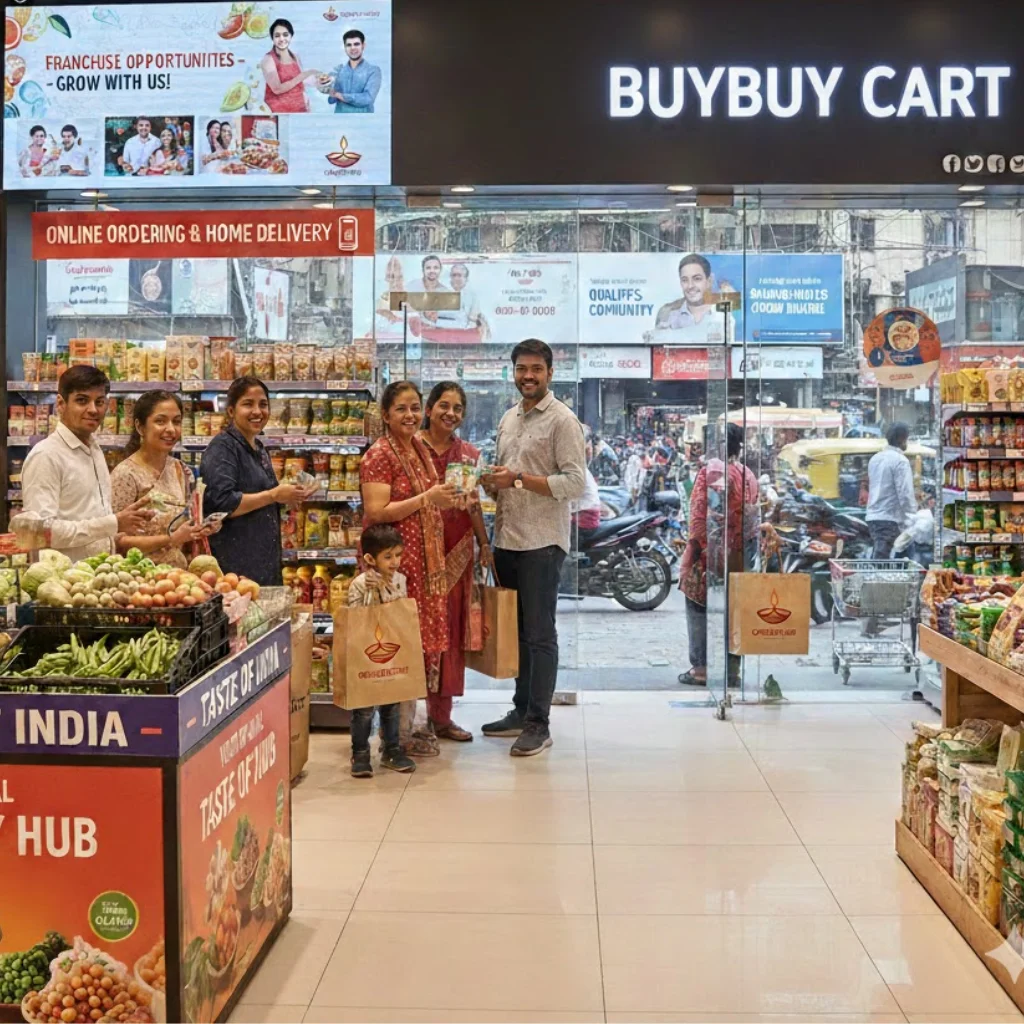
The first step in opening a franchise supermarket is to find a location. To ensure profitability over the long term, it is important to build customer loyalty. Grocery4U understands the importance of this and offers comprehensive marketing assistance tailored to grocery franchisees in India\’s changing retail environment. BuyBuy Technologies offers a variety of marketing tools to help franchisees build a strong local presence, from regional branding campaigns to local promotions. The complete system allows franchise partners to focus on their operations, while the marketing structure drives customer acquisition. Grocery Franchisees can benefit from multi-level marketing support Multi-level marketing strategy ensures that franchisees are supported in a way that is tailored to their specific local needs, while still maintaining consistency of the brand across all touchpoints. Local marketing & in-store promotions Local marketing is the foundation of a successful franchise. BuyBuy Technologies offers personalized marketing materials such as banners, posters, flyers, and other promotional items to promote new products, specials, and seasonal discounts. The materials can be customized to each store, so that the grocery franchisees are able to connect with specific customers. Marketing based on events is a key component of community engagement. Theme-based promotional kits are given to grocery franchisees during festivals such as Diwali and Holi. Independence Day and local fairs also receive them. These kits help increase brand awareness and footfall. The campaigns are designed to help grocery franchisees become integral members of the local community. Customers can be retained by using loyalty programs, product tastings, and demonstrations in-store. Franchisees of grocery stores can create personal connections by offering customized discounts for birthdays and festivals. This will encourage customers to return. Regional Campaigns The regional marketing campaign coordinates efforts between multiple grocery stores in a particular city or area, amplifying the reach of individual franchisees. This coordinated effort includes partnerships with local media outlets, such as radio, print ads, and collaborations between local influencers. In times of festive celebrations or when opening new stores, franchisees can benefit from digital marketing campaigns that are regional and increase their visibility simultaneously across several channels. The approach allows for maximum exposure while sharing the costs amongst participating stores. National Branding & Advertising Grocery Franchisees are automatically eligible to participate in nationwide promotion campaigns that run both online and offline. The brand partnerships, advertising online, and outreach campaigns include flyers and website branding as well as a comprehensive social media presence on grocery4uretail.com. The national campaigns give grocery franchises credibility and recognition they would not be able to obtain independently. They also help establish trust among new customers, who will recognize your brand through broader marketing efforts. The Digital Toolkit for Grocery Franchisees SEO & Local Discovery Consumers search online for local grocery stores before visiting. Grocery franchisees to appear prominently on local search results by optimizing storefront listings for SEO and setting up Google Business profiles. It allows customers to easily locate nearby grocery stores by searching in their locality. Social Media Marketing The social media templates are designed to be used on platforms such as Facebook, Instagram, and WhatsApp. The campaign templates include themes such as festivals, stock discounts, and health & wellbeing. This allows grocery franchisees to maintain an active social media presence without having to create content. This platform offers guidance to grocery franchisees on how they can build an online community around their store. It includes hashtag usage and posting tactics. Email and SMS marketing Grocery franchisees can use newsletter templates to promote special promotions, seasonal campaigns, deals for referrals, or new products. Grocery franchisees can communicate regularly with their customers by scheduling SMS campaigns to promote flash sales and special offers. Content marketing Grocery franchisees can share blog posts, recipes, and grocery tips via WhatsApp or email. Promotional videos and content shorts support social storytelling. This helps grocery franchisees improve customer retention and build trust. Data Analytics The dashboards provide a comprehensive view of store performance, including footfall, customer preferences, and behaviour. This information allows grocery franchisees to design tailored campaigns, optimize inventory of popular products, and offer strategic deals for slower-moving items. Brand Collaterals and Standard Assets Franchisees of grocery stores receive a wide range of marketing materials, including decals that are pre-designed, branding kits for in-store, stationery with branded designs, banners and posters, shelf talkers on the shelves, stickers to place on floors, loyalty coupons, etc. Grocery franchisees can maintain a consistent brand while adapting their marketing to the local market with digital graphics, email templates, and localization tools. All franchise signage, uniforms, and branding follow the same style guide. This ensures that grocery franchisees can benefit from brand awareness and a professional look, which builds confidence among customers. Grand Opening & Support BuyBuy Technologies offers comprehensive support to new grocery franchisees when they open new stores. BuyBuy Technologies \’ grand opening campaign support, including festive discounts, Buy-One-Get-One deals, Freebies, and partnerships with local events. Coordination of local press coverage and mentions in the newspaper can help franchisees create buzz about their openings. Ribbon-cutting events with media or local influencers can help generate initial buzz and build long-term awareness. Corporate & Community Outreach Local Community Programs The grocery franchises are encouraged to form partnerships with local associations, school fairs, women\’s groups, and neighbourhood associations. The branded stands and refreshments sponsored by the grocery franchisees help them build trust and goodwill within their communities. B2B and Corporate Partnerships Franchisees of grocery stores can ask for help in setting up local accounts. This includes bulk orders, supply contracts, and corporate purchases. BuyBuy Technologies\’ brand and credibility help franchisees to access business opportunities they might not otherwise have been able to secure independently. Ongoing Sales Promotions & Offers The grocery franchisees are able to benefit from regular promotions, such as seasonal sales around Diwali and Independence Day. Health awareness campaigns, back-to-school offers, senior discounts, and monsoon sales are all part of the theme-based campaign. These offers and flash sales help grocery franchisees move their inventory faster while still maintaining the interest of customers throughout the entire year. The coordinated campaigns help grocery franchisees stay

The Complete Marketing Guide For Your Grocery Franchisee\’s Read More »

Retail Formats for Supermarkets Franchise

Are you planning to open a retail store? It\’s an excellent idea! Take a breath before you take action on this idea. The wrong format for retail can be costly in terms of time, money and momentum. It may even cost your professional peace. Most new retailers rush to open a shop without knowing which business model best suits their audience, location and customer behaviour. Retail has changed dramatically from the traditional format of a store to personalized apps and websites that connect consumers directly to sellers. Knowing the pros and cons of Indian retail formats will help you make the best strategic decisions. Understanding these formats will help you succeed, whether you are considering a franchise for a grocery store or other retail options. Shop-Based Retail Formats 1. Departmental Stores A department store is a group of businesses that are all under the same roof. Departmental stores sell many products under different headings. They have separate management and billing, as well as separate merchandise. Features: Centralised management but decentralised commerce transactions Pricing that is affordable and fixed with automatic billing You need a lot of money to have a powerful presence Ideal For: A leader who is organized, experienced and capable of managing large groups and departments without compromising on customer service. 2. Supermarket Franchise Opportunities The supermarket is a great place to get all your household supplies. Supermarkets offer groceries, cosmetics, household products, etc. The franchises that come with a supermarket have a proven track record and a well-established brand. Features: Self-service stores with a wide range of household and food products Separately organize goods into aisles and sections Easy access to quick and easy commerce Concentrate on high volume and low price sales Advantages: A variety of brands sold under one roof Work on low profit margins with high discounts Offers quick commerce to customers They are often located near high-traffic areas Perfect for: An organised person who is able to handle high volumes of work and ensure smooth operations. 3. Chain Stores The chain store is made up of four or more units that sell the same product in the same way. These stores are managed and controlled by one owner, while supplies come from the city\’s warehouses. Features: All outlets have the same pricing Centralised procurement and management to enhance cost efficiency Brand identity Perfect for: Someone who is able to build uniform units in multiple locations and can manage them efficiently. 4. Discount Homes The discount stores offer huge discounts across sports goods, furniture, household appliances, furnishings, toys and clothing. Features: Concentrate on sales with high volumes but low margins Minimum customer service and basic layout Prices are lower than those of other retailers Perfect for: An entrepreneur with a focus on results who is able to maximise sales using minimal resources. Other Retail Formats 5. Direct Selling Direct sales connect buyers directly with sellers, without any intermediary. Personal relationships are the basis of this system, and no store is required. Features: Customer relationship management and customer-centric approach There is no fixed retail location Direct sellers sell products directly to their customers Perfect for: An excellent persuader, with interpersonal skills and the ability to close face-to-face deals. 6. Telemarketing Telemarketing is the use of telephones for cold-calling processes to sell and market products. Telemarketing today uses automated dialling, recorded messages and consumer data that is centrally managed. Features: Outbound and inbound calls are both possible Instant feedback allows for personalised offers and immediate feedback There is no need to store anything in a physical location Perfect for: Professionals who are able to interact with customers over the telephone and close sales effectively. Also Read: Understand The Needs Of Your Customers To Increase Profits 7. Online Shopping Selling products online to consumers is known as Online Retailing. Flipkart, Amazon and other platforms offer many sellers the opportunity to reach consumers. Features: Selling products via mobile applications or websites Shop anytime and anywhere with a wide selection of products. Online payment, home delivery and easy returns policies This is for a tech-savvy person with a good understanding of digital platforms, e-commerce and operations. Selecting Your Retail Path Every retail format is unique and has its advantages and challenges. New entrepreneurs will find a supermarket franchise attractive because of its established brand and systems. Success depends, however, on your understanding of the target market, geographical advantages and operational abilities. Consider factors such as initial investment, operational costs over time, your target market, and personal strengths. Retail continues to evolve, but the fundamental formats that have been used for decades remain at the core of all successful Indian retail operations.

Retail Formats for Supermarkets Franchise Read More »

Understand The Needs Of Your Customers To Increase Profits

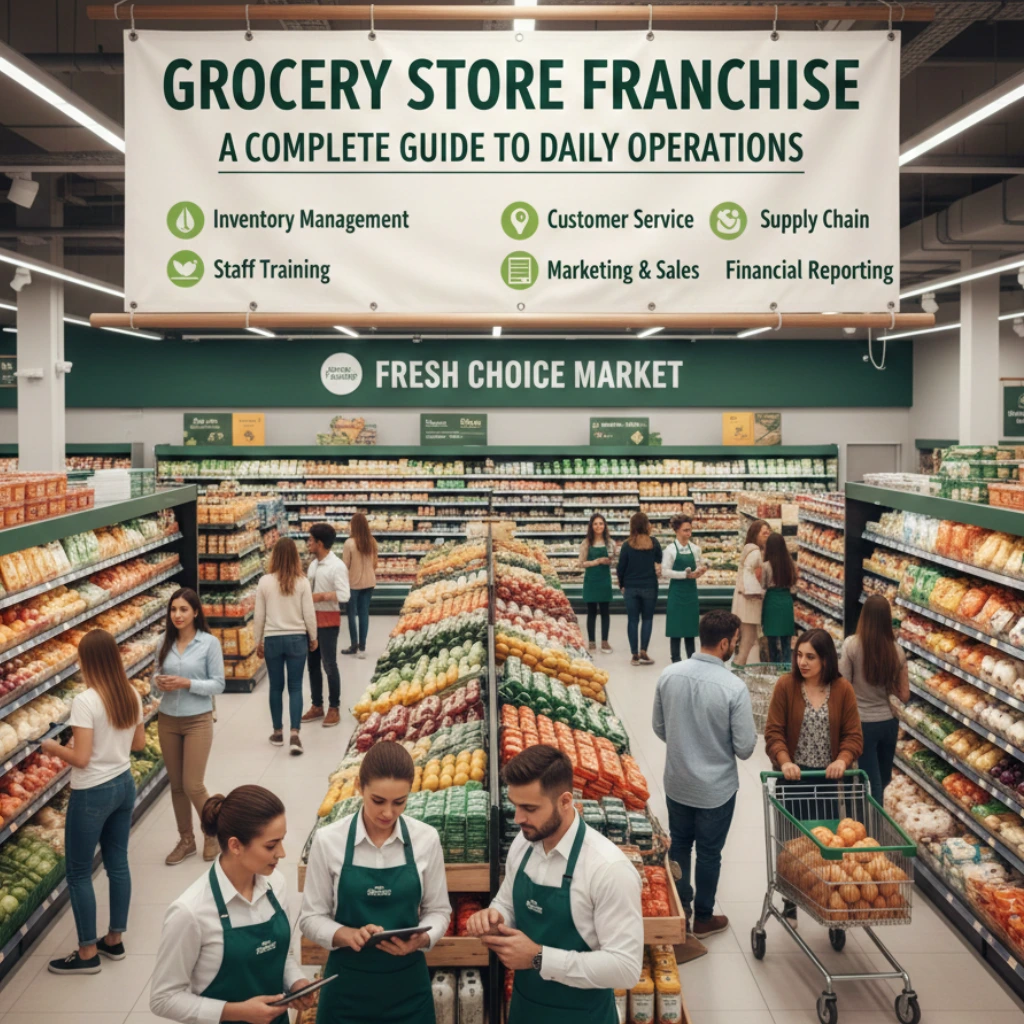
A successful franchise supermarket is more than just stocking the shelves and handling transactions. Knowing your customer is the key to maximizing revenue. Understanding what customers want and how they shop is key to increasing profits, whether you run a franchise supermarket in a busy city or a quiet town. The owners of smart supermarket franchises know that understanding the customer is not just a good business strategy, but also a key competitive advantage. This translates into improved financial performance. The importance of customer understanding to boost your supermarket franchise revenue: Increased customer satisfaction drives repeat business. Franchise locations with a true understanding of customer needs are more likely to be visited by customers. Customer satisfaction increases when your store meets the needs of customers through better service, relevant offers, and the selection of products. Your most important marketing asset is a happy customer. Happy customers will return and refer new clients through recommendations. Organic growth will reduce your franchise supermarket\’s marketing expenses while increasing revenues. Personalization based on data increases sales conversion Generic strategies of discounting are no longer effective. The modern supermarket franchising business succeeds by providing customized programs that are based on the data collected from online interaction, loyalty programs, and store behavior. Your supermarket can analyze shopping data to understand what people buy, when they do it, and why. With this knowledge, you can create targeted promotional campaigns that appeal to specific segments of customers. Offering bundles of household products to families and special offers on organic produce to health-conscious consumers creates relevant offers that boost conversion rates. Optimizing the layout of your store strategically maximizes purchase value The layout of successful supermarket franchises is based on the shopping habits of customers. By placing essentials at the back and snacks close to the checkout, you can encourage customers to spend more time in your store. You can make shopping easier and more enjoyable by understanding how your customers use the supermarket. Also Read: Digital Tools Transform Business Operations In Supermarket Franchise Success Better Inventory Management Saves Money Your supermarket franchise can identify trends in the market and consumer preferences by using data from customer feedback, shopping patterns, and purchase histories. This information allows for better inventory management that is in line with demand. Your supermarket can make adjustments to its inventory when customers demand eco-friendly items or when plastic packaging is avoided. This reduces the cost of overstocking, eliminates unnecessary waste, and allows you to sell products that customers want. Profit margins are improved. Customers are more loyal when they feel connected emotionally Understanding the needs of customers creates connections beyond transactions. Customer feedback, personal interactions, and genuine concern for their concerns will encourage loyalty. In competitive markets, this emotional connection is especially important. When customers feel appreciated and understood, they remain loyal to the company even if competitors lower their prices or offer aggressive promotional offers. Compare and contrast supermarket franchises Customers are prone to switching stores when they don\’t get what they want. You can set yourself apart from competitors by focusing on customer needs and values. You can be competitive by targeting specific preferences of your customers. Environmental consciousness and sustainability Time-saving and convenient solutions Support local products and the community Priorities for health and wellbeing This unique value proposition attracts new customers and fosters stronger brand loyalty compared to price competition. How to understand your supermarket franchise customers Implement customer feedback programs, loyalty programs that monitor purchase patterns, and conduct periodic surveys to gather insights. Your staff should be trained to interact with your customers and take note of their concerns and preferences. Use data from the point of sale to determine seasonal and shopping patterns. Social media and online reviews can be used to learn what your customers like and dislike about the supermarket experience. Building profitable customer relationships It\’s not just about providing better service, but also about creating a profitable franchise. Knowing what your customers want enables you to stock the best products, run effective promotions, optimize your store\’s layout, and create emotional connections that drive long-term business success. The profitability of your supermarket franchise depends on regular customers returning to spend more money per visit and recommending your store. Understanding and consistently meeting the needs of your customers will result in this behavior.

Understand The Needs Of Your Customers To Increase Profits Read More »

Digital Tools Transform Business Operations In Supermarket Franchise Success

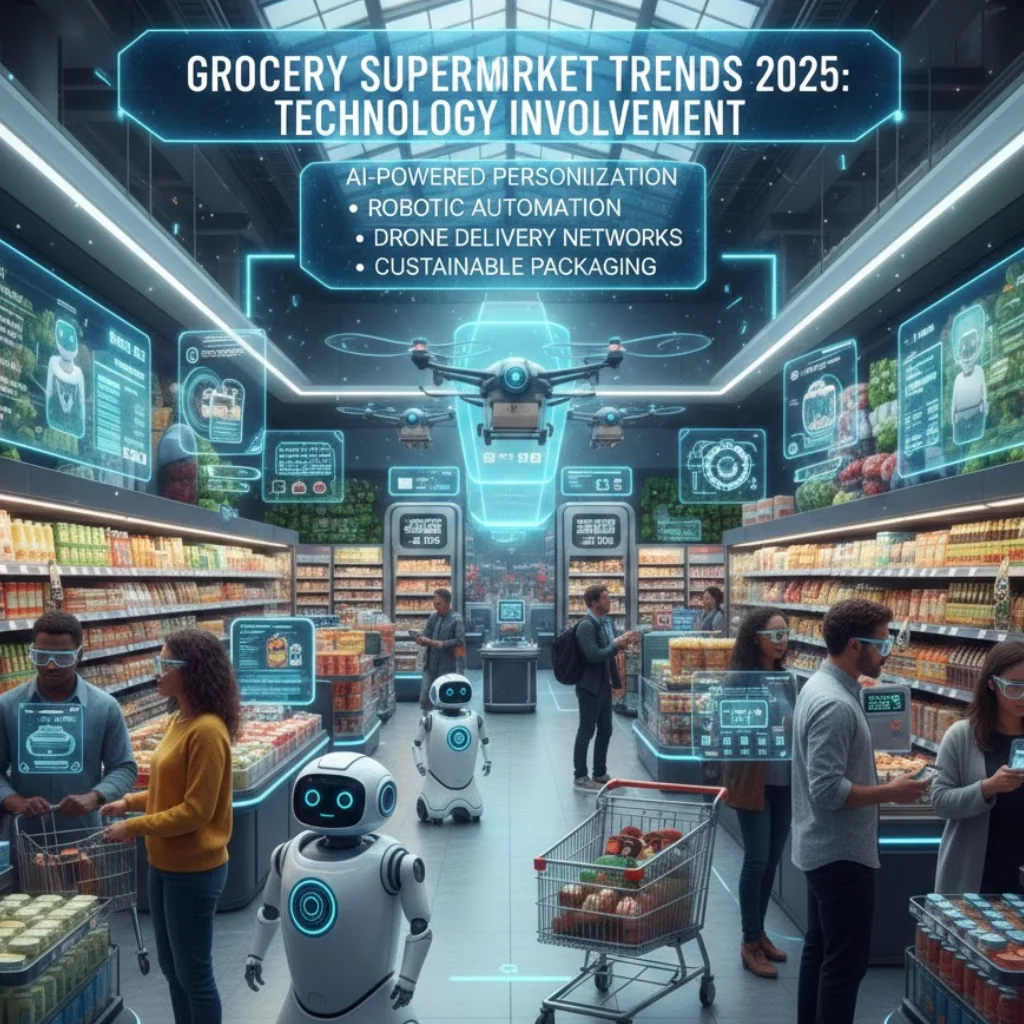
Since the COVID-19 pandemic, grocery retailers have experienced a significant shift. The traditional Indian kirana store once dominated the retail industry in India. However, today, there is fierce competition among supermarket franchises that are tech-enabled and offer better inventory management, faster service, and online delivery. Sophisticated software, cloud dashboards, and barcode scanners now power business processes that used to rely on paper ledgers and cash registers. The technological change in the industry presents opportunities as well as challenges to entrepreneurs. The prospect of investing in IoT and advanced software for new businesses can be overwhelming. However, has developed a franchise model to bridge this gap. It makes supermarket ownership accessible, efficient, and profitable for those who are tech-curious. Digital Revolution Transforming Supermarket Franchise Operation The modern supermarket business relies on digital ecosystems integrated into its daily operations. The systems reduce human error, operational costs, and time-consuming manual processes. The use of digital tools allows for automatic inventory management, which prevents stockout situations from occurring. This can be frustrating to customers and lead to a loss in sales. Software monitors and predicts fluctuations in demand, as well as monitors product movements. It also generates alerts for automatic reorders if inventory drops below certain thresholds. Dashboards on the cloud provide real-time insight into metrics such as sales, profitability, and efficiency. The data-driven method allows for quick decisions and helps to identify improvement areas without having to rely solely on observations by staff or manual calculations. Technology Support for Supermarket Franchises Improves Performance BuyBuy Technologies\’ model for a supermarket franchise combines proven retail technology and comprehensive business support to create a system that simplifies operations while maximizing profitability. The platform analyses the performance of the digital ecosystem and gives actionable insights to franchise owners. This technology suite also includes inventory management software that tracks product movements from the point of delivery until sale. The barcode scanning system ensures accuracy in stock counts, reduces checkout time and improves customer satisfaction. Intelligent analytics tools can identify seasonal and purchasing trends. This allows franchise owners to make more informed decisions regarding product selection, pricing, and marketing campaigns. This data-driven strategy helps franchise supermarket businesses remain competitive while still maintaining healthy margins. Also Read: Top Grocery Store Franchise in India: Costs, Profits The benefits of technology integration for supermarket franchise owners The digital transformation brings measurable benefits to multiple areas of business. Automation reduces the need for large teams of staff, reducing labour costs and maintaining service standards. Inventory management is more accurate, which reduces waste and ensures popular products remain in stock. The customer experience is improved significantly by faster checkouts, customised offers based on purchase histories, and easy online ordering. The enhanced services offered by supermarket franchises help them build loyalty with customers and compete more effectively with larger retail chains. Franchise owners can monitor their business remotely with real-time reports, allowing them to keep track of important metrics such as daily sales, turnover in inventory, and profit margins. Smart Technology for Scalable Supermarkets Digital platform allows for the expansion of supermarket franchises by creating standardised processes that can be duplicated in multiple locations. Owners can manage multiple stores with ease while still maintaining uniform standards of operation. The integration of technology also enhances relationships with suppliers through digital payment systems, automated order processing, and automation. This streamlined process strengthens vendor relationships and can often lead to better pricing due to increased order accuracy and payment reliability. As supermarket franchises grow, the scalable nature of digital systems ensures that technology costs are relatively stable and operational efficiency is continually improving. It creates an economic model for long-term success. Make smart investments in supermarket franchises to benefit the future. In order to survive in the competitive retail market, supermarket franchises must embrace technology. Partnering with platforms reduces financial risks and eliminates guesswork. The franchise owner can access proven software without having to create custom software or go through complex integration processes. The focus is on the customer and the growth of the business rather than on technical issues. This comprehensive model of support ensures supermarket franchisees receive ongoing training and technical assistance to make technology adoption easy and sustainable. The support structure can be especially valuable to business owners with limited technical knowledge. Digital Solutions to Transform Retail Businesses It\’s more than a mere trend; the shift to technology-enabled franchise supermarket operations is essential for survival and business growth. BuyBuyTechnologies\’ integrated approach offers the training and support needed to create a successful retail business. Customers today expect convenient options, low prices, and efficient service. These expectations can be met by supermarket franchises that use digital tools to maintain the margins needed for sustained growth. Are you ready to discover how technology can change your franchise supermarket opportunity? BuyBuy Technologies will share its business model with you and demonstrate how digitalization of operations can boost profitability.

Digital Tools Transform Business Operations In Supermarket Franchise Success Read More »

Top Grocery Store Franchise in India: Costs, Profits & Step‑by‑Step Process

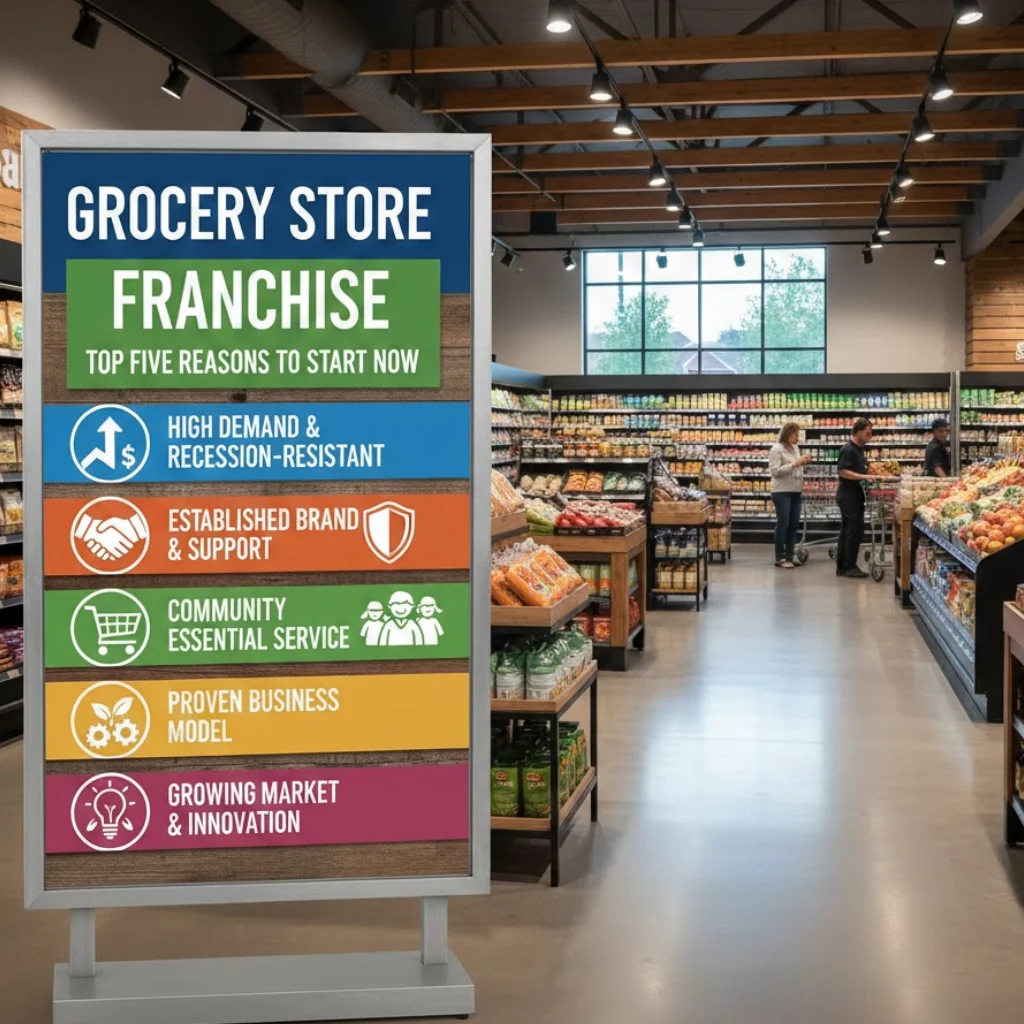
Grocery Store Franchise in India: Discover the full cost, support, pros & cons—find clarity and confidence before launching your supermarket franchise journey. Deciding whether to invest in a Grocery Store Franchise in India can feel overwhelming, especially when you’re worried about high setup costs, uncertain returns, location challenges, or franchise terms. This blog aims to clear those doubts and help you make an informed choice. Read on for real insights into investment ranges, top brands, operational support, and frequently asked questions—all to help you feel confident before committing. Why Choose a Grocery Store Franchise in India India’s food & grocery retail market is worth around US $719 billion approx and is projected to grow about 4% annually through 2030. It remains the largest retail segment in the country. Franchising opens the door to an organized retail model backed by established brands. Opening your freelance grocery shop alone can be risky and resource-intensive. A franchise provides a proven brand, standardized operations, and supplier access, which reduces the learning curve and operational hassles. Step‑by‑Step Process to Open a Franchise Selecting the Brand & Format Evaluate your budget, location size, target consumer profile, brand presence, and support model. For tight budgets, G‑Fresh or SuperK may suit; for higher ambition, consider More or 7Heven. Site Evaluation & Location Choice Choose high pedestrian areas or neighborhoods with unmet demand. Requirements can be 500 sq ft mini formats or up to 10,000 sq ft for a full-scale supermarket. Signing Agreements & Training You’ll enter into a 3–5‑year franchise agreement with the brand. Training programs typically cover operations, inventory ordering, billing software, merchandising, and marketing launch support. Support & Operations from Franchisors Training, Marketing & Supply‑chain Support Most franchisors offer end‑to‑end offerings: central procurement, branded merchandise, marketing campaigns, regular audit visits, and software systems. Ongoing Royalty & Fees Structure Royalty ranges from 1‑5% of gross turnover or a fixed fee—be clear about this before signing the agreement. Benefits for Entrepreneurs Considering the Franchise Route Brand Recognition & Proven Model Established brand value delivers customers from day one, helping build trust and loyalty quickly. Bulk Purchase Power & Savings Franchisees tap into centralized supplier deals, yielding lower purchase prices and higher margins. Reduced Business Risk versus Independent Store With training, standardization, and ongoing support, franchisees face lower setup learning curves and operational errors. Common Concerns & How They Can Be Overcome High Upfront Costs vs. ROI While initial setup may feel high, veteran franchisees often report breakeven within 12–24 months if footfall and margins are well‑managed. Lease & Location Challenges Prime location rental can eat your margins. Negotiate lease terms and factor rent into your feasibility study. Royalty Burden & Margins If royalty is percentage‑based, optimize inventory and minimize shrinkage to maintain profitability. Real‑World Success Stories from Franchisees G‑Fresh Mart’s Low‑Investment Entry Multiple first-time investors have launched profitable mini‑mart outlets for under ₹10 lakh, leveraging local demand and lean operations. Hearty Mart’s Rural‑Urban Model By focusing on smaller towns and villages, Hearty Mart empowers franchisees with ₹5–10 lakh setup and strong local loyalty—proving profitable even outside metro clusters FAQs about Grocery Store Franchise in India 1. What is the minimum investment needed? You can start with ₹5 lakh for compact formats like G‑Fresh or Hearty Mart; full‑scale supermarket models often require ₹40‑70 lakh or more. 2. How long does it take to break even? Most franchisees reach break‑even in 12–24 months if standard operations are followed, and the location is well‑chosen. 3. Do I need prior experience in retail? Not necessarily. Franchisors provide training and support even for first‑time owners 4. What licenses are required? You need a Shop & Establishment license, municipal trade license, FSSAI (if food), and GST registration—costs range up to ₹2 lakh depending on the state. 5. What are typical royalty/fees? Royalty can be 1–5% of turnover or fixed monthly payments. Software and marketing fees may be extra. 6. How do franchise costs vary by brand? Budget formats like G‑Fresh or SuperK: ₹5–20 lakh. Mid-tier chains like 7Heven, Street24: ₹10–30 lakh. Large chains like More, Spencer’s, DMart: ₹40–70 lakh or more. Conclusion: Is a Grocery Store Franchise in India Right for You? If you’re keen to avoid the high risk of starting an independent store and appreciate structured support, a Grocery Store Franchise in India can be a smart entry point into retail. You’ll benefit from trusted branding, supply chain efficiency, and hands‑on guidance. Still, ensure you perform thorough location analysis, budget realistically, and read your franchise agreement carefully. With a franchise, you\’re not just starting a store—you’re joining a proven retail ecosystem. That clarity and support often make the difference between doubt and confident entrepreneurship.

Top Grocery Store Franchise in India: Costs, Profits & Step‑by‑Step Process Read More »

Smart Inventory Management for Franchise Supermarkets

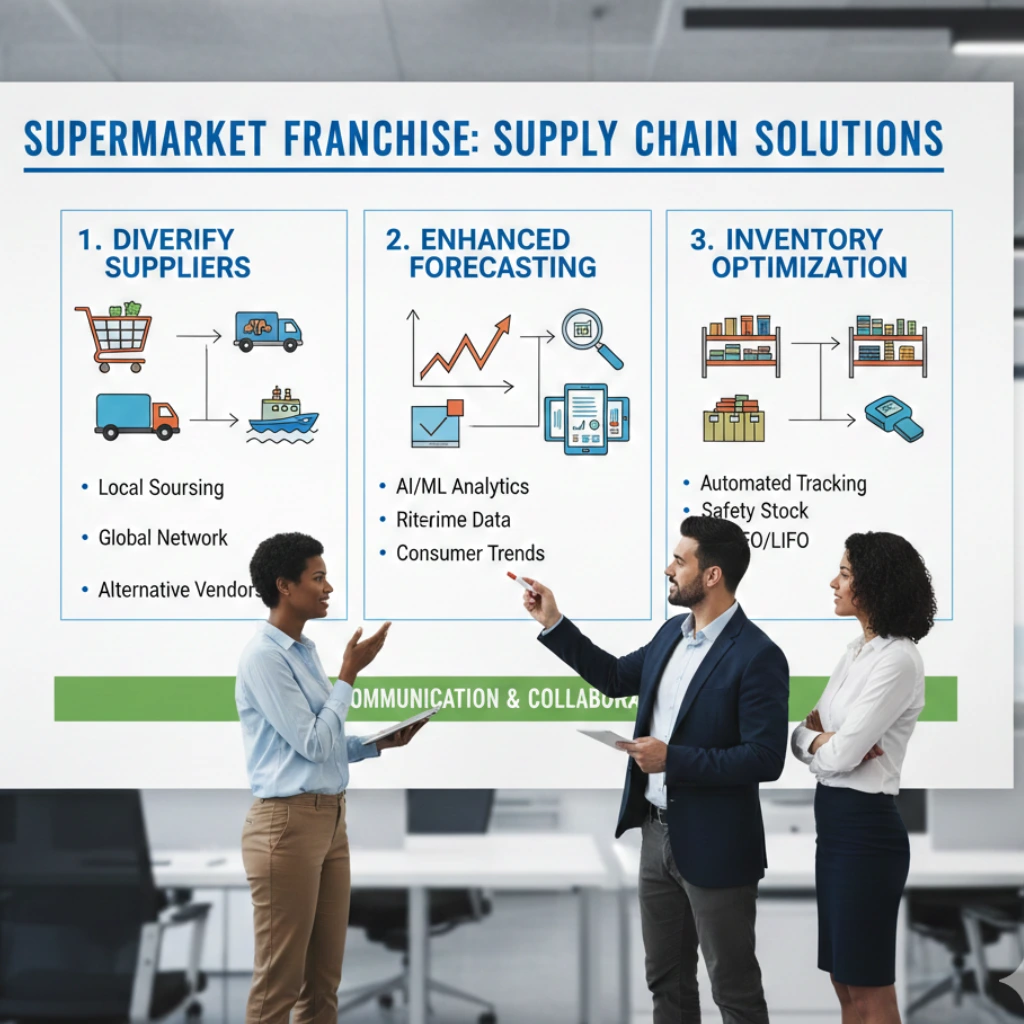
To run a successful franchise, you must balance thousands of items while maintaining profitability. Effective inventory management is essential for a supermarket franchise with over 20,000 products in multiple categories. Inventory control issues can lead to empty shelves and frustrated customers. They also cause significant financial loss due to expired goods. Franchisees can boost their profits by implementing smart inventory strategies. They will help them maintain the optimal level of stock, cut down on waste, and reduce costs. Implementing systems that allow you to see your inventory in real time and support data-driven decisions is key. How Inventory Management Drives Franchise Success Franchisees of supermarkets have unique challenges, which independent shops do not. While your customers demand that products be available at all stores, corporate policies require specific stock practices. Three critical aspects of your business are directly affected by effective management. Retention of Customers and Customer Satisfaction Customers will go to the competitors if your shelves are empty. Shoppers lose trust in the reliability of your store when they can\’t locate essentials like bread or milk. Stock availability that is consistent builds customer loyalty and trust, encouraging repeat business. Maximizing Profit Stockouts and excessive inventory for slow-moving items are two scenarios that can be costly. Stockouts result in lost sales, while excess inventory increases costs and ties up your capital. Find the balance that maximizes return on your investment. Operational efficiency Inventory management that is well-managed streamlines the daily operation. The staff spends less time dealing with emergency orders and expired products. The result is lower labor costs and smoother operations in the store, which benefits both customers and employees. The Core Strategies of Supermarket Inventory Management Implement automated reordering systems. Modern point of sale systems monitor sales in real time and generate automatic purchase orders once stock levels exceed pre-determined thresholds. This technology ensures that fast-moving products are always available. Reorder points can be set based on seasonality, sales volume, and lead time. Sort products by performance Not all products deserve equal attention. ABC classification is based on profitability and sales volume. The most profitable items are in category A and need to be monitored frequently. The products in Category B require moderate monitoring, while those in Category C can be handled with simple systems. This helps you to allocate resources and time effectively. The Expiration Dates Monitor The operation of grocery stores requires paying special attention to perishable products. Use inventory management software to track expiration dates and implement first-in-first-out rotation. Monitoring regularly reduces the risk of spoilage, and can have a significant impact on profitability. Trends in sales and patterns The historical sales data can reveal important trends that influence purchasing decisions. Discover seasonal patterns, the impact of promotions, and local customer preferences. This helps you to adjust your inventory levels in a proactive manner rather than reacting reactively when stockouts occur or overstocks are present. Also Read: The Hidden Costs of Poor Inventory Management in Grocery Franchises Applying Technology for Better Results Inventory Management System POS systems can be integrated with specialised grocery store software to track inventory. They offer such features as automated ordering, expiration date monitoring, and detailed reports. Software designed for supermarkets is better than generic solutions. Mobile Inventory Tools Equip your staff with tablets or mobile devices to update inventory in real time. The employees can use mobile devices to scan items, check inventory levels, and update quantities. The mobility of the system improves accuracy and gives instant access to inventory levels across departments. Reporting and Data Analysis Reporting regularly helps to identify trends and areas for improvement. Keep track of key metrics such as inventory turnover rate, frequency of stockouts, and waste percents. These insights can be used to improve your inventory strategy and inform business decisions. Managing Supplier Relationships Diversify Your Supplier Base If you rely on a single supplier, there is a risk. To ensure a consistent supply, develop relationships with several vendors to provide critical products. Diversification can also provide negotiating power and backup options for peak demand times. Negotiate Favorable Terms Negotiate with your suppliers on terms that will support the goals you have for inventory. Negotiate reduced lead times, order quantities that are flexible, and return policies on unsold seasonal products. Supplier relationships can provide a competitive advantage in terms of pricing and availability. Take Action for Inventory Optimization Inventory management is not a once-off process for successful supermarket franchises. It\’s a continuous, ongoing procedure. Audit your existing practices to identify the most painful areas. Focus on the areas that have the greatest impact first. Consider training your staff members in the area of inventory management. They must understand and accept the practices. Your inventory strategy will remain effective as you grow and the market changes. Inventory management can transform your franchise supermarket from reactive to proactive and give you control to maximise profitability, while better serving your customers.

Smart Inventory Management for Franchise Supermarkets Read More »

The Best Model for a Supermarket Franchise: Retail or Wholesale

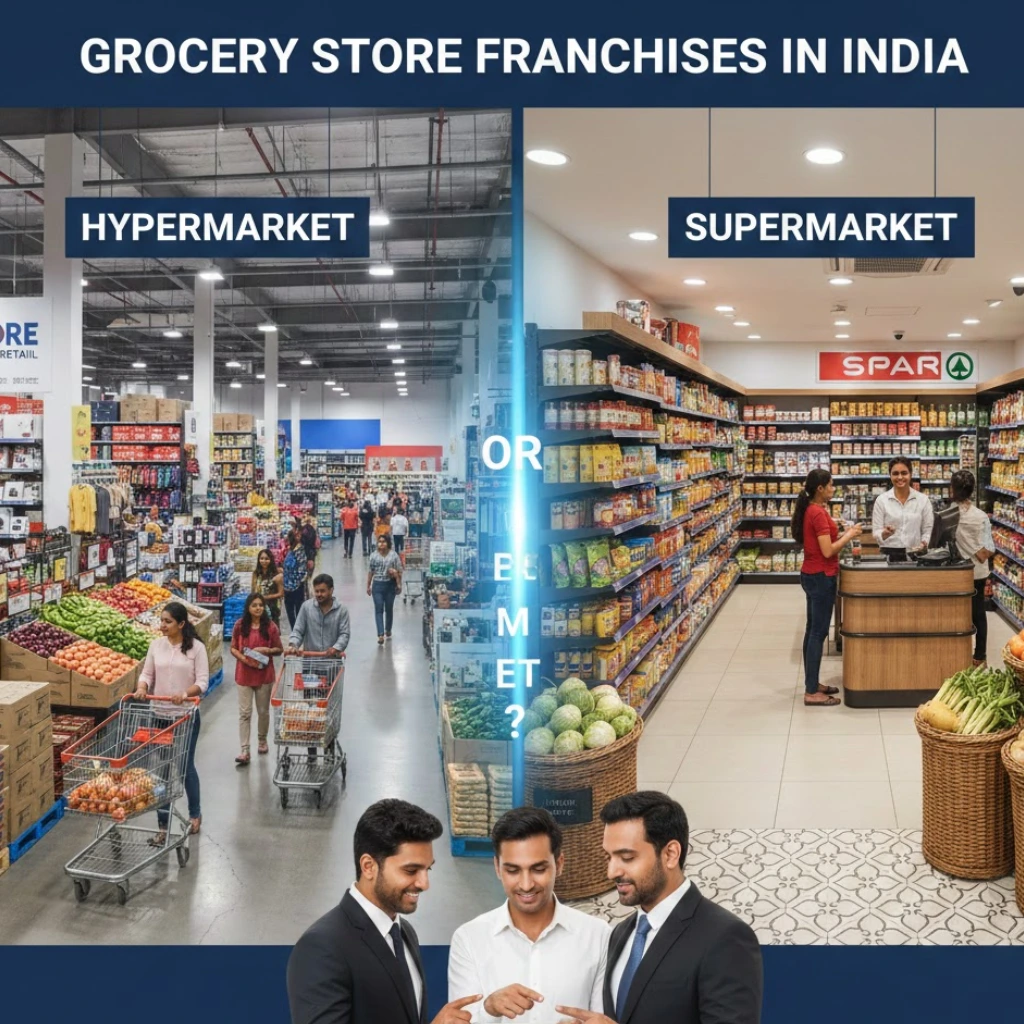
Supermarket franchises are becoming more attractive for entrepreneurs as the grocery market continues to grow. You\’ll need to make a decision if you want to enter this profitable market: wholesale or retail supermarkets? The choice you make will impact everything, from the way your business operates to how much profit it makes. The two models have distinct benefits and challenges, which can determine your success in business. Before investing your time or capital in a franchise, it is important to understand the differences. Explore both options to determine the best model for your supermarket franchise based on your goals and available resources. Understand Retail Supermarket Franchises Franchises that operate retail supermarkets sell products to consumers directly. The grocery stores are focused on providing a great shopping experience to families, individuals, and households purchasing household essentials, daily necessities, fresh produce and other items. Retail franchises usually have organised aisles with attractive displays and counters for customer service. Owners of retail stores prioritise accessibility and convenience, staying open longer hours in order to meet the needs of their community. Retail grocery chains that are successful build their brand on a variety of products, low prices, and strong relationships with customers. The stores stock everything, from cleaning products to fresh produce. They cater to a wide range of shopping tastes. Wholesale Supermarkets Franchise Approach Wholesale supermarkets are different because they buy large quantities of products from distributors and manufacturers, before selling them in bulk to businesses. They sell to small supermarkets, restaurants, hotels and commercial customers. Franchise operations need larger facilities for storage and are more focused on inventory control than on the customer\’s experience. Wholesale supermarkets prioritise reliable supply chains and competitive bulk prices over aesthetic appeal. Wholesale requires strong relationships between businesses and a thorough understanding of their purchasing habits. The success of the wholesale model depends on offering competitive pricing and maintaining constant stock levels. The advantages of retail grocery franchises More Profits Per Unit Wholesale operations typically have better margins for individual items than retail supermarkets. You can use standard retail markups on products since you are selling to the consumer directly. Building Customer Loyalty The retail grocery store excels at building lasting relationships with the local families. Customers develop habits and preferences over time, which leads to a steady stream of revenue and marketing through word-of-mouth. Flexible Pricing Strategies Owners of retail franchises can use dynamic pricing, targeted discounts, and seasonal promotions. You can respond to local and competitor market conditions quickly with this flexibility. Reduced Initial Investment Required Retail supermarkets require less capital up front than wholesale businesses. The storage space requirements are smaller, and you can start with a moderate level of inventory. Wholesale Grocery Stores: Benefits and Opportunities The Volume-Based Revenue Potential Large-scale transactions can bring in substantial revenues for wholesale supermarkets. One commercial customer could buy what dozens or even hundreds of retail clients would. Expectable business relationships In contrast to consumer sales, B2B clients often have regular order patterns. This allows for a more stable cash flow. Contracts with small businesses or restaurants that last a long time can create steady revenue. Reduction in Marketing Costs Franchises that sell wholesale groceries spend less money on marketing to consumers and improving the store\’s aesthetics. You shift your focus to building business relationships rather than trying to attract foot traffic. Operating Efficiency Bulk handling, reduced checkout procedures, and simplified inventory management can help wholesale operations achieve higher efficiency. Also Read: How Profitable Is a Grocery Store Franchise in India? Challenges Each Model Faces Franchises in retail supermarkets have to navigate local competition and changing consumer tastes, as well as higher operating costs. Maintaining attractive displays, managing perishable inventories, and staffing roles in customer service require constant attention. Wholesale grocery chains face a variety of obstacles. These include longer payment cycles by business clients, increased storage and logistic costs, as well as reliance on smaller but more important customers. The purchasing power of commercial clients can be significantly affected by economic downturns. The Right Franchise for You Choose between the retail or wholesale model of supermarket franchising based on your capital available, market conditions and strengths. Wholesale is best suited to locations that have good access to transportation and are commercially active. Retail, on the other hand, works better in areas where there\’s a lot of foot traffic. Assess your level of comfort with business-to-business versus customer service. Retail requires daily interaction with diverse customers, while wholesale demands relationship-building with professional buyers. What are your next steps in supermarket franchising? The retail supermarket and the wholesale supermarket models are both viable options for business success. Your specific situation, your market research and your long-term business goals will determine the best choice. Analyse the local demand for your product, locations available, and levels of competition. To learn more about the support system, investment needs, and operational requirements of established franchises in these categories, contact them. Be aware that a successful franchise requires dedication, planning and an understanding of the unique needs of each model. Do thorough research prior to making such a crucial business decision.

The Best Model for a Supermarket Franchise: Retail or Wholesale Read More »