buybuycart.com

grocery store franchise

Professional grocery store staff assisting customers in a modern supermarket

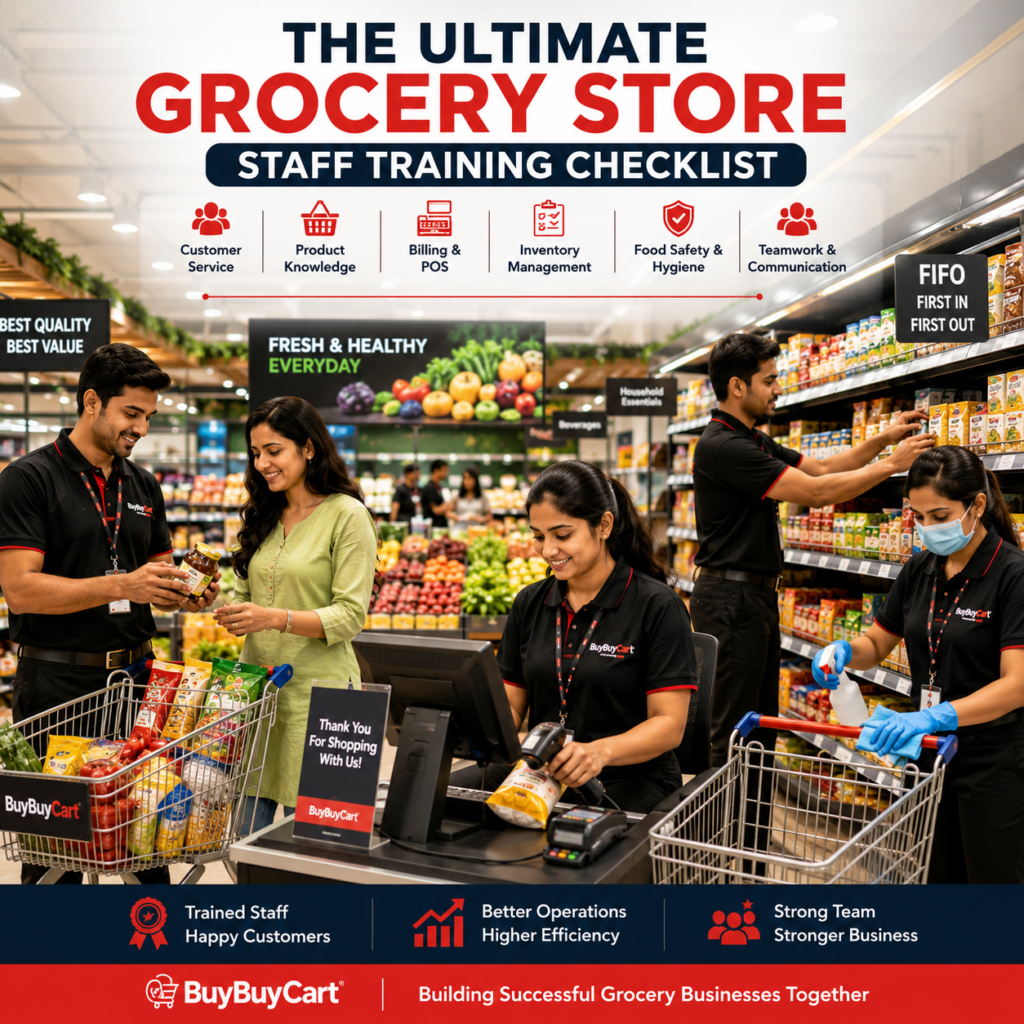
Ultimate Grocery Store Staff Training Checklist

Developing successful supermarket concepts involves a lot more than just purchasing high-quality goods for display. Each customer conversation, payment, and neatly organized shopper aisle is an example of staff members’ professionalism. Whether grocery business owners own a simple grocery store or are developing their own supermarket chain, it all comes down to whether their employees are well-trained and qualified. In the modern competitive grocery retail market, clients expect to receive swift service, correct documentation, and a clean place to shop. To achieve that, employees need to be trained according to a structured training scheme and on a regular basis. This article will provide grocery managers with fundamental ideas for assembling an effective team providing a high-quality shopping experience. Importance of Staff Training in Grocery Stores It is important to remember that each employee is a representative of your brand. For example, the way a cashier behaves, the knowledge of a floor employee about the product, and the efficiency of a stock handler may affect whether customers choose to come back or buy from the competitor. The right training of supermarket staff helps eliminate mistakes in operations, reduce losses of stock, improve the safety of people who work in supermarkets, and build loyalty toward the supermarket. Some companies see training as a one-time thing from the very beginning, while others realize the importance of constant training that takes place in the course of time. Ultimate Grocery Store Staff Training Checklist A well-crafted training program must include all aspects of daily grocery store operations. Each element aids in better performance and improved customer experience. Customer Service Skills Top-notch customer service is the key ingredient for a successful supermarket. Employees must be trained in greeting customers in a friendly manner, answering questions effectively, assisting in finding products, and dealing with difficult situations. For instance, if a customer is unable to find a product, the trained employee needs to provide guidance instead of just pointing to the aisle. Such moments greatly increase customer loyalty. Product Knowledge Customers frequently inquire about product availability, prices, ingredients, expiry dates, and product comparison. Grocery store staff should have a good grasp of all products sold in the store. Employees need training to: When the staff is well-prepared, it creates a comfortable shopping experience and motivates customers to spend extra money. Also Read: 10 Common Mistakes That Fail Grocery Business Billing and POS Training Training staff in the billing process and point-of-sale training is crucial for a supermarket, as the checkout area is one of the most hectic spaces in a supermarket, and billing mistakes can create frustration among customers, leading to distrust. Training should encompass correct barcode scanning, applying discounts appropriately, processing payments through electronic means, dealing with returns, managing the cash register, and solving billing issues in an effective manner. Employees should also learn how to achieve efficiency while maintaining accuracy, which is particularly important during busy shopping hours. Inventory Management In inventory management, inventory control is directly connected to profitability. Supermarket personnel involved in shelf stocking need to possess knowledge related to the rotation of goods on the shelf, stock replenishment, and expiry management. They need to frequently check the shelves to remove damaged items and make sure that high-turnover products are available on the shelves. FIFO method helps reduce wastage while keeping the quality of food intact. Food Safety and Hygiene Food safety ranks among the key duties performed by grocery retailers in their daily operations. For example, grocery store staff should be well-trained in the methods of safe food storage, hygiene practices, cleaning methods, and safe use of produce, dairy products, frozen foods, or snacks. Journals of daily schedule cleaning, handwashing guidelines, and equipment disinfection minimize the impact of food safety violations and save the customers’ health. Handling Customer Complaints No store part is free of complaints; hence, retailers need to know how to handle them properly. Employees have to stay calm, listen carefully, show empathy, offer apologies when needed, and provide suggestions for solutions. The complaint escalations should be outlined in detail so that complex issues will reach the supervisor fast. As a result, a properly addressed complaint can become a source of profit for the store that will stick to the clients better than the shopping process without problems. Store Cleanliness Standards Having a clean supermarket is beneficial because it encourages shoppers to stay longer while shopping and gives them confidence in the quality of the products. The training should cover: Keeping a clean environment is also useful for employees’ safety and efficiency. Team Communication Teamwork is crucial in retailing. Grocery store workers must communicate properly during shift change, stock replenishment, promotional activities, and customer service interactions. Daily team briefings allow employees to know the current priorities, promotion changes, and stock updates, and thus help minimize confusion. Safety Procedures Employee safety is as important as customer safety. Training should include emergency evacuation procedures, fire safety measures, safe lifting techniques, accident reporting, electrical safety, and first-aid knowledge. Prepared employees will be able to respond appropriately to unexpected situations, minimizing risks for everyone in the store. Technologies and Digital Devices Grocery shops in modern times have been depending upon digital methods for managing their goods and inventory management, billing, reporting, as well as customer loyalty schemes, among others. Working staff must be given practical training for operating POS devices, inventory management, and computerized payment systems. Proper training in the use of technologies leads to an increased level of productivity along with decreased errors in personalized management practices. Typical Mistakes In Staff Training Most of the time, sales personnel training is based upon successful practice rather than a systematic approach to the educational process. The common mistakes in personnel training are: Continuous coaching is much better than occasional educational techniques. How Regular Training Improves Grocery Store Performance Continuous employee training produces significant progress in all spheres. Trained employees gain confidence and assist faster, which leads to lower billing errors, better inventory accuracy, and constant compliance with sanitation rules. Trained employees of grocery stores also

Ultimate Grocery Store Staff Training Checklist Read More »
Start a Profitable Grocery Store in India 2026

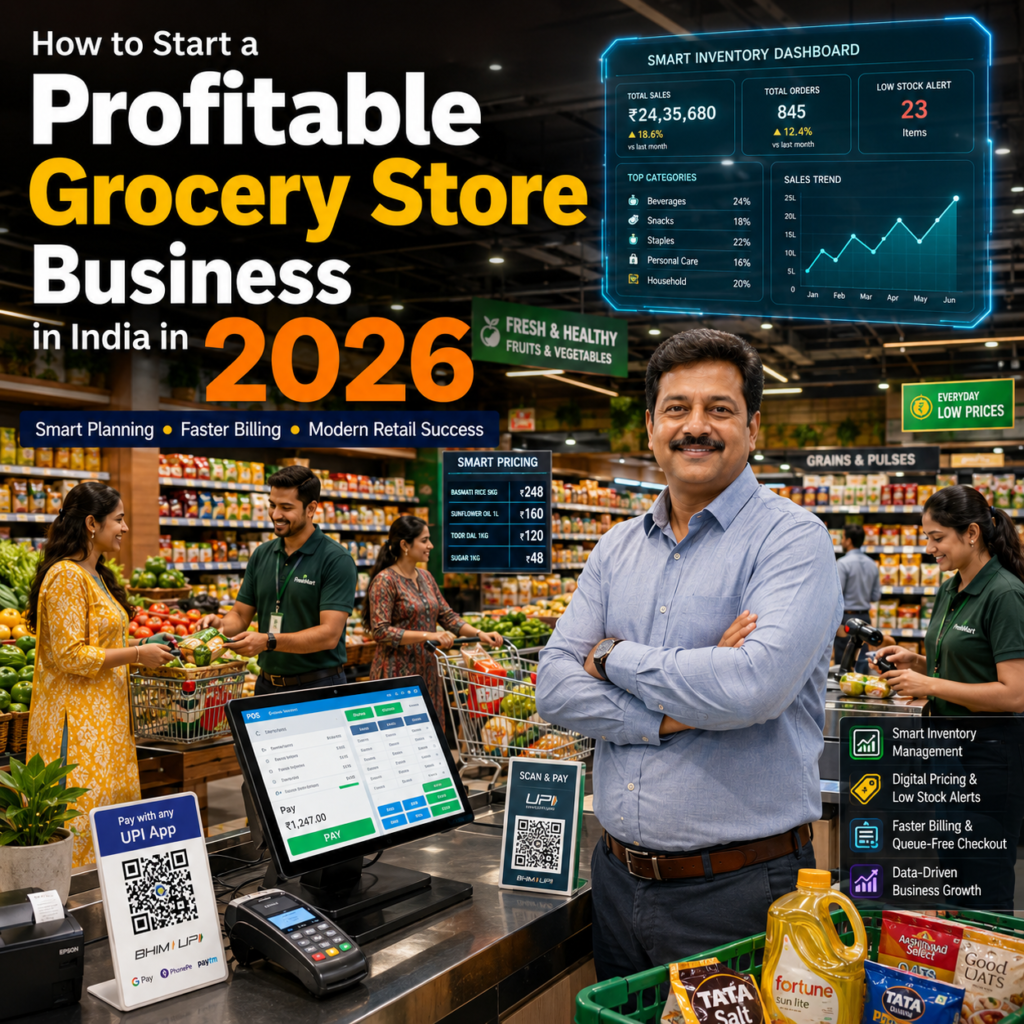
How to Start a Profitable Grocery Store Business in India in 2026

Starting a grocery store business in India is no longer just about opening a small shop and selling daily essentials. In 2026, the grocery retail industry is rapidly evolving, and consumer behaviour is also evolving, as customers want fast billing, cleanliness in-store layouts, availability of products, digital payment methods, and ease of shopping. Customers have changed their shopping expectations for both local Kirana stores and contemporary supermarkets. Although many entrepreneurs view grocery stores as a safe and stable business opportunity in India, as people always have a need for food, household products, dairy products, snack food, and personal care products, profitability depends on how intelligently the grocery store is run. Several grocery store business owners continue to face challenges with long lines at checkout, unclear stock prices, ineffective employees, and higher numbers of complaints from customers, particularly during busy shopping periods. Therefore, if a customer has stood in line for 15 minutes to check out after a long, tiring day, he/she may never return to your store again. Conversely, a well-run grocery store with fast checkouts generates loyal customers and provides referrals to other customers. If you plan to launch a grocery store in India by 2026, this book provides information on the investments, planning, technology, and customer experience that you will require to develop your grocery store into a profitable business. Rapid Growth of Grocery Store Business in India With changing consumer buying patterns, the Indian grocery market is growing quickly. Urban families are looking for shopping that is convenient, quick, uses digital payments, has home delivery services, uses a more modern retail environment, etc. At the same time, many small kirana shops are adapting to change via Point of Sale (POS) systems, barcode billing, and inventory control. Successful grocery retailers today do much more than just sell goods; they are developing a loyal relationship with customers by: 1) Providing a faster checkout experience2) Providing better product availability3) Maintaining clean and organized store environments4) Structuring a fair pricing strategy5) Offering modern forms of convenience through digital technology6) Providing friendly customer service and support. All these changes are providing significant opportunities for aspiring entrepreneurs to get into the grocery store business with adequate planning. Grocery Retail Industry’s Business Model Before you begin your store, you need to decide which kind of grocery store franchise to build. Kirana Store: Kirana stores are best suited for residential neighborhoods and often require a lower capital investment. They typically specialize in daily essentials and have personal relationships with their customers. Mini-Supermarket: A mini-supermarket offers more categories than a kirana store, along with a better display method, creating a better shopping experience. These mini-supermarkets usually serve middle-income families who want convenience. Full-Supermarket: Full supermarkets typically require a larger investment than either a kirana or mini supermarket and include more complex management systems. They tend to be located in high-density urban areas and provide shoppers with all the food items that they need to create a complete grocery purchase. Franchise Grocery Store: Today, many entrepreneurs are choosing grocery franchises because they receive assistance regarding day-to-day operation, have access to a name brand, have the resources of a supplier network, and gain technological assistance. Choosing the appropriate grocery franchise will help eliminate many mistakes that new grocery store business owners make and improve their success. If you are considering joining the retail industry, the best way to understand the day-to-day operation of your grocery store, as well as inventory management and customer retention strategies, is to look for a trusted “Partner With Us” opportunity. Planning Grocery Stores: The First & Foremost Best Way to Start Poor Planning is One of the Main Reasons Grocery Stores Business Fail Many People Open Grocery Stores and spend a Lot of Money on Decorating/Stocking Their Store But Do Not Consider How Customers Move Around Their Store or the bill-paying area, or how the inventory is synchronized with Each Other. Location Is Everything Location is the Number One Reason Why Grocery Store Businesses Succeed A Good Grocery Store Will Usually Be Located In An Area With: Stores that are located in family communities Typically Perform Better Than A Store That Is Located Elsewhere Based On Frequent Visits From Customers (Repeat Customers) To Create The Monthly Sales For The Grocery Store Business. How Much Money Do You Need to Start a Supermarket in India? The costs of opening a supermarket will vary based on things like how big your store will be, where it will be located, what kind of building you’ll need, and what kinds of technology support you will have: Here’s a breakdown of what you can expect to spend on opening a supermarket in 2026:Store Type Approx Investment Some basic items included in opening your supermarket could include: A lot of first-time supermarket owners forget to factor in working capital, or the money they will need to continually support the grocery store business through inventory purchases, as grocery stores need continuous replenishment of fast-moving inventory items. Also Read: How Much Does It Cost to Open a Grocery Franchise in India? How The Use of Faster Billing Processes Can Promote Recurring Customers When business owners think about their grocery store’s long-term success, they usually only think about the price of their products, but providing a good customer experience is just as important, if not more so. Think about someone who buys their groceries at the end of their workday. They complete their shopping fairly quickly, they now have to wait in line for 20 minutes to check out. Most of the time, the negative experience at the checkout will outweigh the positive experience from shopping there. How Faster Checkouts Can Improve Your Grocery Store Business By using a faster billing process, you can achieve: Increased repeat customersDecreased abandoned shopping cartsImproved customer trustBetter crowd control during peak shopping hoursIncreased productivity from your employeesIncreased daily sales volume Common Checkout Mistakes in Grocery Stores Business Grocery stores may not always recognize how much business they lose due to ineffective or inefficient checkout processes.

How to Start a Profitable Grocery Store Business in India in 2026 Read More »

grocery store franchise

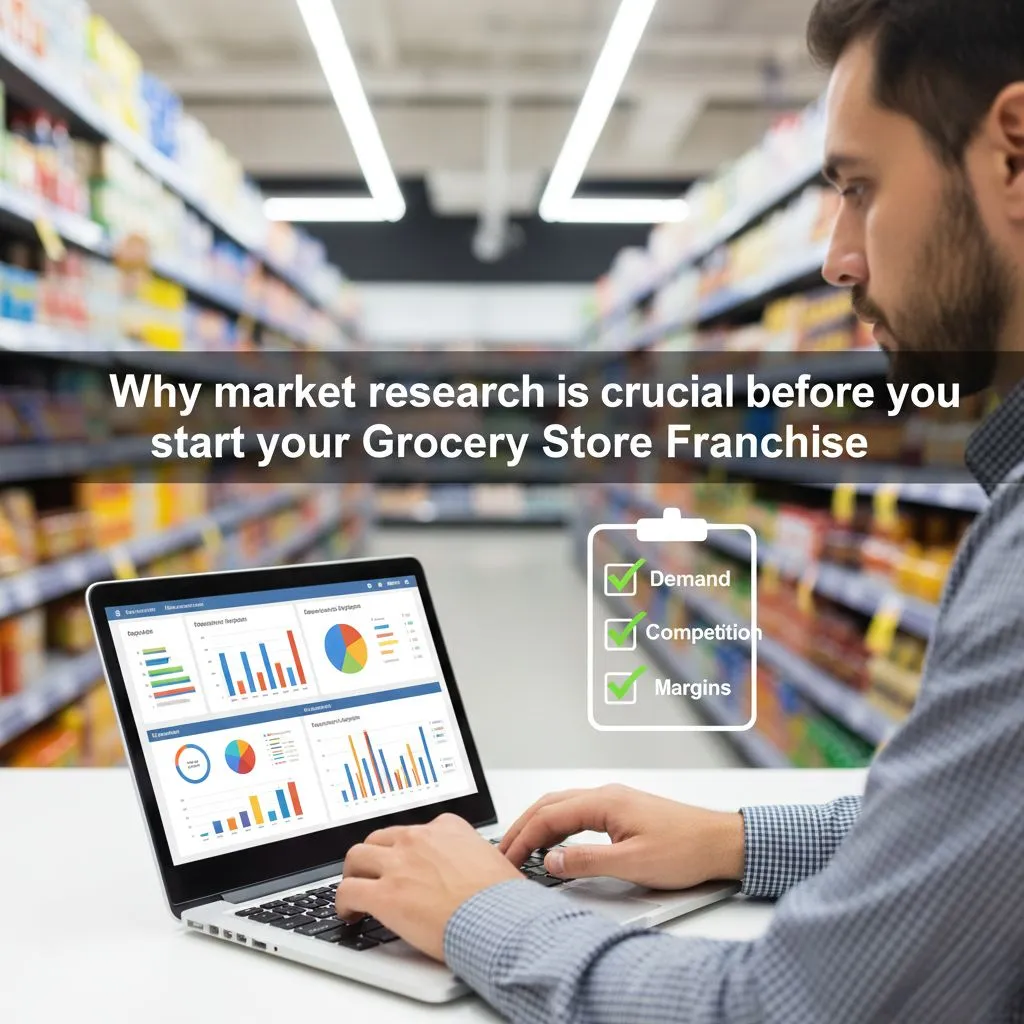
Why market research is crucial before you start your Grocery Store Franchise

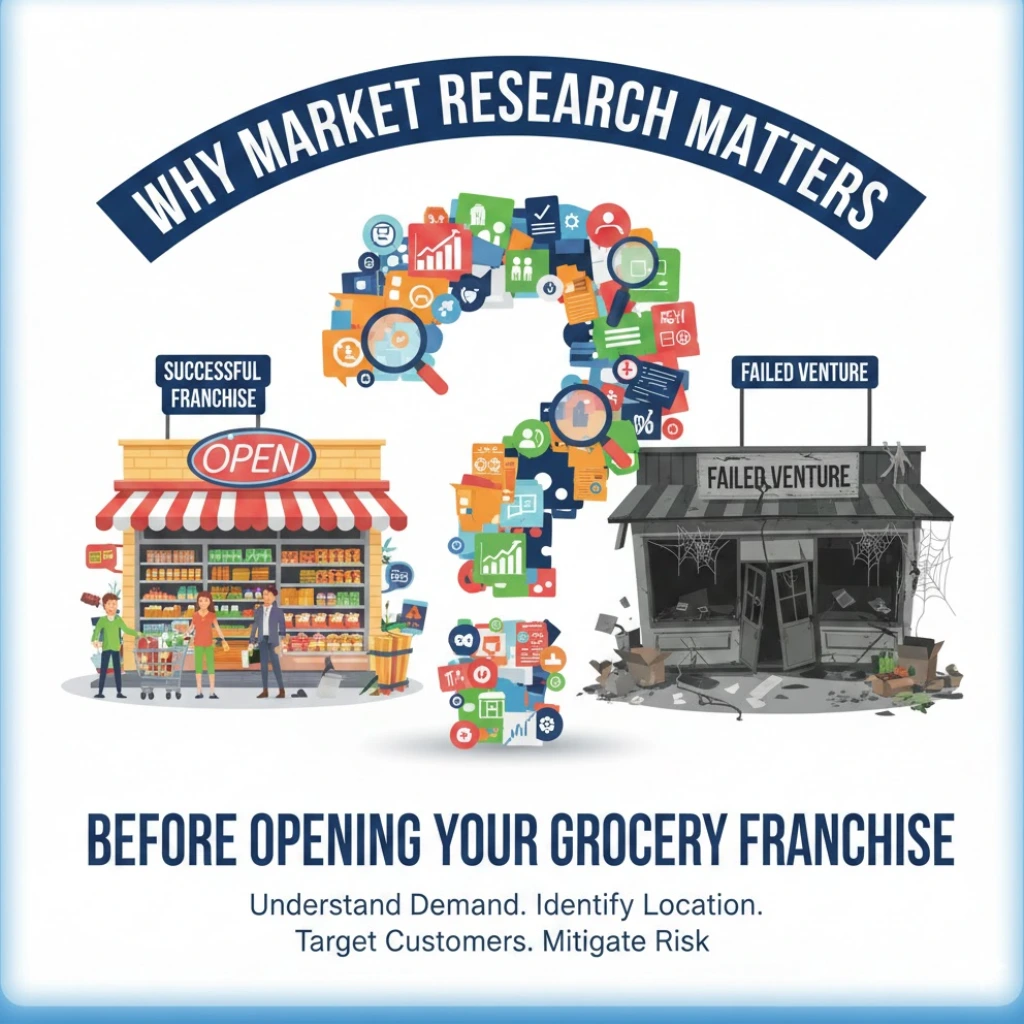
It’s possible to open a Grocery Store franchise in India, and it can be profitable. But there are challenges. Indian retail is varied, competitive, and always changing. Knowledge is more important than capital to navigate successfully in this market. Market research is your best tool. It’s like trying to drive blindfolded. If you don’t have data on the market, even if your franchise brand is the best one out there, it will still be a crash. Market research, whether you’re a new entrepreneur or a seasoned business owner, is essential to building a successful franchise. What is a franchise grocery store? Let’s first define “what” before we get into “why.” You don’t start from scratch when you buy a franchise. The brand you use is well-known and has a proven supply chain, business model, and marketing strategy. You can gain support from a well-known system by paying a fee for the franchise and royalties. Even with a large brand’s support, your outlet will still be successful if you can make it work. It is therefore essential to conduct your own research. Market Research: Its Benefits It’s not just paperwork, but a smart investment. This involves collecting, analyzing, and interpreting data about a particular market. Why it’s important to have a grocery store franchise in India 1. Minimizing Risk Any business venture involves some risk. Researching the market can help you identify possible pitfalls prior to investing your hard-earned cash. Market research can show if an area is saturated with supermarkets or if locals prefer traditional shops over franchises. 2. Understand Local Demand India has a food culture that changes every couple of hundred kilometers. Mumbai’s food habits may not be the same as those in Chennai. You can tailor your stock to local tastes by doing research. This will ensure that you have products on the shelf that are in high demand. 3. Strategic Decision Making Gut feelings are never better than data-based decisions. The research provides insights that are needed to determine realistic sales targets and marketing budgets. What Types of Research Should Be Conducted? You need to consider the market in two different ways: Primary Research You have collected this information yourself. This information is specific to the location of your customers and potential clients. Question locals about their shopping habits. Shop weekly or every day? Are they more likely to buy premium or budget brands? Be in the vicinity. Visit potential competitors to observe what they do well and what they do poorly. Secondary Research It is important to use existing data. Industry reports: Search for industry reports about the Indian retail sector to gain a better understanding of broader trends. Data from the government: Census data can be used to better understand your neighborhood. Also Read: Retail Technology Trends: AI, Smart Shelves & Omnichannel Shopping in Grocery Stores Prioritise your research on these key areas Focus on the following four factors when researching your Grocery Store franchise: 1. Understanding Your Target Market What are the demographics of your customer base? Who are your customers? Analysis of demographics: Age, family size, and income are all factors to consider. In high-income neighborhoods, a retailer may offer imported products and organic food. However, in price-sensitive areas, the focus will be on staples and discounts. Shopper’s Habits: Identify when and where people shop. Understanding whether customers prefer speed to in-store experiences is important with the rapid growth of fast commerce. 2. Analysis of Competitors There will be other players in the market. You’ll have to identify both your direct and indirect competitors. Direct competitors and indirect ones (e.g., local shops, apps such as Blinkit/Zepto, or online stores). SWOT analysis: Find their strengths, weaknesses, opportunities, and threats. Can you provide better access if a competitor’s parking is poor? Can you offer fresh produce if your competitors don’t? 3. Selecting the Best Location Location is key in retail. The grocery store franchise must be visible and accessible. Traffic: Does the shop have a lot of footfall? There is parking available. Does it provide convenience? Is it easy to get in and out? Zoning laws: Make sure the site complies with all licensing and commercial requirements. 4. Pricing Strategies Indians are known for being value-conscious. Pricing must be in line with local economic realities. You can determine whether you want to position your shop as an expensive destination or one that is budget-friendly by researching the average income of households in your locality. Selecting and sourcing products There is no one-size-fits-all. Your franchisor may provide you with a list of products, but there is often flexibility when it comes to the product mix. Favourite Local Products: Stock up on regional favourites. Stocking Gujarat-specific snack products is essential. Specific rice types are a must in the South. Reliability of Suppliers: Although the franchise may supply brand goods, it is possible that you will need to find local suppliers for fresh products (such as milk, vegetables, and bread). It is important to find reliable local suppliers to maintain quality. Marketing and Promotion Research will help you determine how to promote your grand opening. Marketing channels: Do you prefer WhatsApp, inserts in newspapers, or Instagram advertisements? Promos: Check out what works for your competitors. Are “Buy 1 get 1 free” offers more effective than loyalty points? The conclusion of the article is: It is an excellent opportunity to build wealth and serve the community by opening a Grocery Store Franchise in India. It’s not enough to be enthusiastic. You can stop guessing and start knowing by investing in thorough market research. Understanding your customer, respecting your competition, and minimizing your Risk are all things you do when you conduct detailed market research. Do not skip this step. Build a solid foundation using data and see your franchise flourish.

Why market research is crucial before you start your Grocery Store Franchise Read More »

market research is important

Why Market Research is Important Before Opening your Grocery Franchise?

Are you considering opening a supermarket franchise? This is a good business opportunity with high profit potential. Success is not guaranteed. The first thing you need to do is conduct a thorough market study. You can use market research to better understand your customers, your competitors, and your overall economic environment. You can use this knowledge to make smarter decisions and avoid costly mistakes. This guide will tell you why it is important to conduct market research before opening a franchise for a food store in India. It also explains what to do to start a business that succeeds. Why Market Research is Important for Grocery Franchise You should gather information and research the market before investing in a franchise. It is the best way to build a profitable business. This is how it works: Know the Competition. Market research will show you just how many grocery stores there are in your area. You can then determine if your market has too many competitors or whether there is room for you to differentiate yourself. Trend Identifier: This tool helps you identify the newest trends in the food industry. For example, the increasing demand for plant-based or organic products. You can stock products that your customers want. Please get to know your customers: By knowing what they need and want, you can better serve them. You can use this information to offer your customers the best products and services. This will lead to increased sales and loyalty. Better Decisions: By having the correct information, you will be able to make better decisions in regards to everything from pricing and location. The Key Factors to Consider When Researching a Grocery Franchise Focus your research to build a strong foundation for your supermarket franchise. 1. Understanding Your Target Market Knowing your target market is the most crucial part of any research. Demographics of your customers: Take a look at the people in your region. How much do they earn? What is their income level? Analysis of Shopping Behavior: Identify what, where, and when people shop for groceries. Are they more likely to make quick shopping trips, or do you prefer big weekly purchases? Do they have a preference for certain items, such as gluten-free products or vegan alternatives? Stocking the correct products is easier when you understand their habits. 2. Analysis of your competitors You won\’t have the only grocery store in your town. It\’s important to understand your competition. Identify competitors: List direct competitors, such as other grocery stores (and local markets), and indirect competitors. Assess Strengths and Weaknesses: Learn what your competitors are doing well, and how they can improve. It can help you identify gaps in the marketplace that your franchise could fill. This will give you an advantage. 3. Selecting the Best Location Location is a major factor in the success of a grocery franchise. Analysis of Location: Analyze potential locations by examining foot traffic, parking, and accessibility. Customers will be more likely to buy from a location that is visible and accessible. Regulations Locales: Understand the local regulations before signing a contract. This includes health and safety laws and requirements for business licenses. You will avoid any legal problems down the line. Also Read: How to Handle Supply Chain Issues In Supermarket Franchise 4. Set Your Pricing Strategy Your business\’s success or failure can be determined by your pricing. Know Market Prices: Check what other companies charge for products similar to yours. You can then set prices that are competitive and still leave a profit. Price Sensitivity of Consumers: What is the average price that customers are willing to pay in your region? You should be able to tell from your research whether consumers are more concerned with low prices or if they prefer quality and convenience. 5. Choose Your Product It is important to choose the best products for your business in order to attract and retain customers. Select the right product mix: The products you choose should be in line with your market\’s needs. Mix essentials with specialty products to attract a wider customer base. Locate Reliable Suppliers. Look for suppliers that can consistently deliver high-quality goods at an affordable price. A key to long-term business success is building strong relationships with trusted suppliers. 6. Plan Your Marketing You need to have a marketing plan in place for your new franchise. Marketing channels that work: Your research will show you the most effective ways to reach out to your target audience. You can reach your audience through local newspapers, social media, or events in the community. Develop a unique value proposition: Why is your supermarket franchise different? Make sure you clearly communicate what makes your grocery franchise different from others. Building Your Success through Research A grocery franchise can be a lucrative venture. But its success begins with thorough market research. Understanding your market, customers, and competitors will help you build a sustainable and profitable business. What is your opinion of the most crucial factor that should be researched before starting up a new business? Comment below and share your ideas!

Why Market Research is Important Before Opening your Grocery Franchise? Read More »

grocery store franchise in india

What is the best way to market your Grocery Store Franchise in India?

A grocery franchise is an excellent investment in India, as you will be able to tap into a market with a value of over Rs 31 trillion. Owning a franchise is just the beginning. You need to have a marketing strategy that will attract loyal customers if you want your business to succeed. This guide provides simple but effective marketing strategies that will help you grow your Indian grocery franchise. Building a strong foundation with your brand You need to know what makes your shop unique before you market it. Branding is about more than a logo. It\’s an experience. Humanize Your Brand Faceless corporations are not as appealing to people. Tell the tale of your business. Share your employees\’ dedication to service on social media. By showing the human face of your company, you can build trust with your customers and create a connection. Customers will feel as if they\’re shopping with their friends. Concentrate on Expertise and Trust Demonstrate to your clients that you can be trusted for all their needs. Make sure your shop is well organized, clean, and filled with quality products. Your staff should be well-versed in the products that you sell. Customers will prefer your store if they trust you. It is important to market your Indian grocery franchise effectively. The Customer Experience is Prioritized Your most effective marketing tool is a great customer experience in your store. Happy customers will return and refer their friends. Create a Welcoming Environment Make your shop easy to find. Keep the aisles wide and the signs clear. Also, ensure that the store layout is logical. Shopping in a clean, bright, and well-lit store is more enjoyable. Urban families are likely to spend the majority of their earnings on food, and they prefer convenient shopping. Service Exceptional A helpful and friendly staff can make a normal shopping experience into an enjoyable one. Encourage staff to smile, greet, assist, and answer questions with a friendly attitude. It is easy but very effective to build your customer base and market your Indian grocery franchise by providing excellent service. Increase your Reach with Digital Marketing Digital marketing is important for any business. You can connect to new clients and keep in touch with your existing customers. Target Relevant Keywords You want to be found when people look up \”grocery stores near me\” and \”best deals on groceries in town\”. Your website, Google Business Profile, and other online content should include local keywords. Use phrases such as \”grocery franchise in delhi\”, for example, to draw local search traffic. Encourage Engagement on Social Media Engage your audience on social media sites like Facebook or Instagram. Update your community with new product updates, store events, and special offers. Ask questions or run contests to get people talking and sharing. The interaction will keep your store at the forefront of your customers\’ minds and build a brand community. Also Read: Grocery Store Franchises in India: Local Sourcing Builds Trust Connect with Your Community Joining your community in India can help your franchise grow. Encourage customer interaction You can ask for feedback by using surveys or comment cards. React to online reviews, positive or negative. It is important to show that you care about customer feedback. Customers are more likely to become brand advocates when they feel that their opinions have been heard. Get Local Mentions and Backlinks Join forces with bloggers in your area, local community groups, or businesses. By linking to your site or mentioning your business, they boost your online authority. They also introduce your franchise to new audiences. Sponsoring an event in your area can result in positive media coverage and backlinks. The Path to Success in Marketing It\’s not difficult to market your Indian grocery franchise effectively. You can retain customers by focusing on building your brand and providing a great customer experience. This cycle will bring more customers to your grocery store as happy clients spread the news. Implement these tips now to make sure your grocery franchise survives and thrives.

What is the best way to market your Grocery Store Franchise in India? Read More »

Best Strategies to Create a Supermarket Layout for Higher Sales

Introduction to Supermarket Layout Design The design of a supermarket layout isn’t just about arranging shelves and products — it’s a science that combines psychology, marketing, and operational efficiency. The best strategies to create a supermarket layout for higher sales ensure customers stay longer, see more, and spend more. In this article, we’ll explore actionable techniques backed by research and real-world success stories, helping you design or revamp your supermarket to boost profits and customer satisfaction. Why Supermarket Layout Matters for Sales A well-thought-out supermarket layout guides customers seamlessly while subtly encouraging impulse purchases and higher spending. Impact of Customer Psychology Humans are creatures of habit. Supermarket layouts that cater to subconscious shopping behaviors — like placing essentials at the back to expose customers to more products — can dramatically increase sales. Case Studies of Successful Supermarket Layouts Major chains like Tesco and Walmart consistently test and optimize layouts. Tesco, for example, increased bakery sales by moving ovens closer to the entrance to release the aroma of fresh bread. Key Principles of an Effective Supermarket Layout Understanding Customer Flow Customers usually turn right upon entering and navigate counterclockwise. Designing aisles and displays to complement this natural flow keeps traffic moving and reduces congestion. Maximizing Product Visibility High-profit and impulse-buy products should be placed at eye level. End caps (the ends of aisles) are prime real estate for promotions. Enhancing Shopping Comfort Wide aisles, proper lighting, and clear signage make the experience pleasant, encouraging shoppers to linger and buy more. Best Strategies to Create a Supermarket Layout for Higher Sales Here are the most effective strategies you can implement right now: Designing the Entrance Area to Attract Shoppers The entrance sets the tone. Fresh flowers, produce, or baked goods create a welcoming, sensory-rich first impression. Creating a Natural Pathway through the Store Use floor patterns, lighting, and displays to subtly direct customers through the store without confusion. Strategic Placement of High-Margin Products Place premium products in high-traffic areas and essentials further back, ensuring customers walk past other tempting items. Optimizing Checkout Zones Checkout areas are perfect for small, impulse-buy items like candy, magazines, or batteries. Ensure queues are managed well to avoid frustration. Advanced Techniques for Boosting Sales through Layout Using Colour and Lighting Effectively Warm colours (red, orange) can stimulate appetite, while bright lighting enhances product appeal. Incorporating Digital Signage and Technology Interactive displays and digital price tags can engage customers and offer dynamic promotions. Seasonal and Promotional Adjustments Rotate displays to highlight seasonal products or ongoing deals, keeping the store fresh and exciting. Common Mistakes to Avoid in Supermarket Layout Design Overcrowding aisles with products Poor signage that confuses customers Ignoring customer flow and creating bottlenecks Not updating layouts periodically Measuring the Success of Your Layout Key Performance Indicators (KPIs) to Track Average transaction value Dwell time per customer Sales per square foot Customer Feedback and Iterative Improvements Regular surveys and observation can reveal pain points and opportunities for enhancement. FAQs 1. What is the best layout for a small supermarket? A racetrack layout works well, guiding customers through a loop while maximizing product exposure. 2. How often should I change my supermarket layout? Minor tweaks every quarter and major redesigns every 3–5 years help keep the store fresh. 3. Does music affect supermarket sales? Yes, soft and slow-paced music can encourage customers to shop longer and buy more. 4. Should I place high-demand items at the front? No — putting essentials at the back ensures customers walk past more products. 5. How wide should supermarket aisles be? Aisles should typically be 4–6 feet wide, balancing product space with customer comfort. 6. Can technology improve supermarket layout effectiveness? Absolutely — heat maps, digital signage, and smart shelves can optimize layouts in real time. Conclusion Designing a supermarket layout with strategy and intent is one of the most powerful ways to increase sales and enhance customer satisfaction. By applying the best strategies to create a supermarket layout for higher sales — from understanding customer psychology to leveraging technology — you can turn your store into a profitable, customer-friendly space. Remember: your layout is never “finished.” Keep observing, testing, and improving.

Best Strategies to Create a Supermarket Layout for Higher Sales Read More »

Most Common Errors People Make When Opening a Grocery Store Franchise

Introduction: Why Avoiding Errors Matters Opening a Grocery Store Franchise In India is not as simple as unlocking the doors and waiting for customers to come in. It requires careful planning, market understanding, and good management. Avoiding the common errors that many others make will save you from unnecessary stress and financial loss. Understanding the Grocery Store Franchise Business A grocery franchise provides a tested business model and brand recognition. But running it successfully still depends on how well you handle operations, staff, finances, and customer service. Let’s go through the most frequent errors and how to prevent them. Underestimating Initial Investment How much does it really cost? One big error is thinking the franchise fee and rent are all you’ll need. In reality, you’ll also pay for equipment, staff training, inventory, licenses, and operating costs before profits start rolling in. Suggestion: Create a detailed budget with help from the franchisor and an advisor, including a cushion for unexpected expenses. Choosing the Wrong Location What makes a good location? A poor location can hurt even the strongest brands. Look for high visibility, easy access, good parking, and steady foot traffic. Suggestion: Work with a real estate professional who understands the needs of a grocery store business. Ignoring Market Research Understanding your target customers Many owners forget to check if their products fit local needs. Your neighbourhood may need organic, ethnic, budget, or premium options — or a mix. Suggestion: Study your local demographic and adjust your offerings to match what your customers actually want. Poor Inventory Management Over-ordering and under-ordering stock Too much inventory leads to waste, while too little disappoints customers. Suggestion: Use reliable inventory software and watch sales patterns to keep stock balanced and fresh. Not Following Franchise Guidelines Why rules matter in a franchise Franchise brands succeed because of consistency. Failing to follow their guidelines on branding, products, or operations can lead to penalties or even losing the franchise. Suggestion: Stay in regular contact with your franchisor and follow their playbook closely. Hiring the Wrong Team The importance of good staff Your team is your biggest asset. Unfriendly, untrained, or unmotivated staff can drive away customers and hurt sales. Suggestion: Take time to hire carefully, train thoroughly, and create a positive workplace culture. Overlooking Marketing Efforts Building your brand locally Even with a big-name franchise, you still need to attract and retain customers in your area. Suggestion: Invest in local advertising, social media, events, and promotions to keep your store top of mind. Failing to Manage Cash Flow Keeping your finances healthy Running out of money is one of the top reasons businesses fail. Suggestion: Monitor your income and expenses carefully, and keep a reserve for unexpected slow periods. Neglecting Customer Service Why happy customers come back Even if your prices are great and your shelves are full, poor service can turn customers away. Suggestion: Train your staff to be helpful and friendly, and handle complaints quickly and professionally. Not Planning for Competition Staying ahead in a crowded market Competitors — from other stores to online grocery services — are always nearby. Suggestion: Watch what competitors are doing and offer something better, whether it’s superior service, unique products, or loyalty rewards. Frequently Asked Questions Q1: How much money do I need to start a grocery store franchise? A: It varies by brand and location, but plan for the franchise fee, rent, inventory, equipment, staff, and at least 6 months of operating costs. Q2: How soon can I expect profits? A: Most stores take 1–2 years to turn a profit, though it depends on your location, management, and market conditions. Q3: Do I need prior experience in retail? A: Not always, but retail or management experience makes a big difference in how smoothly things run. Q4: What’s the hardest part about running a grocery store franchise? A: Keeping costs under control while keeping customers happy is a common challenge. Q5: How can I bring more customers to my store? A: Focus on great service, local promotions, and products that fit your community’s needs. Q6: Can I customize my store’s layout or inventory? A: Usually, you must follow franchise standards, but some franchisors allow flexibility depending on the agreement. Conclusion: Set Yourself Up for Success Opening a grocery store franchise is a great way to own your own business, but it comes with challenges. By understanding and avoiding these common errors, you give yourself the best chance at building a profitable, respected store in your community. With smart planning and a focus on customers, you can grow your franchise into a lasting success.

Most Common Errors People Make When Opening a Grocery Store Franchise Read More »

Problems You Might Face When Running a Grocery Store Franchise

Running a grocery store franchise can seem like a dream business—stable demand, strong brand support, and a ready customer base. But like any business, it comes with its fair share of challenges. Whether you’re just starting or already running a store, knowing these problems ahead of time can help you plan better and avoid major pitfalls. Let’s dive into the most common issues you might face and how to manage them wisely. 1. High Startup Costs and Franchise Fees Starting a grocery store franchise isn\’t cheap. Even with brand backing, you’ll need to cover: Initial franchise fee (often in the tens of thousands of dollars) Real estate and construction costs Equipment and inventory Marketing and signage Many new franchisees underestimate how much money they\’ll need up front and during the first year of operations. This can lead to cash flow issues. Tip: Always overestimate your startup budget and have a financial buffer in place. 2. Strict Franchise Rules and Limited Flexibility When you join a franchise, you must follow the parent company’s guidelines. These can include: Product sourcing restrictions Uniform pricing policies Store layout and design requirements Marketing and promotions While these rules protect the brand, they can limit your ability to make decisions based on local customer preferences or reduce costs. Tip: Review the Franchise Disclosure Document (FDD) carefully before signing any agreement. 3. Staffing Challenges Like many retail businesses, grocery store franchises struggle with staffing. Common issues include: High employee turnover Difficulty hiring reliable and experienced workers Managing work schedules and employee conflicts This becomes more stressful during holidays or peak shopping seasons. Tip: Offer competitive pay, flexible hours, and proper training to retain your best employees. 4. Inventory Management and Supply Chain Disruptions Running out of key products can damage your store’s reputation. But managing inventory in a grocery business is tough, especially with perishable goods. You might face: Delayed deliveries Shortages due to supply chain issues Overstocking or understocking Shrinkage due to theft or spoilage Tip: Use inventory tracking software and monitor supplier performance closely. 5. Intense Local Competition Even with a big brand name, your franchise may be competing with: Other grocery chains Local independent stores Discount retailers Online grocery services Winning over loyal customers in a competitive area takes consistent effort and excellent service. Tip: Focus on customer experience and community involvement to stand out. 6. Meeting Customer Expectations Today’s shoppers expect more than just shelves stocked with goods. They look for: Clean and well-organized stores Fast checkout and online ordering options Good customer service Healthier and sustainable product options Failing to meet these expectations can hurt your reputation and sales. Tip: Stay updated on consumer trends and train your staff regularly to meet service standards. 7. Profit Margin Pressures Grocery stores generally operate on thin margins. Franchises also have to pay: Ongoing royalty fees Marketing contributions Supply chain markups On top of that, rising costs for labor, rent, and utilities can make it even harder to stay profitable. Tip: Regularly review your pricing strategy, cut unnecessary expenses, and look for ways to boost average basket size. Conclusion Owning a grocery store franchise can be rewarding, but it\’s not without its challenges. From managing staff to handling inventory and navigating corporate rules, there\’s a lot to juggle. However, by understanding these common problems in advance and planning smartly, you can increase your chances of long-term success. Frequently Asked Questions (FAQs) 1. Is owning a grocery store franchise profitable?Yes, it can be, but profits depend on location, competition, and how well you manage the business. 2. How much does it cost to open a grocery store franchise?It can range from $150,000 to over $1 million depending on the brand, location, and store size. 3. What are the biggest risks in running a franchise?Major risks include high operating costs, competition, and strict franchise rules that limit flexibility. 4. Can I choose my own suppliers in a grocery franchise?Usually, no. Most franchisors require you to use approved suppliers to maintain brand consistency. 5. How do I reduce employee turnover in my store?Offer better training, flexible shifts, fair wages, and a positive work environment. 6. What’s the biggest challenge for grocery franchises today?Balancing supply chain stability and customer expectations in a post-pandemic retail environment.

Problems You Might Face When Running a Grocery Store Franchise Read More »

Exploring Grocery Franchise Opportunities: A Pathway to Success

In a increasingly moving towards convenience, grocery franchises a unique opportunity for entrepreneurs. With steady and numerous business models to choose from, entering the grocery franchise sector can be a rewarding venture. you are passionate about providing fresh produce, gourmet foods, or organic options, this article will explore the various aspects, benefits, and considerations of grocery franchise opportunities. Why Choose a Grocery Franchise? The grocery sector is an essential component of everyday life, making it a resilient industry. Choosing a grocery franchise allows you to leverage an established brand while benefiting from support and resources. Here are some compelling reasons to consider: Steady Demand Essential Goods: Groceries are daily necessities for every household, ensuring consistent demand. Resilience: Unlike many other industries, grocery stores often thrive even during economic downturns. Established Brand Recognition Trust & Quality: Joining a recognized franchise provides instant credibility that can attract customers more readily than a new, independent store. Support & Training Operational Guidance: Most franchises offer comprehensive training programs, helping you learn about operations, supply chains, and customer service. Marketing Materials: Benefit from pre-established marketing strategies designed to promote the brand effectively. Each of these factors contributes to a more secure entry into the entrepreneurial world compared to starting from scratch. Types of Grocery Franchise Opportunities Grocery franchises come in various shapes and sizes, catering to different markets. Here’s a closer look at some popular types: Supermarket Chains Description: Large, full-service grocery stores that provide a wide range of products. Examples: Franchise models such as Albertsons and Safeway offer strong business backing. Specialty Grocers Description: Stores focusing on niche markets, such as organic or gourmet foods. Examples: Whole Foods Market provides a premium branding experience targeting health-conscious consumers. Convenience Stores Description: Smaller stores that offer everyday essentials and often operate in high-traffic areas. Examples: 7-Eleven franchises capitalize on quick shopping experiences for busy customers. Online Grocery Delivery Services Description: Expanding rapidly, many grocery franchises are leveraging e-commerce to provide home delivery services. Examples: Instacart partners with different grocery stores, increasing accessibility. These options allow franchisees to choose a model that aligns with their interests and market demands. Factors to Consider Before Investing While the idea of running a grocery franchise may sound appealing, it’s crucial to assess various factors before diving in. Here are some key considerations: Initial Investment Startup Costs: Understand the financial commitment involved, including franchise fees and equipment purchases. Ongoing Royalties: Most franchises require a percentage of profits to be paid back to the parent company. Be sure this aligns with your financial goals. Location Analysis Demographics: Research your target area to ensure there’s a demand for your franchise. Factors such as population density, average income, and lifestyle choices can influence your success. Competitor Landscape: Know who your competitors are and how you can differentiate your business from theirs. Franchise Agreement Terms and Conditions: Carefully read through the franchise agreement. It outlines your responsibilities, rights, fees, and duration of the contract. Exit Strategy: Understand what options you have if you need to sell or exit the franchise in the future. Success Stories: Learning from Others Looking at the journeys of successful grocery franchisees can provide inspiration and insight. For instance, Jane, a former corporate employee, switched to owning a local franchise of a national supermarket chain. She enjoyed substantial support from her franchisor and within two years increased her store’s revenue by 50% through community engagement initiatives and a loyalty program. Key Takeaway Success often stems from understanding your market, knowing your customers, and actively engaging with the community. Conclusion: Taking the Next Step Grocery franchise opportunities can pave a fulfilling path for those willing to put in the hard work and dedication necessary for success. With steady demand, brand recognition, and accessibility, they offer an appealing business model for prospective franchisees. Before you embark on your journey, take the time to explore different types of franchises, assess your local market, and understand the financial commitments involved. Ultimately, this research will guide you toward making informed decisions that align with both your ambitions and personal values. If you’re ready to turn your entrepreneurial dreams into reality, consider exploring reputable franchises today! For more information on franchise opportunities, visit resources such as Franchise Direct or the International Franchise Association. “The best time to plant a tree was twenty years ago. The second best time is now.” — Chinese Proverb. Now is the perfect moment to dive into the grocery franchise world. Happy franchise hunting!

Exploring Grocery Franchise Opportunities: A Pathway to Success Read More »

Exploring the Best Grocery Franchises: Why BuyBuyCart is a Top Choice

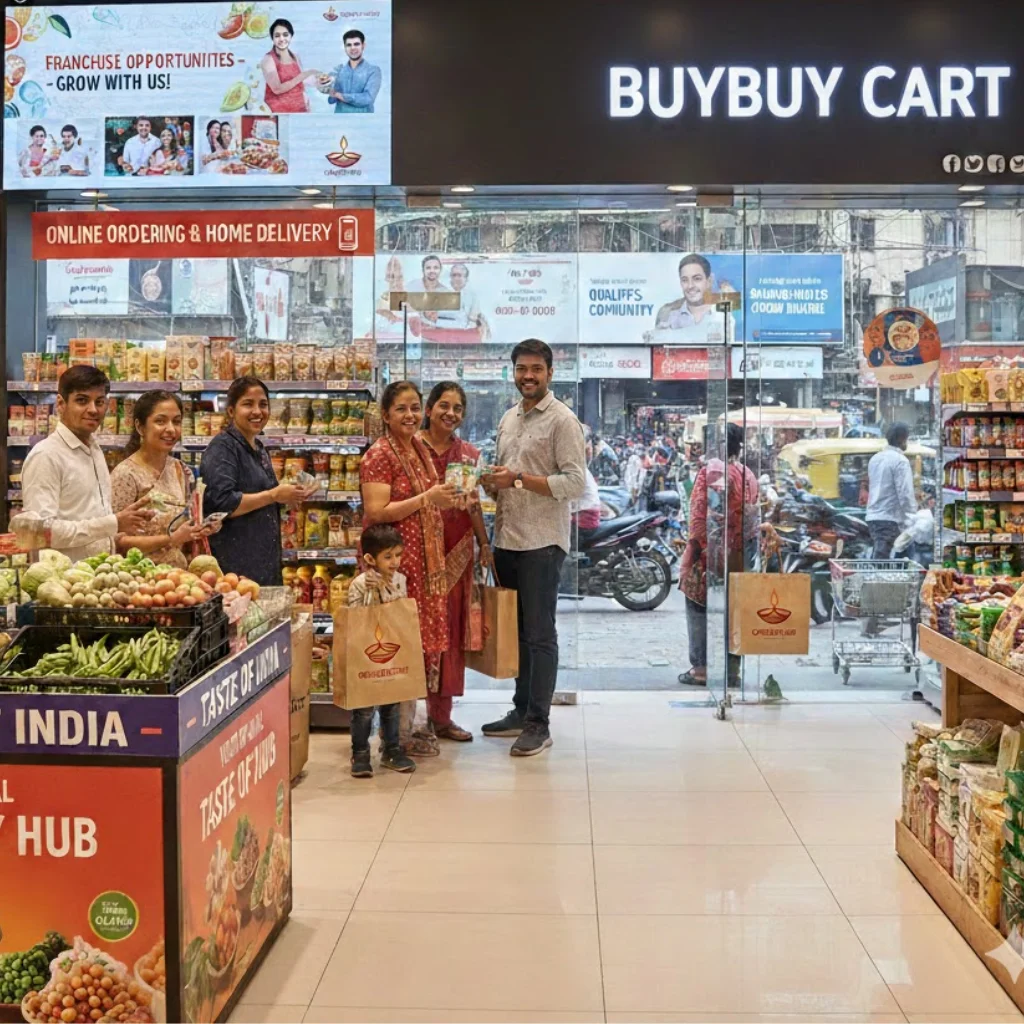
In the ever-evolving retail landscape, grocery franchises have emerged as a lucrative opportunity for aspiring entrepreneurs. As consumer habits shift towards convenience and quality, investing in a grocery franchise has become an attractive option for those looking to carve their niche in the market. Among the myriad of choices available, BuyBuyCart stands out as a leading grocery franchise, combining affordability with quality products and exceptional customer service. In this blog post, we will explore the benefits of grocery franchises, delve into popular franchise options, and highlight why BuyBuyCart should be your franchise of choice. The Appeal of Grocery Franchises Grocery franchises offer several advantages that make them an appealing investment: Established Brand Recognition: When you invest in a grocery franchise, you benefit from the brand’s established reputation. Customers are more likely to choose a familiar name over an unknown independent store. BuyBuyCart, with its commitment to quality and affordability, has gained significant recognition in the market. Comprehensive Support System: One of the most significant advantages of franchising is the support you receive from the franchisor. This includes training in operations, marketing strategies, and customer service. BuyBuyCart provides extensive training to ensure that franchisees are well-equipped to manage their stores effectively. Lower Risk of Failure: Starting a new business can be fraught with risks. However, grocery franchises come with a proven business model, which significantly lowers the risk of failure. You can benefit from the experience and lessons learned by previous franchisees. Popular Grocery Franchise Options With many grocery franchises available, choosing the right one can be overwhelming. Here are some of the most popular options: 7-Eleven: Known for its convenience store model, 7-Eleven is a global brand that offers a diverse range of products, making it a go-to option for quick grocery shopping. Aldi: Renowned for its budget-friendly approach, Aldi has carved a niche in the grocery sector by offering high-quality products at lower prices, attracting price-sensitive consumers. Costco: As a wholesale retail giant, Costco’s business model revolves around bulk buying and membership perks, appealing to families and bulk shoppers alike. BuyBuyCart: This rising grocery franchise emphasizes quality products and customer satisfaction. It has gained traction for its affordable prices and a wide selection of items, making it an attractive choice for both franchisees and customers. Why BuyBuyCart Stands Out When it comes to grocery franchises, BuyBuyCart has several unique advantages that set it apart from the competition: Diverse Product Range: BuyBuyCart offers a comprehensive selection of products, from fresh produce and organic items to household essentials and gourmet foods. This variety ensures that customers can find everything they need in one location, enhancing their shopping experience. Affordable Investment: One of the most appealing aspects of BuyBuyCart is its lower entry cost compared to larger grocery franchises. This makes it accessible for aspiring entrepreneurs who may not have significant capital to invest upfront. Customer-Centric Approach: BuyBuyCart is dedicated to delivering excellent customer service. The franchise prioritizes customer feedback and continuously seeks ways to enhance the shopping experience. This commitment to satisfaction fosters customer loyalty, leading to repeat business. Embracing Technology: In today’s digital age, technology plays a crucial role in retail success. BuyBuyCart embraces modern technology by offering online shopping options, loyalty programs, and an intuitive mobile app. These features not only improve customer engagement but also streamline operations for franchisees. Getting Started with a BuyBuyCart Franchise Embarking on your journey as a BuyBuyCart franchisee is straightforward. Here’s how you can get started: Initial Inquiry: Visit the BuyBuyCart website to express your interest in becoming a franchisee. Fill out an inquiry form to receive more information about franchise opportunities. Franchise Application: Once you’ve gathered the necessary information, submit your franchise application. This step typically involves providing details about your background and financial capabilities. Franchise Training Program: Upon approval, you’ll be enrolled in BuyBuyCart’s comprehensive training program. This program covers all aspects of running the franchise, including store operations, inventory management, and marketing strategies. Store Launch: After completing the training, you’ll be ready to launch your BuyBuyCart franchise. The company provides ongoing support, ensuring you have the tools and resources necessary for success. Download Brochure Marketing Your BuyBuyCart Franchise To ensure the success of your BuyBuyCart franchise, implementing effective marketing strategies is essential. Here are some tips: Leverage Social Media: Use platforms like Facebook, Instagram, and Twitter to promote your store, share special offers, and engage with customers. Local Advertising: Invest in local advertising, such as flyers, community events, and sponsorships, to raise awareness about your store. Loyalty Programs: Consider implementing a loyalty program to encourage repeat business. Reward customers for their purchases, and offer exclusive deals to loyal patrons. Conclusion Investing in a grocery franchise can be a rewarding venture, and BuyBuyCart is an excellent option for aspiring franchisees. With its established brand, affordable investment, and customer-centric approach, BuyBuyCart provides the tools and support needed for success. Whether you’re a seasoned entrepreneur or new to the business world, exploring the opportunities within the grocery franchise sector could lead to a fulfilling and profitable career.

Exploring the Best Grocery Franchises: Why BuyBuyCart is a Top Choice Read More »