buybuycart.com

grocery supermarket

grocery store franchise

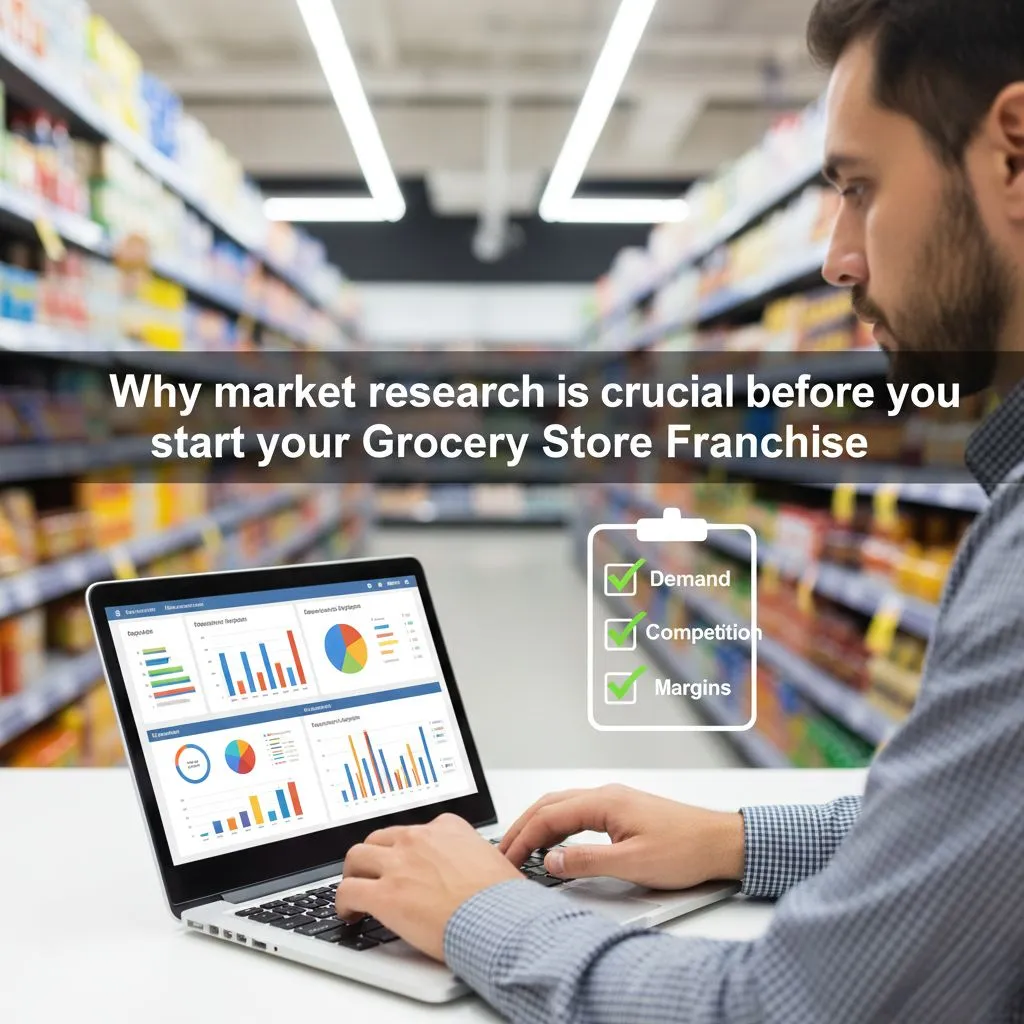
Why market research is crucial before you start your Grocery Store Franchise

It’s possible to open a Grocery Store franchise in India, and it can be profitable. But there are challenges. Indian retail is varied, competitive, and always changing. Knowledge is more important than capital to navigate successfully in this market. Market research is your best tool. It’s like trying to drive blindfolded. If you don’t have data on the market, even if your franchise brand is the best one out there, it will still be a crash. Market research, whether you’re a new entrepreneur or a seasoned business owner, is essential to building a successful franchise. What is a franchise grocery store? Let’s first define “what” before we get into “why.” You don’t start from scratch when you buy a franchise. The brand you use is well-known and has a proven supply chain, business model, and marketing strategy. You can gain support from a well-known system by paying a fee for the franchise and royalties. Even with a large brand’s support, your outlet will still be successful if you can make it work. It is therefore essential to conduct your own research. Market Research: Its Benefits It’s not just paperwork, but a smart investment. This involves collecting, analyzing, and interpreting data about a particular market. Why it’s important to have a grocery store franchise in India 1. Minimizing Risk Any business venture involves some risk. Researching the market can help you identify possible pitfalls prior to investing your hard-earned cash. Market research can show if an area is saturated with supermarkets or if locals prefer traditional shops over franchises. 2. Understand Local Demand India has a food culture that changes every couple of hundred kilometers. Mumbai’s food habits may not be the same as those in Chennai. You can tailor your stock to local tastes by doing research. This will ensure that you have products on the shelf that are in high demand. 3. Strategic Decision Making Gut feelings are never better than data-based decisions. The research provides insights that are needed to determine realistic sales targets and marketing budgets. What Types of Research Should Be Conducted? You need to consider the market in two different ways: Primary Research You have collected this information yourself. This information is specific to the location of your customers and potential clients. Question locals about their shopping habits. Shop weekly or every day? Are they more likely to buy premium or budget brands? Be in the vicinity. Visit potential competitors to observe what they do well and what they do poorly. Secondary Research It is important to use existing data. Industry reports: Search for industry reports about the Indian retail sector to gain a better understanding of broader trends. Data from the government: Census data can be used to better understand your neighborhood. Also Read: Retail Technology Trends: AI, Smart Shelves & Omnichannel Shopping in Grocery Stores Prioritise your research on these key areas Focus on the following four factors when researching your Grocery Store franchise: 1. Understanding Your Target Market What are the demographics of your customer base? Who are your customers? Analysis of demographics: Age, family size, and income are all factors to consider. In high-income neighborhoods, a retailer may offer imported products and organic food. However, in price-sensitive areas, the focus will be on staples and discounts. Shopper’s Habits: Identify when and where people shop. Understanding whether customers prefer speed to in-store experiences is important with the rapid growth of fast commerce. 2. Analysis of Competitors There will be other players in the market. You’ll have to identify both your direct and indirect competitors. Direct competitors and indirect ones (e.g., local shops, apps such as Blinkit/Zepto, or online stores). SWOT analysis: Find their strengths, weaknesses, opportunities, and threats. Can you provide better access if a competitor’s parking is poor? Can you offer fresh produce if your competitors don’t? 3. Selecting the Best Location Location is key in retail. The grocery store franchise must be visible and accessible. Traffic: Does the shop have a lot of footfall? There is parking available. Does it provide convenience? Is it easy to get in and out? Zoning laws: Make sure the site complies with all licensing and commercial requirements. 4. Pricing Strategies Indians are known for being value-conscious. Pricing must be in line with local economic realities. You can determine whether you want to position your shop as an expensive destination or one that is budget-friendly by researching the average income of households in your locality. Selecting and sourcing products There is no one-size-fits-all. Your franchisor may provide you with a list of products, but there is often flexibility when it comes to the product mix. Favourite Local Products: Stock up on regional favourites. Stocking Gujarat-specific snack products is essential. Specific rice types are a must in the South. Reliability of Suppliers: Although the franchise may supply brand goods, it is possible that you will need to find local suppliers for fresh products (such as milk, vegetables, and bread). It is important to find reliable local suppliers to maintain quality. Marketing and Promotion Research will help you determine how to promote your grand opening. Marketing channels: Do you prefer WhatsApp, inserts in newspapers, or Instagram advertisements? Promos: Check out what works for your competitors. Are “Buy 1 get 1 free” offers more effective than loyalty points? The conclusion of the article is: It is an excellent opportunity to build wealth and serve the community by opening a Grocery Store Franchise in India. It’s not enough to be enthusiastic. You can stop guessing and start knowing by investing in thorough market research. Understanding your customer, respecting your competition, and minimizing your Risk are all things you do when you conduct detailed market research. Do not skip this step. Build a solid foundation using data and see your franchise flourish.

Why market research is crucial before you start your Grocery Store Franchise Read More »

market research is important

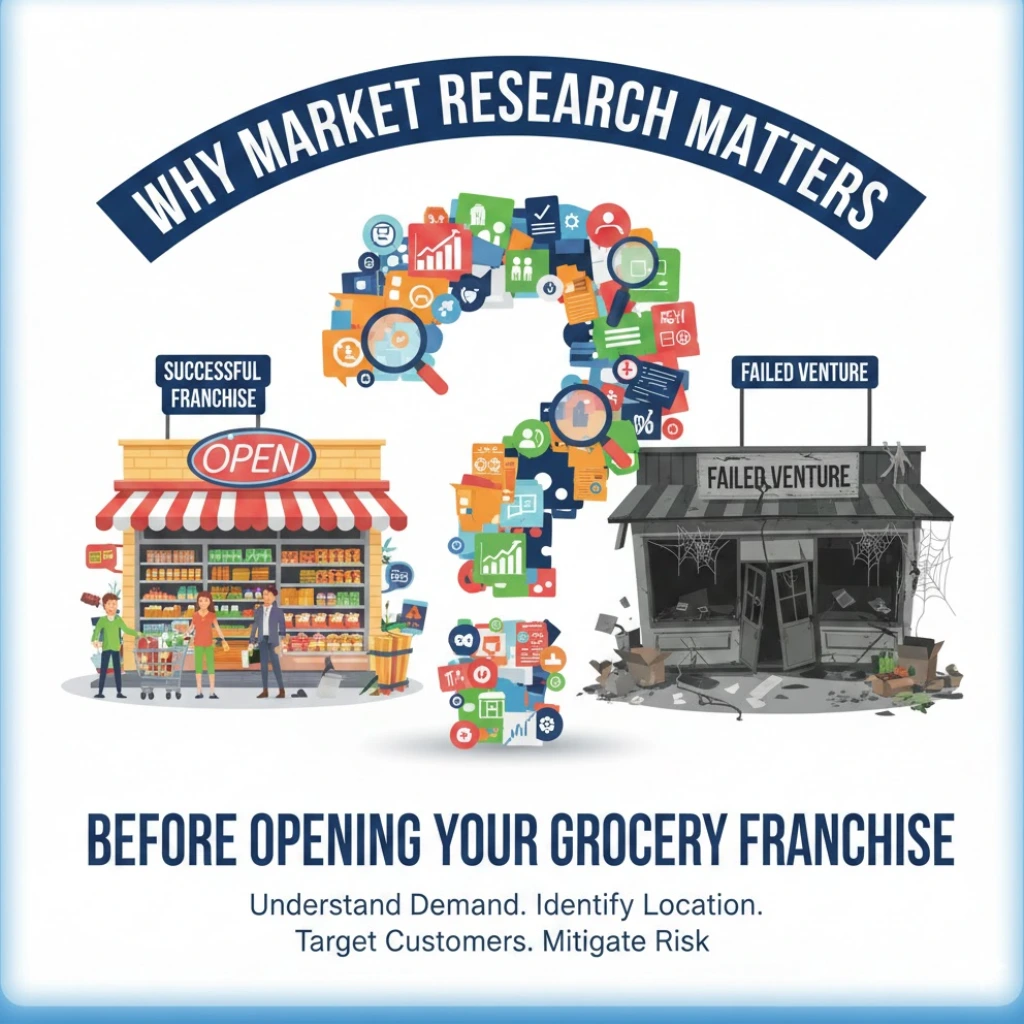
Why Market Research is Important Before Opening your Grocery Franchise?

Are you considering opening a supermarket franchise? This is a good business opportunity with high profit potential. Success is not guaranteed. The first thing you need to do is conduct a thorough market study. You can use market research to better understand your customers, your competitors, and your overall economic environment. You can use this knowledge to make smarter decisions and avoid costly mistakes. This guide will tell you why it is important to conduct market research before opening a franchise for a food store in India. It also explains what to do to start a business that succeeds. Why Market Research is Important for Grocery Franchise You should gather information and research the market before investing in a franchise. It is the best way to build a profitable business. This is how it works: Know the Competition. Market research will show you just how many grocery stores there are in your area. You can then determine if your market has too many competitors or whether there is room for you to differentiate yourself. Trend Identifier: This tool helps you identify the newest trends in the food industry. For example, the increasing demand for plant-based or organic products. You can stock products that your customers want. Please get to know your customers: By knowing what they need and want, you can better serve them. You can use this information to offer your customers the best products and services. This will lead to increased sales and loyalty. Better Decisions: By having the correct information, you will be able to make better decisions in regards to everything from pricing and location. The Key Factors to Consider When Researching a Grocery Franchise Focus your research to build a strong foundation for your supermarket franchise. 1. Understanding Your Target Market Knowing your target market is the most crucial part of any research. Demographics of your customers: Take a look at the people in your region. How much do they earn? What is their income level? Analysis of Shopping Behavior: Identify what, where, and when people shop for groceries. Are they more likely to make quick shopping trips, or do you prefer big weekly purchases? Do they have a preference for certain items, such as gluten-free products or vegan alternatives? Stocking the correct products is easier when you understand their habits. 2. Analysis of your competitors You won\’t have the only grocery store in your town. It\’s important to understand your competition. Identify competitors: List direct competitors, such as other grocery stores (and local markets), and indirect competitors. Assess Strengths and Weaknesses: Learn what your competitors are doing well, and how they can improve. It can help you identify gaps in the marketplace that your franchise could fill. This will give you an advantage. 3. Selecting the Best Location Location is a major factor in the success of a grocery franchise. Analysis of Location: Analyze potential locations by examining foot traffic, parking, and accessibility. Customers will be more likely to buy from a location that is visible and accessible. Regulations Locales: Understand the local regulations before signing a contract. This includes health and safety laws and requirements for business licenses. You will avoid any legal problems down the line. Also Read: How to Handle Supply Chain Issues In Supermarket Franchise 4. Set Your Pricing Strategy Your business\’s success or failure can be determined by your pricing. Know Market Prices: Check what other companies charge for products similar to yours. You can then set prices that are competitive and still leave a profit. Price Sensitivity of Consumers: What is the average price that customers are willing to pay in your region? You should be able to tell from your research whether consumers are more concerned with low prices or if they prefer quality and convenience. 5. Choose Your Product It is important to choose the best products for your business in order to attract and retain customers. Select the right product mix: The products you choose should be in line with your market\’s needs. Mix essentials with specialty products to attract a wider customer base. Locate Reliable Suppliers. Look for suppliers that can consistently deliver high-quality goods at an affordable price. A key to long-term business success is building strong relationships with trusted suppliers. 6. Plan Your Marketing You need to have a marketing plan in place for your new franchise. Marketing channels that work: Your research will show you the most effective ways to reach out to your target audience. You can reach your audience through local newspapers, social media, or events in the community. Develop a unique value proposition: Why is your supermarket franchise different? Make sure you clearly communicate what makes your grocery franchise different from others. Building Your Success through Research A grocery franchise can be a lucrative venture. But its success begins with thorough market research. Understanding your market, customers, and competitors will help you build a sustainable and profitable business. What is your opinion of the most crucial factor that should be researched before starting up a new business? Comment below and share your ideas!

Why Market Research is Important Before Opening your Grocery Franchise? Read More »

Smart Inventory Management for Franchise Supermarkets

To run a successful franchise, you must balance thousands of items while maintaining profitability. Effective inventory management is essential for a supermarket franchise with over 20,000 products in multiple categories. Inventory control issues can lead to empty shelves and frustrated customers. They also cause significant financial loss due to expired goods. Franchisees can boost their profits by implementing smart inventory strategies. They will help them maintain the optimal level of stock, cut down on waste, and reduce costs. Implementing systems that allow you to see your inventory in real time and support data-driven decisions is key. How Inventory Management Drives Franchise Success Franchisees of supermarkets have unique challenges, which independent shops do not. While your customers demand that products be available at all stores, corporate policies require specific stock practices. Three critical aspects of your business are directly affected by effective management. Retention of Customers and Customer Satisfaction Customers will go to the competitors if your shelves are empty. Shoppers lose trust in the reliability of your store when they can\’t locate essentials like bread or milk. Stock availability that is consistent builds customer loyalty and trust, encouraging repeat business. Maximizing Profit Stockouts and excessive inventory for slow-moving items are two scenarios that can be costly. Stockouts result in lost sales, while excess inventory increases costs and ties up your capital. Find the balance that maximizes return on your investment. Operational efficiency Inventory management that is well-managed streamlines the daily operation. The staff spends less time dealing with emergency orders and expired products. The result is lower labor costs and smoother operations in the store, which benefits both customers and employees. The Core Strategies of Supermarket Inventory Management Implement automated reordering systems. Modern point of sale systems monitor sales in real time and generate automatic purchase orders once stock levels exceed pre-determined thresholds. This technology ensures that fast-moving products are always available. Reorder points can be set based on seasonality, sales volume, and lead time. Sort products by performance Not all products deserve equal attention. ABC classification is based on profitability and sales volume. The most profitable items are in category A and need to be monitored frequently. The products in Category B require moderate monitoring, while those in Category C can be handled with simple systems. This helps you to allocate resources and time effectively. The Expiration Dates Monitor The operation of grocery stores requires paying special attention to perishable products. Use inventory management software to track expiration dates and implement first-in-first-out rotation. Monitoring regularly reduces the risk of spoilage, and can have a significant impact on profitability. Trends in sales and patterns The historical sales data can reveal important trends that influence purchasing decisions. Discover seasonal patterns, the impact of promotions, and local customer preferences. This helps you to adjust your inventory levels in a proactive manner rather than reacting reactively when stockouts occur or overstocks are present. Also Read: The Hidden Costs of Poor Inventory Management in Grocery Franchises Applying Technology for Better Results Inventory Management System POS systems can be integrated with specialised grocery store software to track inventory. They offer such features as automated ordering, expiration date monitoring, and detailed reports. Software designed for supermarkets is better than generic solutions. Mobile Inventory Tools Equip your staff with tablets or mobile devices to update inventory in real time. The employees can use mobile devices to scan items, check inventory levels, and update quantities. The mobility of the system improves accuracy and gives instant access to inventory levels across departments. Reporting and Data Analysis Reporting regularly helps to identify trends and areas for improvement. Keep track of key metrics such as inventory turnover rate, frequency of stockouts, and waste percents. These insights can be used to improve your inventory strategy and inform business decisions. Managing Supplier Relationships Diversify Your Supplier Base If you rely on a single supplier, there is a risk. To ensure a consistent supply, develop relationships with several vendors to provide critical products. Diversification can also provide negotiating power and backup options for peak demand times. Negotiate Favorable Terms Negotiate with your suppliers on terms that will support the goals you have for inventory. Negotiate reduced lead times, order quantities that are flexible, and return policies on unsold seasonal products. Supplier relationships can provide a competitive advantage in terms of pricing and availability. Take Action for Inventory Optimization Inventory management is not a once-off process for successful supermarket franchises. It\’s a continuous, ongoing procedure. Audit your existing practices to identify the most painful areas. Focus on the areas that have the greatest impact first. Consider training your staff members in the area of inventory management. They must understand and accept the practices. Your inventory strategy will remain effective as you grow and the market changes. Inventory management can transform your franchise supermarket from reactive to proactive and give you control to maximise profitability, while better serving your customers.

Smart Inventory Management for Franchise Supermarkets Read More »

Best Strategies to Create a Supermarket Layout for Higher Sales

Introduction to Supermarket Layout Design The design of a supermarket layout isn’t just about arranging shelves and products — it’s a science that combines psychology, marketing, and operational efficiency. The best strategies to create a supermarket layout for higher sales ensure customers stay longer, see more, and spend more. In this article, we’ll explore actionable techniques backed by research and real-world success stories, helping you design or revamp your supermarket to boost profits and customer satisfaction. Why Supermarket Layout Matters for Sales A well-thought-out supermarket layout guides customers seamlessly while subtly encouraging impulse purchases and higher spending. Impact of Customer Psychology Humans are creatures of habit. Supermarket layouts that cater to subconscious shopping behaviors — like placing essentials at the back to expose customers to more products — can dramatically increase sales. Case Studies of Successful Supermarket Layouts Major chains like Tesco and Walmart consistently test and optimize layouts. Tesco, for example, increased bakery sales by moving ovens closer to the entrance to release the aroma of fresh bread. Key Principles of an Effective Supermarket Layout Understanding Customer Flow Customers usually turn right upon entering and navigate counterclockwise. Designing aisles and displays to complement this natural flow keeps traffic moving and reduces congestion. Maximizing Product Visibility High-profit and impulse-buy products should be placed at eye level. End caps (the ends of aisles) are prime real estate for promotions. Enhancing Shopping Comfort Wide aisles, proper lighting, and clear signage make the experience pleasant, encouraging shoppers to linger and buy more. Best Strategies to Create a Supermarket Layout for Higher Sales Here are the most effective strategies you can implement right now: Designing the Entrance Area to Attract Shoppers The entrance sets the tone. Fresh flowers, produce, or baked goods create a welcoming, sensory-rich first impression. Creating a Natural Pathway through the Store Use floor patterns, lighting, and displays to subtly direct customers through the store without confusion. Strategic Placement of High-Margin Products Place premium products in high-traffic areas and essentials further back, ensuring customers walk past other tempting items. Optimizing Checkout Zones Checkout areas are perfect for small, impulse-buy items like candy, magazines, or batteries. Ensure queues are managed well to avoid frustration. Advanced Techniques for Boosting Sales through Layout Using Colour and Lighting Effectively Warm colours (red, orange) can stimulate appetite, while bright lighting enhances product appeal. Incorporating Digital Signage and Technology Interactive displays and digital price tags can engage customers and offer dynamic promotions. Seasonal and Promotional Adjustments Rotate displays to highlight seasonal products or ongoing deals, keeping the store fresh and exciting. Common Mistakes to Avoid in Supermarket Layout Design Overcrowding aisles with products Poor signage that confuses customers Ignoring customer flow and creating bottlenecks Not updating layouts periodically Measuring the Success of Your Layout Key Performance Indicators (KPIs) to Track Average transaction value Dwell time per customer Sales per square foot Customer Feedback and Iterative Improvements Regular surveys and observation can reveal pain points and opportunities for enhancement. FAQs 1. What is the best layout for a small supermarket? A racetrack layout works well, guiding customers through a loop while maximizing product exposure. 2. How often should I change my supermarket layout? Minor tweaks every quarter and major redesigns every 3–5 years help keep the store fresh. 3. Does music affect supermarket sales? Yes, soft and slow-paced music can encourage customers to shop longer and buy more. 4. Should I place high-demand items at the front? No — putting essentials at the back ensures customers walk past more products. 5. How wide should supermarket aisles be? Aisles should typically be 4–6 feet wide, balancing product space with customer comfort. 6. Can technology improve supermarket layout effectiveness? Absolutely — heat maps, digital signage, and smart shelves can optimize layouts in real time. Conclusion Designing a supermarket layout with strategy and intent is one of the most powerful ways to increase sales and enhance customer satisfaction. By applying the best strategies to create a supermarket layout for higher sales — from understanding customer psychology to leveraging technology — you can turn your store into a profitable, customer-friendly space. Remember: your layout is never “finished.” Keep observing, testing, and improving.

Best Strategies to Create a Supermarket Layout for Higher Sales Read More »

Most Common Errors People Make When Opening a Grocery Store Franchise

Introduction: Why Avoiding Errors Matters Opening a Grocery Store Franchise In India is not as simple as unlocking the doors and waiting for customers to come in. It requires careful planning, market understanding, and good management. Avoiding the common errors that many others make will save you from unnecessary stress and financial loss. Understanding the Grocery Store Franchise Business A grocery franchise provides a tested business model and brand recognition. But running it successfully still depends on how well you handle operations, staff, finances, and customer service. Let’s go through the most frequent errors and how to prevent them. Underestimating Initial Investment How much does it really cost? One big error is thinking the franchise fee and rent are all you’ll need. In reality, you’ll also pay for equipment, staff training, inventory, licenses, and operating costs before profits start rolling in. Suggestion: Create a detailed budget with help from the franchisor and an advisor, including a cushion for unexpected expenses. Choosing the Wrong Location What makes a good location? A poor location can hurt even the strongest brands. Look for high visibility, easy access, good parking, and steady foot traffic. Suggestion: Work with a real estate professional who understands the needs of a grocery store business. Ignoring Market Research Understanding your target customers Many owners forget to check if their products fit local needs. Your neighbourhood may need organic, ethnic, budget, or premium options — or a mix. Suggestion: Study your local demographic and adjust your offerings to match what your customers actually want. Poor Inventory Management Over-ordering and under-ordering stock Too much inventory leads to waste, while too little disappoints customers. Suggestion: Use reliable inventory software and watch sales patterns to keep stock balanced and fresh. Not Following Franchise Guidelines Why rules matter in a franchise Franchise brands succeed because of consistency. Failing to follow their guidelines on branding, products, or operations can lead to penalties or even losing the franchise. Suggestion: Stay in regular contact with your franchisor and follow their playbook closely. Hiring the Wrong Team The importance of good staff Your team is your biggest asset. Unfriendly, untrained, or unmotivated staff can drive away customers and hurt sales. Suggestion: Take time to hire carefully, train thoroughly, and create a positive workplace culture. Overlooking Marketing Efforts Building your brand locally Even with a big-name franchise, you still need to attract and retain customers in your area. Suggestion: Invest in local advertising, social media, events, and promotions to keep your store top of mind. Failing to Manage Cash Flow Keeping your finances healthy Running out of money is one of the top reasons businesses fail. Suggestion: Monitor your income and expenses carefully, and keep a reserve for unexpected slow periods. Neglecting Customer Service Why happy customers come back Even if your prices are great and your shelves are full, poor service can turn customers away. Suggestion: Train your staff to be helpful and friendly, and handle complaints quickly and professionally. Not Planning for Competition Staying ahead in a crowded market Competitors — from other stores to online grocery services — are always nearby. Suggestion: Watch what competitors are doing and offer something better, whether it’s superior service, unique products, or loyalty rewards. Frequently Asked Questions Q1: How much money do I need to start a grocery store franchise? A: It varies by brand and location, but plan for the franchise fee, rent, inventory, equipment, staff, and at least 6 months of operating costs. Q2: How soon can I expect profits? A: Most stores take 1–2 years to turn a profit, though it depends on your location, management, and market conditions. Q3: Do I need prior experience in retail? A: Not always, but retail or management experience makes a big difference in how smoothly things run. Q4: What’s the hardest part about running a grocery store franchise? A: Keeping costs under control while keeping customers happy is a common challenge. Q5: How can I bring more customers to my store? A: Focus on great service, local promotions, and products that fit your community’s needs. Q6: Can I customize my store’s layout or inventory? A: Usually, you must follow franchise standards, but some franchisors allow flexibility depending on the agreement. Conclusion: Set Yourself Up for Success Opening a grocery store franchise is a great way to own your own business, but it comes with challenges. By understanding and avoiding these common errors, you give yourself the best chance at building a profitable, respected store in your community. With smart planning and a focus on customers, you can grow your franchise into a lasting success.

Most Common Errors People Make When Opening a Grocery Store Franchise Read More »

Exploring Grocery Franchise Opportunities: A Pathway to Success

In a increasingly moving towards convenience, grocery franchises a unique opportunity for entrepreneurs. With steady and numerous business models to choose from, entering the grocery franchise sector can be a rewarding venture. you are passionate about providing fresh produce, gourmet foods, or organic options, this article will explore the various aspects, benefits, and considerations of grocery franchise opportunities. Why Choose a Grocery Franchise? The grocery sector is an essential component of everyday life, making it a resilient industry. Choosing a grocery franchise allows you to leverage an established brand while benefiting from support and resources. Here are some compelling reasons to consider: Steady Demand Essential Goods: Groceries are daily necessities for every household, ensuring consistent demand. Resilience: Unlike many other industries, grocery stores often thrive even during economic downturns. Established Brand Recognition Trust & Quality: Joining a recognized franchise provides instant credibility that can attract customers more readily than a new, independent store. Support & Training Operational Guidance: Most franchises offer comprehensive training programs, helping you learn about operations, supply chains, and customer service. Marketing Materials: Benefit from pre-established marketing strategies designed to promote the brand effectively. Each of these factors contributes to a more secure entry into the entrepreneurial world compared to starting from scratch. Types of Grocery Franchise Opportunities Grocery franchises come in various shapes and sizes, catering to different markets. Here’s a closer look at some popular types: Supermarket Chains Description: Large, full-service grocery stores that provide a wide range of products. Examples: Franchise models such as Albertsons and Safeway offer strong business backing. Specialty Grocers Description: Stores focusing on niche markets, such as organic or gourmet foods. Examples: Whole Foods Market provides a premium branding experience targeting health-conscious consumers. Convenience Stores Description: Smaller stores that offer everyday essentials and often operate in high-traffic areas. Examples: 7-Eleven franchises capitalize on quick shopping experiences for busy customers. Online Grocery Delivery Services Description: Expanding rapidly, many grocery franchises are leveraging e-commerce to provide home delivery services. Examples: Instacart partners with different grocery stores, increasing accessibility. These options allow franchisees to choose a model that aligns with their interests and market demands. Factors to Consider Before Investing While the idea of running a grocery franchise may sound appealing, it’s crucial to assess various factors before diving in. Here are some key considerations: Initial Investment Startup Costs: Understand the financial commitment involved, including franchise fees and equipment purchases. Ongoing Royalties: Most franchises require a percentage of profits to be paid back to the parent company. Be sure this aligns with your financial goals. Location Analysis Demographics: Research your target area to ensure there’s a demand for your franchise. Factors such as population density, average income, and lifestyle choices can influence your success. Competitor Landscape: Know who your competitors are and how you can differentiate your business from theirs. Franchise Agreement Terms and Conditions: Carefully read through the franchise agreement. It outlines your responsibilities, rights, fees, and duration of the contract. Exit Strategy: Understand what options you have if you need to sell or exit the franchise in the future. Success Stories: Learning from Others Looking at the journeys of successful grocery franchisees can provide inspiration and insight. For instance, Jane, a former corporate employee, switched to owning a local franchise of a national supermarket chain. She enjoyed substantial support from her franchisor and within two years increased her store’s revenue by 50% through community engagement initiatives and a loyalty program. Key Takeaway Success often stems from understanding your market, knowing your customers, and actively engaging with the community. Conclusion: Taking the Next Step Grocery franchise opportunities can pave a fulfilling path for those willing to put in the hard work and dedication necessary for success. With steady demand, brand recognition, and accessibility, they offer an appealing business model for prospective franchisees. Before you embark on your journey, take the time to explore different types of franchises, assess your local market, and understand the financial commitments involved. Ultimately, this research will guide you toward making informed decisions that align with both your ambitions and personal values. If you’re ready to turn your entrepreneurial dreams into reality, consider exploring reputable franchises today! For more information on franchise opportunities, visit resources such as Franchise Direct or the International Franchise Association. “The best time to plant a tree was twenty years ago. The second best time is now.” — Chinese Proverb. Now is the perfect moment to dive into the grocery franchise world. Happy franchise hunting!

Exploring Grocery Franchise Opportunities: A Pathway to Success Read More »

Exploring the Best Grocery Franchises: Why BuyBuyCart is a Top Choice

In the ever-evolving retail landscape, grocery franchises have emerged as a lucrative opportunity for aspiring entrepreneurs. As consumer habits shift towards convenience and quality, investing in a grocery franchise has become an attractive option for those looking to carve their niche in the market. Among the myriad of choices available, BuyBuyCart stands out as a leading grocery franchise, combining affordability with quality products and exceptional customer service. In this blog post, we will explore the benefits of grocery franchises, delve into popular franchise options, and highlight why BuyBuyCart should be your franchise of choice. The Appeal of Grocery Franchises Grocery franchises offer several advantages that make them an appealing investment: Established Brand Recognition: When you invest in a grocery franchise, you benefit from the brand’s established reputation. Customers are more likely to choose a familiar name over an unknown independent store. BuyBuyCart, with its commitment to quality and affordability, has gained significant recognition in the market. Comprehensive Support System: One of the most significant advantages of franchising is the support you receive from the franchisor. This includes training in operations, marketing strategies, and customer service. BuyBuyCart provides extensive training to ensure that franchisees are well-equipped to manage their stores effectively. Lower Risk of Failure: Starting a new business can be fraught with risks. However, grocery franchises come with a proven business model, which significantly lowers the risk of failure. You can benefit from the experience and lessons learned by previous franchisees. Popular Grocery Franchise Options With many grocery franchises available, choosing the right one can be overwhelming. Here are some of the most popular options: 7-Eleven: Known for its convenience store model, 7-Eleven is a global brand that offers a diverse range of products, making it a go-to option for quick grocery shopping. Aldi: Renowned for its budget-friendly approach, Aldi has carved a niche in the grocery sector by offering high-quality products at lower prices, attracting price-sensitive consumers. Costco: As a wholesale retail giant, Costco’s business model revolves around bulk buying and membership perks, appealing to families and bulk shoppers alike. BuyBuyCart: This rising grocery franchise emphasizes quality products and customer satisfaction. It has gained traction for its affordable prices and a wide selection of items, making it an attractive choice for both franchisees and customers. Why BuyBuyCart Stands Out When it comes to grocery franchises, BuyBuyCart has several unique advantages that set it apart from the competition: Diverse Product Range: BuyBuyCart offers a comprehensive selection of products, from fresh produce and organic items to household essentials and gourmet foods. This variety ensures that customers can find everything they need in one location, enhancing their shopping experience. Affordable Investment: One of the most appealing aspects of BuyBuyCart is its lower entry cost compared to larger grocery franchises. This makes it accessible for aspiring entrepreneurs who may not have significant capital to invest upfront. Customer-Centric Approach: BuyBuyCart is dedicated to delivering excellent customer service. The franchise prioritizes customer feedback and continuously seeks ways to enhance the shopping experience. This commitment to satisfaction fosters customer loyalty, leading to repeat business. Embracing Technology: In today’s digital age, technology plays a crucial role in retail success. BuyBuyCart embraces modern technology by offering online shopping options, loyalty programs, and an intuitive mobile app. These features not only improve customer engagement but also streamline operations for franchisees. Getting Started with a BuyBuyCart Franchise Embarking on your journey as a BuyBuyCart franchisee is straightforward. Here’s how you can get started: Initial Inquiry: Visit the BuyBuyCart website to express your interest in becoming a franchisee. Fill out an inquiry form to receive more information about franchise opportunities. Franchise Application: Once you’ve gathered the necessary information, submit your franchise application. This step typically involves providing details about your background and financial capabilities. Franchise Training Program: Upon approval, you’ll be enrolled in BuyBuyCart’s comprehensive training program. This program covers all aspects of running the franchise, including store operations, inventory management, and marketing strategies. Store Launch: After completing the training, you’ll be ready to launch your BuyBuyCart franchise. The company provides ongoing support, ensuring you have the tools and resources necessary for success. Download Brochure Marketing Your BuyBuyCart Franchise To ensure the success of your BuyBuyCart franchise, implementing effective marketing strategies is essential. Here are some tips: Leverage Social Media: Use platforms like Facebook, Instagram, and Twitter to promote your store, share special offers, and engage with customers. Local Advertising: Invest in local advertising, such as flyers, community events, and sponsorships, to raise awareness about your store. Loyalty Programs: Consider implementing a loyalty program to encourage repeat business. Reward customers for their purchases, and offer exclusive deals to loyal patrons. Conclusion Investing in a grocery franchise can be a rewarding venture, and BuyBuyCart is an excellent option for aspiring franchisees. With its established brand, affordable investment, and customer-centric approach, BuyBuyCart provides the tools and support needed for success. Whether you’re a seasoned entrepreneur or new to the business world, exploring the opportunities within the grocery franchise sector could lead to a fulfilling and profitable career.

Exploring the Best Grocery Franchises: Why BuyBuyCart is a Top Choice Read More »

Grocery Franchise: A Grocery Franchise Business Model for Aspiring Entrepreneurs

Introduction Are you considering the best grocery franchise as your next business venture? With the rise of organized retail in India, owning a grocery franchise has become one of the most lucrative and reliable ways to enter the market. Whether you\’re a seasoned entrepreneur or exploring new business opportunities in grocery stores, the franchise model offers the advantage of an established brand, a proven business framework, and ongoing support. In today’s competitive landscape, choosing the best franchise can be overwhelming. Questions like, \”Which franchise should I apply for?\” or \”How do I get started with the right grocery store franchise?\” often arise. From exploring popular options like buybuycart grocery franchise to downloading a supermarket brochure to understand potential returns, there are many steps to consider before diving in. But don’t worry, you’re not alone in this process. In this guide, we’ll walk you through the key benefits of owning a grocery franchise, the steps to apply, and how to maximize your chances of success. So, if you’ve ever thought about becoming part of India’s thriving grocery industry, this is the perfect place to start. Ready to explore? Let’s dive in. What Makes Grocery Franchises a Smart Investment? Have you ever wondered why grocery franchises are becoming a go-to option for aspiring business owners? With India\’s growing retail market, more entrepreneurs are turning to the grocery store franchise model to secure a stable, long-term business. But what sets a grocery franchise apart from starting your own store from scratch? Here are a few compelling reasons why a grocery franchise could be the best choice for you: 1.1 Established Brand Recognition When you invest in a grocery franchise, you’re buying into a well-established brand that customers already know and trust. Brands like buybuycart grocery franchise have a loyal customer base, which can give you an immediate edge over standalone stores. This brand recognition helps build credibility from day one, reducing the time and effort you’d otherwise spend on marketing. 1.2 Proven Business Model One of the biggest advantages of choosing the best grocery franchise in India is the tested and proven business model. You don’t have to reinvent the wheel! From sourcing products to store layouts, franchises offer step-by-step guidelines for success. This structured approach minimizes guesswork, allowing you to focus on growing your store. 1.3 Training and Support When you apply for a franchise, you’re not just buying a business; you’re also gaining access to continuous training and operational support. Many franchise companies even offer resources like a supermarket brochure to help you navigate everything from managing inventory to creating promotional campaigns. This kind of support can be invaluable, especially for first-time business owners. 1.4 Buying Power Ever thought about how much easier it would be if you could buy your products at lower prices? Grocery franchises benefit from collective buying power, meaning you’ll likely pay less for goods than independent store owners. This not only improves your profit margins but also gives you a competitive edge in the marketplace.   1.5 Scalable Growth Looking to expand? A grocery franchise offers excellent scalability. Once you’ve mastered one location, expanding into multiple stores becomes easier because you’re working within a proven framework. It’s a growth path that’s both structured and lucrative. Steps to Start a Grocery Franchise Starting your own grocery franchise might seem daunting, but with the right approach, it can be a seamless process. Here’s a step-by-step guide to help you get started: 2.1 Research Franchise Options Before you jump into the franchise world, take time to research the different grocery franchise options available in India. Brands like buybuycart grocery franchise are popular choices, but don’t limit yourself. Look for franchises that align with your budget, goals, and market potential. 2.2 Evaluate Financial Requirements Franchises come with initial fees, setup costs, and ongoing royalties. Download the supermarket brochure or franchise materials to get a detailed understanding of these costs. Evaluate your financial position and determine if you need external financing to get started. 2.3 Submit Franchise Application Once you’ve chosen the right franchise, the next step is to submit an application. Most franchises will require you to provide personal and financial details. After approval, you’ll sign the franchise agreement, which outlines your responsibilities and the support you’ll receive from the franchisor. 2.4 Set Up Your Store Finding the right location is key to your success. Work with your franchisor to select a location that meets the target market\’s needs. You’ll also receive guidelines on store setup, inventory management, and hiring staff. 2.5 Launch and Promote Finally, it’s time to launch! Most grocery franchises provide marketing support for grand openings, but you can supplement this with local advertising and promotions. This is your chance to attract attention and build a strong customer base. Overcoming Common Challenges in Grocery Franchising Like any business, running a grocery franchise comes with its challenges. Here are a few you might face and how to overcome them: 3.1 High Initial Costs The upfront investment for a grocery franchise can be significant. However, the long-term rewards often outweigh the costs. Consider financing options, or partner with an investor to share the load. 3.2 Local Competition Standing out in a crowded market is crucial. Focus on exceptional customer service, product quality, and maintaining a clean, organized store. Regular promotions and loyalty programs can also help keep customers coming back. 3.3 Inventory Management Efficiently managing stock is essential to avoid losses. Many franchises provide automated systems to help track inventory levels. Keeping an eye on seasonal trends and customer preferences will also help you stay on top of demand. Conclusion In conclusion, owning a grocery store franchise offers you the opportunity to step into a thriving market with the support of an established brand and a proven business model. Whether you’re looking to invest in the best grocery franchise in India or exploring business opportunities in grocery stores, the franchise route provides a secure path with less risk compared to starting from scratch. As you explore the options,

Grocery Franchise: A Grocery Franchise Business Model for Aspiring Entrepreneurs Read More »

Level Up Your Grocery Shopping: Personalized Recommendations and Services

In today\’s fast-paced world, grocery shopping has evolved beyond the traditional weekly trip to the local market. With advancements in technology, personalized recommendations and services are transforming the way we shop for our daily essentials. In this blog post, we\’ll explore how these innovations can enhance your grocery shopping experience, saving you time, money, and effort. The Power of Personalized Recommendations Personalized recommendations have revolutionized various industries, and grocery shopping is no exception. By leveraging data analytics and artificial intelligence, grocery stores can now offer tailored suggestions based on your individual preferences and shopping history. This means you\’re more likely to discover new products you\’ll love, avoid impulse purchases, and ultimately save money. How Personalized Recommendations Work Shopping History Analysis: Grocery stores track your past purchases to identify patterns and preferences. Product Similarity: Algorithms compare products based on ingredients, nutritional values, and customer reviews. Personal Profiles: By creating a personalized profile, you can share your dietary restrictions, allergies, and preferred brands. Real-time Recommendations: As you shop, you\’ll receive suggestions tailored to your current needs and preferences. Also Read: Unlocking Entrepreneurial Dreams: BuyBuycart Grocery Franchise Benefits of Personalized Recommendations Time-Saving: Quickly find the products you need without browsing endless aisles. Cost-Effective: Avoid impulse purchases and discover hidden deals. Product Discovery: Explore new and exciting products that align with your tastes. Convenience: Receive recommendations on your mobile device, even before you step into the store. Personalized Services: Going Beyond Recommendations In addition to personalized recommendations, grocery stores are offering a range of innovative services to enhance your shopping experience: Online Grocery Shopping: Order groceries online and have them delivered to your doorstep, saving you time and effort. Click-and-Collect: Place your order online and pick it up at a designated location for a convenient and hassle-free experience. Subscription Services: Subscribe to recurring deliveries of your favorite products, ensuring you never run out. Meal Kits: Receive pre-portioned ingredients and recipes to make healthy and delicious meals at home. Personal Shoppers: Let a professional shopper do the grocery shopping for you based on your preferences and dietary needs. Tips for Getting the Most Out of Personalized Recommendations Create a Detailed Profile: Provide accurate information about your preferences and dietary restrictions. Utilize Mobile Apps: Download the grocery store\’s app to access personalized recommendations on the go. Try New Products: Don\’t be afraid to experiment with recommended items you might not have considered. Provide Feedback: Share your thoughts and experiences to help improve the recommendation system. Conclusion Personalized recommendations and services are transforming the way we grocery shop, making it more convenient, efficient, and enjoyable. By embracing these innovations, you can level up your shopping experience and discover new products that align with your preferences and lifestyle. So, the next time you head to the grocery store, be open to the personalized recommendations and services that can make your shopping trip a breeze.

Level Up Your Grocery Shopping: Personalized Recommendations and Services Read More »