
buybuycart.com

Grocery

blog 1

Grocery store franchise: Five proven strategies to grow your Franchise Business

Opening a franchise grocery store is a sure-fire way to achieve success. Everyone needs to eat. Food and family play a central role in India’s daily lives, so the need for grocery items is constant. Many new entrepreneurs make the mistake of opening their shutters to wait for customers. Running a franchise grocery store in India can be a very demanding experience. The competition is fierce. You’re not just up against the big chains, but also the local stores that have been serving their customers for generations. Due to the high level of competition, marketing has become a necessity. You need to have a strategy if you want to survive and be profitable. These five marketing strategies for grocery stores will help you to attract more customers and retain your existing ones. 1. Optimize your store layout and visuals Shopping experience is what makes a franchise grocery store superior to a small, traditional shop. Today’s customers enjoy browsing aisles and picking out products. They also like discovering new things. From the minute they walk in, your store should look welcoming. Focus on “Visual Merchandising.” It doesn’t have to be expensive, just neat and well-lit. 2. WhatsApp marketing: How to leverage it WhatsApp in India is more than a simple messaging application; it’s a powerful business tool. It is used by almost every single customer who walks into the grocery franchise. It is the most effective way to create a relationship. Ask customers to sign up for your daily update list at the check-out counter. 3. Local SEO Mastery (Google My Business). If someone is moving to a different neighborhood, or they need something urgently and are searching on Google “grocery stores near me,” the first search that comes up is for “grocery stores nearby.” Your grocery franchise is not listed there. Also Read: Grocery Supermarket Challenges: 8 Common Problems and Their Solutions Google My Business Listings are free. Claim them now. This is a powerful and free tool. 4. Value Packs, Loyalty Programmes and Offers Indians are very value-conscious. A good deal is always welcome, as we like to feel that we’re getting more. The backing of the larger brand allows for more competitive pricing than standalone stores. Create a simple program of loyalty. You don’t have to go high-tech. You can use a simple point system based on phone numbers. 5. Organise Community Events Franchises are local businesses. You must become a part of your community to succeed. Your neighbors should feel like this is their shop. Building a brand that lasts A successful franchise grocery store requires patience and hard work. It is not true that groceries “sell themselves”. The business with the best customer service, most convenience, and warmest connections will win in a competitive market. Using these strategies, you can make your franchise the favorite in the area.

Grocery store franchise: Five proven strategies to grow your Franchise Business Read More »

grocery store

Top 7 Proven Strategies to Manage Costs in your Grocery Store Franchise

You have now opened your grocery store franchise in India. Although BuyBuyCart has the highest profit margins in India, you must manage your expenses to maintain a profitable store. This is a huge step that requires time, energy, and money to get started. It is still a huge accomplishment to have started your own company while following your dream. The real challenge is now how to control the costs of running the store. The top franchise business in India is the supermarket. But to maximize your store’s profits, you must manage the daily expenses. This includes electricity, water, and other expenses like groceries, store, salaries of employees, inventory, etc. The success of your business directly depends on how well you manage the day-to-day costs. How to manage your store expenses daily The success of a grocery franchise is heavily dependent on the expenses. You can damage your business if you do not manage your expenses correctly. You should therefore adopt sound financial management practices to ensure that your business runs smoothly and without any hiccups. We will explain what expenses you can expect to incur in a franchised grocery store, and how these costs can be effectively managed. 1. Freight and Rental Renting and hiring space can be a significant expense for a grocery franchise. When choosing a location for your grocery store franchise, it is important to keep in mind the budget you have and whether or not that particular site will work well with your business. Your business will be successful if you choose a location that is convenient for your clients. Rent, freight, cleaning and repairs, as well as other costs of maintenance, must be paid from your income. You can often lock down lower rent rates by negotiating long-term agreements. This will protect your business against sudden increases in rent in growing areas. 2. Employee Salaries Another high cost for grocery stores is paying employee salaries. It is important to pay your employees at the correct time and the appropriate amount for the success of your company. Paying employees on time keeps relationships positive and encourages team spirit. Paying fair wages also encourages employees to work hard and be enthusiastic, both of which are essential to your business. Your grocery franchise will benefit from repeat business if you have happy employees. 3. Stocks and Supplies Purchasing high-quality supplies and stock for your shop also costs you money. To maximize your profits, it is crucial to control stock carefully. Inventory management will allow you to satisfy your customers’ needs by having the items they require when needed. This increases your profit margin. Controlling the stock also helps to maintain updated quality standards, which increases customer satisfaction. A “First-In-First-Out” method (FIFO), which ensures that older stock is sold quickly before it expires and reduces wastage, can be implemented. Also Read: Seven Proven Strategies to Boost Profits in a Supermarket Franchise 4. Infrastructure and Facilities Infrastructure, equipment, and facility costs can be high. Your customers will appreciate the convenience of having the right facilities and infrastructure. They can also help you sustain your business. It is more expensive to run. You should therefore make every effort to reduce your expenses and maximize the use of resources. Switching to LED lights that are energy efficient or maintaining your refrigerators regularly will reduce electricity costs. Investing in infrastructure and updating it periodically can help your business innovate and grow. 5. Advertising and Promotion Advertising and promotion of your shop also involve costs. Advertising allows you to promote your business and inform people about the products and services that are available. Choose the best promotional campaigns to promote your company and reach out to as many customers as you can. Your grocery franchise should carefully plan and set goals for its advertising campaigns. Local marketing in India can often be cheaper than billboards. For example, distributing leaflets to nearby communities or using WhatsApp groups. 6. Technology Advancement Modernizing your technology will make the operation of your supermarket more efficient and smooth. Investing in new technology tools will allow you to optimize your entire operation, including billing, inventory, and stock management. You can automate your processes, accurately store data, and increase the speed of production. This investment, while it comes with an initial cost, can help your business grow and prosper by saving you time and reducing errors. 7. Licences and Permits Supermarkets also need to manage licenses and permits. It is important to ensure proper operation procedures and avoid any potential legal issues. Without the relevant licensing, sales and production without permission can result in penalties or losses that may disrupt marketing. The management of licenses and permits in a supermarket is not just important for legal compliance, but it also helps to ensure its smooth functioning. By keeping track of renewal dates, you can avoid penalties for licenses that have expired. Manage your grocery store franchise for success It takes more than selling groceries to run a successful franchise. You need smart financial management. You can make sure your grocery store is profitable and sustainable by keeping an eye on seven important areas. Do you have any questions or concerns as a retailer about specific costs? Please share your comments or ask questions below. We would love to know what you think!

Top 7 Proven Strategies to Manage Costs in your Grocery Store Franchise Read More »

grocery store franchise

Why market research is crucial before you start your Grocery Store Franchise

It’s possible to open a Grocery Store franchise in India, and it can be profitable. But there are challenges. Indian retail is varied, competitive, and always changing. Knowledge is more important than capital to navigate successfully in this market. Market research is your best tool. It’s like trying to drive blindfolded. If you don’t have data on the market, even if your franchise brand is the best one out there, it will still be a crash. Market research, whether you’re a new entrepreneur or a seasoned business owner, is essential to building a successful franchise. What is a franchise grocery store? Let’s first define “what” before we get into “why.” You don’t start from scratch when you buy a franchise. The brand you use is well-known and has a proven supply chain, business model, and marketing strategy. You can gain support from a well-known system by paying a fee for the franchise and royalties. Even with a large brand’s support, your outlet will still be successful if you can make it work. It is therefore essential to conduct your own research. Market Research: Its Benefits It’s not just paperwork, but a smart investment. This involves collecting, analyzing, and interpreting data about a particular market. Why it’s important to have a grocery store franchise in India 1. Minimizing Risk Any business venture involves some risk. Researching the market can help you identify possible pitfalls prior to investing your hard-earned cash. Market research can show if an area is saturated with supermarkets or if locals prefer traditional shops over franchises. 2. Understand Local Demand India has a food culture that changes every couple of hundred kilometers. Mumbai’s food habits may not be the same as those in Chennai. You can tailor your stock to local tastes by doing research. This will ensure that you have products on the shelf that are in high demand. 3. Strategic Decision Making Gut feelings are never better than data-based decisions. The research provides insights that are needed to determine realistic sales targets and marketing budgets. What Types of Research Should Be Conducted? You need to consider the market in two different ways: Primary Research You have collected this information yourself. This information is specific to the location of your customers and potential clients. Question locals about their shopping habits. Shop weekly or every day? Are they more likely to buy premium or budget brands? Be in the vicinity. Visit potential competitors to observe what they do well and what they do poorly. Secondary Research It is important to use existing data. Industry reports: Search for industry reports about the Indian retail sector to gain a better understanding of broader trends. Data from the government: Census data can be used to better understand your neighborhood. Also Read: Retail Technology Trends: AI, Smart Shelves & Omnichannel Shopping in Grocery Stores Prioritise your research on these key areas Focus on the following four factors when researching your Grocery Store franchise: 1. Understanding Your Target Market What are the demographics of your customer base? Who are your customers? Analysis of demographics: Age, family size, and income are all factors to consider. In high-income neighborhoods, a retailer may offer imported products and organic food. However, in price-sensitive areas, the focus will be on staples and discounts. Shopper’s Habits: Identify when and where people shop. Understanding whether customers prefer speed to in-store experiences is important with the rapid growth of fast commerce. 2. Analysis of Competitors There will be other players in the market. You’ll have to identify both your direct and indirect competitors. Direct competitors and indirect ones (e.g., local shops, apps such as Blinkit/Zepto, or online stores). SWOT analysis: Find their strengths, weaknesses, opportunities, and threats. Can you provide better access if a competitor’s parking is poor? Can you offer fresh produce if your competitors don’t? 3. Selecting the Best Location Location is key in retail. The grocery store franchise must be visible and accessible. Traffic: Does the shop have a lot of footfall? There is parking available. Does it provide convenience? Is it easy to get in and out? Zoning laws: Make sure the site complies with all licensing and commercial requirements. 4. Pricing Strategies Indians are known for being value-conscious. Pricing must be in line with local economic realities. You can determine whether you want to position your shop as an expensive destination or one that is budget-friendly by researching the average income of households in your locality. Selecting and sourcing products There is no one-size-fits-all. Your franchisor may provide you with a list of products, but there is often flexibility when it comes to the product mix. Favourite Local Products: Stock up on regional favourites. Stocking Gujarat-specific snack products is essential. Specific rice types are a must in the South. Reliability of Suppliers: Although the franchise may supply brand goods, it is possible that you will need to find local suppliers for fresh products (such as milk, vegetables, and bread). It is important to find reliable local suppliers to maintain quality. Marketing and Promotion Research will help you determine how to promote your grand opening. Marketing channels: Do you prefer WhatsApp, inserts in newspapers, or Instagram advertisements? Promos: Check out what works for your competitors. Are “Buy 1 get 1 free” offers more effective than loyalty points? The conclusion of the article is: It is an excellent opportunity to build wealth and serve the community by opening a Grocery Store Franchise in India. It’s not enough to be enthusiastic. You can stop guessing and start knowing by investing in thorough market research. Understanding your customer, respecting your competition, and minimizing your Risk are all things you do when you conduct detailed market research. Do not skip this step. Build a solid foundation using data and see your franchise flourish.

Why market research is crucial before you start your Grocery Store Franchise Read More »

blog 4

Retail Technology Trends 2025: AI, Smart Shelves & Omnichannel Shopping in Grocery Stores

Retailers in India are increasingly adopting advanced technologies to enhance operational efficiency and customer engagement. AI-powered tools are revolutionizing inventory management by predicting demand patterns and optimizing stock levels. Smart shelf technology, featuring sensors and automation, helps reduce human errors and improves shopper experience by providing product information and availability updates instantly. BuyBuyCart integrates many of these innovations through its app and backend systems, enabling franchisees to manage stores efficiently and customers to shop effortlessly both online and offline. Omnichannel retailing is becoming the norm, where customers expect seamless experiences whether shopping in-store or via mobile apps. Features like voice-enabled ordering, personalized recommendations, scheduled subscriptions, and loyalty rewards keep buyers engaged. BuyBuyCart’s focus on combining physical store strengths with digital capabilities exemplifies the future of grocery retail in India, ensuring convenience, accessibility, and competitiveness in a fast-evolving marketplace.

Retail Technology Trends 2025: AI, Smart Shelves & Omnichannel Shopping in Grocery Stores Read More »

3 blog

Franchise Growth in India: Why Zero-Royalty Models Like BuyBuyCart Are Winning Hearts

Franchising in India is shifting towards more entrepreneur-friendly models, and BuyBuyCart’s zero-franchise fee and zero-royalty fee policies are major contributors to this shift. These models eliminate the traditional financial barriers that deter many small business owners from expanding or upgrading their stores. The FOFO (Franchise-Owned Franchise-Operated) model lets entrepreneurs maintain full operational control while getting extensive support in store setup, technology, and marketing. Meanwhile, the FOCO (Franchise-Owned Company-Operated) model suits investors looking for passive income, as BuyBuyCart manages staffing and daily operations. This flexibility, combined with transparent returns estimated at 12-15%, has helped BuyBuyCart rapidly expand its footprint to over 250 stores in just a few years. This growth is not only a testament to the model’s success but also strengthens local economies by creating jobs and offering reliable shopping experiences.

Franchise Growth in India: Why Zero-Royalty Models Like BuyBuyCart Are Winning Hearts Read More »

fmgc 2

Top FMCG Trends in India 2025: Health, Hyperlocal Products & Tech-Enabled Distribution

The Fast-Moving Consumer Goods (FMCG) industry in India is witnessing rapid shifts propelled by evolving consumer preferences and technology. There is a marked rise in demand for health-focused products such as protein supplements, herbal care, and natural foods, fueled by increasing health awareness post-pandemic. Furthermore, regional and hyperlocal brands have gained prominence as consumers gravitate towards trusted local flavors and traditional formulations. To meet this demand efficiently, companies are leveraging technology to streamline distribution networks. BuyBuyCart’s franchise stores serve as micro hubs for FMCG distribution, facilitating quicker last-mile delivery and better stock management. The adoption of real-time digital inventory systems reduces wastage and ensures timely replenishment. Additionally, sustainable packaging and eco-friendly practices are becoming significant factors influencing purchases, encouraging FMCG brands and retailers to innovate responsibly to cater to the green consumer.

Top FMCG Trends in India 2025: Health, Hyperlocal Products & Tech-Enabled Distribution Read More »

how buybuycart is driving the grocery retail digital revolution in india 2025”

How BuyBuyCart is Driving the Grocery Retail Digital Revolution in India 2025

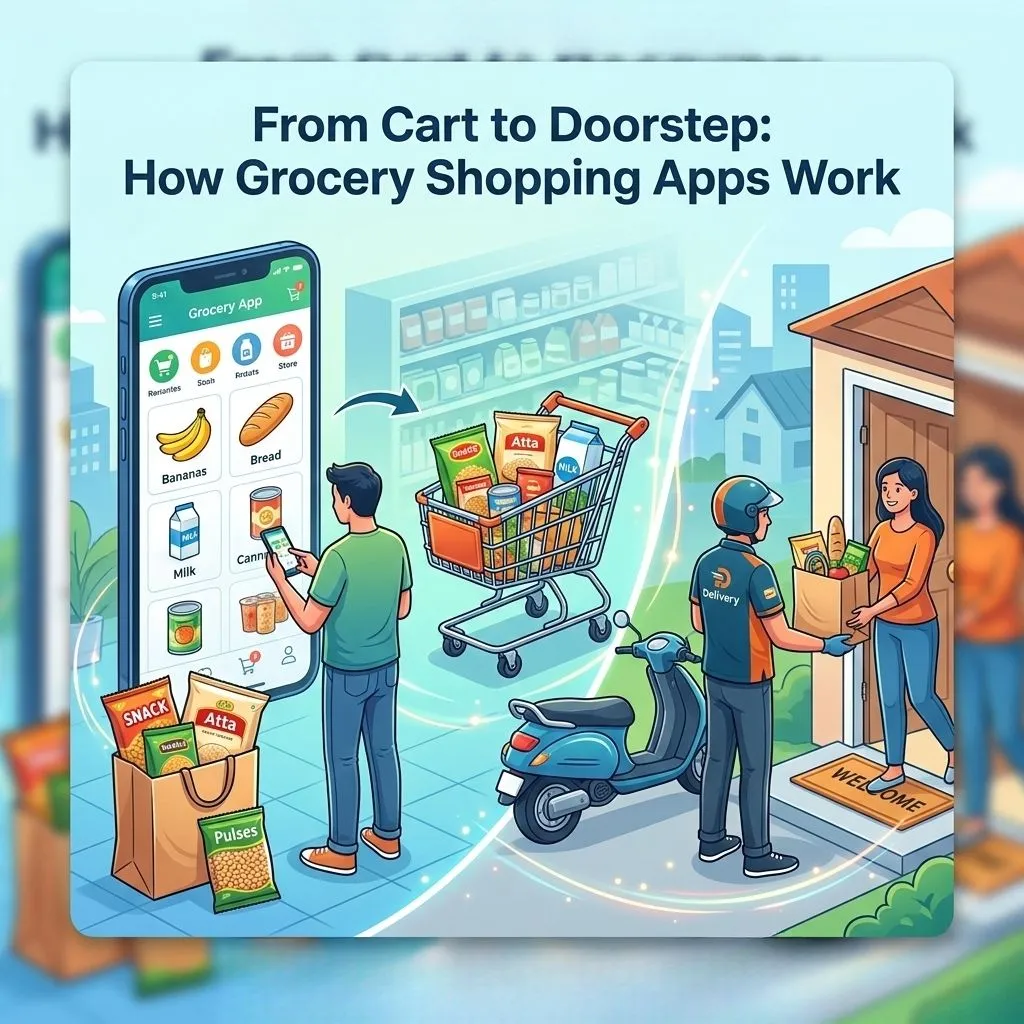
India’s grocery retail sector is undergoing a significant digital transformation, and BuyBuyCart is spearheading this change by partnering with local kirana stores. Their innovative app, “BuyBuyCart Grocery in Minutes,” bridges the gap between traditional retail and digital convenience. The app empowers franchise partners with technology to track inventory, manage orders, and offer customers quick delivery, often within the same or next day. Unlike many online grocery platforms, BuyBuyCart charges zero commission and zero doorstep delivery fees, motivating local stores to onboard digitally without sacrificing margins. Integration of AI functionalities allows personalized shopping suggestions based on purchase history and regional preferences, fostering customer loyalty. The model also promotes inclusive growth by enabling small-town entrepreneurs to tap into the booming e-commerce market without heavy technological investment, thus redefining grocery shopping across India.

How BuyBuyCart is Driving the Grocery Retail Digital Revolution in India 2025 Read More »

the pros and cons of owning a grocery store franchise in india

The Pros and Cons of Owning a Grocery Store Franchise in India

In India, supermarket franchises have been expanding quickly. They are now reaching smaller cities in tiers 2 and 3. The market for grocery stores in India continues to grow as people are increasingly attracted by the wide variety and convenience of these stores. This growth is a fantastic opportunity, but there are also some disadvantages to entering the franchise supermarket business. The pros and cons of investing in an Indian grocery store franchise will be discussed in this article. What are the advantages of having a grocery store franchise in India? Franchises offer several benefits, which can be more appealing than starting your own business. 1. The Highest Brand Recognition The instant recognition of your brand is one of the greatest advantages to a franchise grocery store in India. The name you are investing in is one that the public already knows and respects. The pre-built brand will help you attract customers from day one, which gives you an advantage. This trust that the parent company has built over the years is transferred automatically to your store, which increases your chance of success. 2. The Proven Business Model Over 90% of all new businesses fail. This is often because of poor planning or a lackadaisical approach. Surviving in a market that is highly competitive can be difficult. By giving you access to a tried and tested business model, a grocery store franchise can be a safe path. You can follow an established system, with the full support of your franchiser. 3. Bulk Purchasing Power You can access the supply chain of a franchisor as a franchisee. The franchisor will handle the relationship building with suppliers. The franchisee can buy in bulk and benefit from the best wholesale prices in the industry. The money you save allows you to invest it in your other business areas. 4. Support and Training for All Employees Successful franchisors understand that the market changes constantly. Initial training is provided, as well as ongoing support to keep you and your employees up-to-date with industry trends. The continuous support will help you and your franchise grow in India, while also ensuring that you stay competitive. Also Read: Mastering the Supply Chain: A Strategic Guide for Grocery Store Franchises in India 5. Low Initial Investment Many aspiring entrepreneurs find it difficult to start a business because they lack the capital necessary. Although not inexpensive, the investment required to start a brand is usually less than that of a franchise. It makes the market accessible to a wider variety of investors. The Potential Negatives of a Business You should also be aware that owning a grocery store franchise has some disadvantages. 1. The Highest Franchise Fees & Royalties You will still have to pay royalties and franchise fees to the parent corporation, even though the initial cost may be less. The payments, which are usually a percent of revenue, can have a significant impact on your profitability. Before signing an agreement, it\’s important to understand the costs involved fully. 2. Creative Control Lacking You are purchasing a system that is already set up when you purchase a franchise. You have limited control over your business. Everything is dictated by the franchisor, from store layout to product choice and marketing campaigns. This lack of creative freedom could be an important drawback for entrepreneurs who value their creativity. 3. The reputation of the franchisor is important The reputation of your parent company is crucial to the success of your store. Even if your business is running perfectly, you can still suffer a negative impact if the parent brand has bad publicity. Make Your Decision A grocery franchise offers an easy way to own a business with the backing of a well-established brand. Brand recognition, an established model, and ongoing assistance will increase your odds of success. You must balance these benefits against their costs and lack of independence. Do thorough research before making your final decision. Speak to other franchisees and review the agreement carefully. You can then determine whether this opportunity is in line with your entrepreneurial and financial goals.

The Pros and Cons of Owning a Grocery Store Franchise in India Read More »

supply chain

Mastering the Supply Chain: A Strategic Guide for Grocery Store Franchises in India

A grocery franchise is rewarding, but comes with a set of unique challenges. The supply chain is one of the most difficult obstacles to overcome. Many factors, from labour and material shortages to congestion in ports and transport issues, can cause the flow of products to be disrupted. Supply chain management can reduce costs, boost efficiency, and keep customers satisfied. The guide explores common problems in the supply chain faced by grocery store franchises in India and provides practical solutions. Supermarket supply chain explained We need to know the system before we can solve the problem. In India, the supply chain is the network of people who move a product between the farm and the shopping cart. The supply chain involves many key players. Sources of raw material and fresh products: The farmers and producers are listed here. Product Producers: These are people who manufacture and process products like flour, milk, or wheat. Distribution: Distributors transport goods directly from the producers or warehouses to retailers. For retailers: Here is the franchise for your supermarket, which sells products to customers. Customer: The last link in the chain who purchases goods for themselves and their families. The entire system is affected when any link in this chain fails. Also Read: Six Things You Should Do Before Buying A Grocery Store Franchise In India The impact of common supply chain issues A franchised grocery store in India may face several challenges. The first step to building a resilient business is understanding these challenges. Materials and labour Shortages Lack of products can be caused by unexpected events such as bad weather that affects crops, or a lack of harvesters. It means that customers are disappointed and shelves will be empty. If you don\’t have the essentials in stock, customers may choose to shop at a competitor, and your business could be lost forever. Transport Constraints India\’s vast geography presents logistical challenges. The delays caused by traffic congestion, breakdowns of vehicles, and bad weather may prevent your products from arriving on time. It is particularly important for items that are perishable, such as milk, fruit, and vegetables. Delays can cause spoilage, which could lead to financial losses. High Rates of Return The problem of damaged goods is a very common one. When products arrive in your shop, they may not be able to sell because of improper handling during transportation. Not only does this result in lost revenues, but it also causes waste. The administrative burden of managing returns and obtaining credit from suppliers is increased. Tips for strengthening your supply chain Take proactive measures to safeguard your Indian grocery franchise from disruptions. These are effective strategies. Building Strong Supplier Relations Do not rely solely on one supplier to provide critical products. By diversifying your suppliers, you can have backups in case one supplier has problems. Develop strong and long-term partnerships with several local suppliers. They may prioritise your order if you have good communication with them and pay on time. Invest in Inventory Management Technology Inventory management software provides real-time information on stock levels. This technology allows you to track patterns of sales and forecast future demand with greater accuracy. Knowing exactly what items you already have, and which ones you still need to purchase can help you avoid running out or overstocking. It reduces wastage and makes sure you always have the items your customers are looking for. Optimise Your Logistics Choose reliable transport partners with a track record of success. Planning your routes to reduce travel costs and time is essential. To maintain the quality of perishable products, make sure your logistic partners are using refrigerated vehicles to transport them from your warehouse to your shop. Local sourcing reduces the need for long-distance transportation. Building a resilient business Any grocery franchise in India must manage the supply chain continuously. You can create a robust, efficient business by diversifying suppliers, utilising technology, and optimising logistics. The strategies you use will help you not only navigate through challenges, but they\’ll also give you an edge in the competitive market. They ensure that your shelves are full and customers are happy.

Mastering the Supply Chain: A Strategic Guide for Grocery Store Franchises in India Read More »

six things you should do before buying a grocery store franchise in india

Six Things You Should Do Before Buying A Grocery Store Franchise In India

A grocery franchise is an excellent business opportunity in India. The grocery industry is growing due to a rising population and a demand for convenience shopping. It is important to research before investing your money. Franchises offer the benefits of a well-established brand and proven business systems, but they are not guaranteed to be successful. The guide below will take you through six steps that you need to follow before purchasing a franchise for a supermarket in India. These steps can help you to make an informed choice and ensure long-term retail success. What is a franchise? Let\’s first understand what a franchisor is. A franchise is a business model in which a franchisee pays an initial fee to the franchisor and continues to pay royalties. The franchisee receives the rights to the brand, product, and system of the franchisor in return. Two main categories exist: Business format Franchising: The most common form. Franchisees receive the complete business model from the franchiser, which includes branding, manuals of operation, training, support for marketing, and guidance on site selection. Product distribution Franchising: This model is where the franchisee sells only the products of the franchiser. It is quite common for industries such as bottling and fuel. The majority of opportunities in India for grocery store franchising fall into the Business Format Model, which provides comprehensive support to new owners. Six Steps Before You Invest You must consider six things before you buy a franchise for a supermarket in India. 1. Check the reputation of the franchisor Your business is built on the brand that you choose to partner with. Check out the franchiser\’s history and their reputation. How long has the company been around? What is the number of franchises they own, and how successful are they? Look for reviews online, articles in the news, or feedback from former and current franchisees. When starting an Indian grocery store franchise, having a strong and reputable brand can be a huge advantage. 2. Understanding All Fees and Costs Make sure you understand the commitment. You will be investing more than the franchise fee. You should ask for an itemised breakdown of costs. Fee initial de franchise: A one-time fee to use a brand name. Fees for royalties: A percentage of the revenue that you pay to your franchise. Fees for marketing: Contributions towards a central fund. Costs of setting up a store: Rent, interior design and shelving costs, as well as initial stock. Funds are needed for the day-to-day operation until the shop becomes profitable. A complete financial picture will allow you to secure funding for your project and prevent unexpected costs. 3. Examine the Franchise Agreement Clearly Both the Franchise Disclosure Document and franchise contract are binding legal contracts. Both the franchisee and you will be able to see the obligations and rights outlined in these documents. This step should not be rushed. You should have an attorney who is familiar with franchise law go over the contract. Be sure to pay attention to all the details of the agreement, including the renewal terms and the termination clauses. Also Read: Independent Grocery Store or Grocery Store Franchise in India: Which Is Right for You? 4. Talk to existing franchisees Who better knows the industry than its current managers? Contact the current franchisees on the list provided by your franchisor. Ask them a series of questions about their experiences. Ask about their experience with training, support, and profitability. Also, ask them how they feel overall regarding their relationship with their franchisor. The most important information that you can obtain is honest feedback from current owners. 5. Evaluation of the Training Support System The support that you will receive is a key advantage of purchasing a franchise. Good franchisors will offer comprehensive training in all areas of business, from customer service to daily operations. Ask about the ongoing support available. There will be a manager on the field to assist you in case of problems. Is the franchiser willing to help with marketing locally? It is important to have strong support, particularly if you are running your grocery store franchise for the first time in India. 6. Analysis of the market and location Analyse the local market in which you intend to open your shop. Does there seem to be enough demand for an additional grocery store? What are your main competitors? Location is a key factor in success. You can ask the franchisor for help in selecting a site, but it is important to do some research yourself. The performance of your shop can be greatly improved by choosing a location that is well-visible and has high foot traffic. How to run a successful franchise A grocery store franchise is an important investment that needs careful research and planning. You can increase your odds of building a sustainable and profitable business by thoroughly researching the brand, understanding its financials, reviewing the legal documents and talking to other franchisees. Do your research, choose a partner who aligns with your goals and is willing to work with you long term.

Six Things You Should Do Before Buying A Grocery Store Franchise In India Read More »